In the world of construction and home improvement, the role of caulking glue is crucial. Renowned expert Dr. John Simmons, a specialist in adhesives, emphasizes its importance by stating, "The right caulking glue ensures longevity and protection for any project." This highlights the significance of choosing the best options available.
For buyers globally, the task of selecting suitable caulking glue can be overwhelming. Different environments and applications require distinct types of adhesives. Understanding these nuances can prevent costly mistakes. Some products may appear similar but have varying performance levels in different scenarios.
As consumers, we should seek reliable, expert-recommended choices. Being informed about the properties of caulking glue not only enhances project outcomes but also contributes to satisfied installations. Not every product meets every need, and reflecting on past experiences can help refine purchasing decisions.
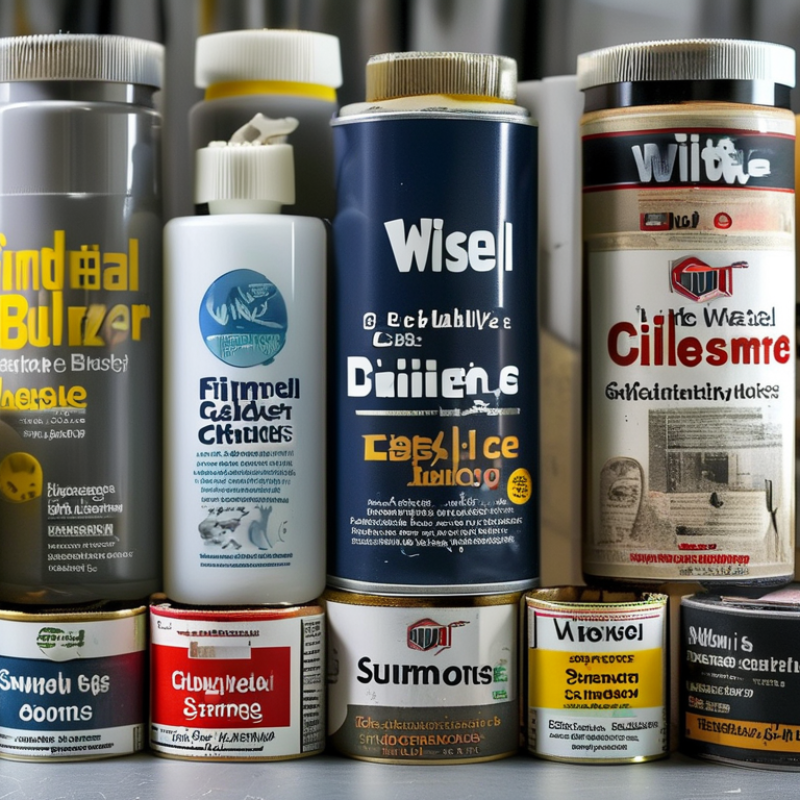
Essential Factors to Consider When Choosing Caulking Glue
When selecting caulking glue, several essential factors should be assessed to ensure a successful application. The type of material is crucial. Various surfaces, like glass, wood, or metal, may require specific formulas. Understanding the composition, whether it's silicone, acrylic, or polyurethane, can impact adhesion and flexibility. Some types cure faster than others, so consider the time frame for your project.
Another factor is the desired waterproofing capability. If the caulking will be used in areas exposed to moisture, it's vital to select a water-resistant option. For bathroom or kitchen applications, high mold resistance can further enhance durability. Evaluating the product's lifespan is also crucial. Some caulking glues might look perfect short-term but degrade quickly in harsh environments.
Pay attention to application conditions as well. Temperature and humidity can affect how well the glue adheres. Not all products perform equally under varying environmental conditions. Moreover, understanding the ease of application can save time and effort. While some caulking tools simplify the process, others may require additional skills. It's worth testing a small area first, reflecting on how it meets your expectations before committing to larger projects.
Overview of Different Types of Caulking Glue Available Worldwide
Caulking glue plays a crucial role in construction and DIY projects. Its versatility allows for sealing gaps and joints in various materials. Different types exist, tailored for specific applications worldwide. Silicone-based caulks are popular for their flexibility and durability. They perform well in wet conditions and are often used in bathrooms and kitchens. According to a report by MarketsandMarkets, the silicone sealants market is projected to reach $5.5 billion by 2025.
Acrylic latex caulk is ideal for indoor use due to its ease of application and paintability. It adheres well to wood, drywall, and masonry. However, it may shrink over time, leading to cracks that require reapplication. A study from Freedonia Group indicates that acrylic caulks may account for 40% of the total caulking sealant demand by 2024. Polyurethane caulks offer strong adhesion to a variety of surfaces and are suitable for heavy-duty applications. They cure to form a tough, resilient seal but can be challenging to apply, especially for inexperienced users.
Each type of caulking glue has its strengths and weaknesses. Buyers should consider environmental factors when making their choices. Awareness of local climate and the specific conditions of application is essential. The right caulking will depend on various factors, including substrate compatibility and flexibility requirements. Understanding these aspects can lead to more effective sealing solutions and potentially save time and money in the long run.
Top Brands and Products for Quality Caulking Glue in the Market
When exploring the caulking glue market, many top brands stand out for their quality and performance. According to industry reports, the global adhesive and sealant market size was valued at $50 billion in 2022. Notably, this segment has shown a steady growth rate of 4.7% annually. This growth reflects increasing demand across various sectors, including construction and automotive. Buyers are often drawn to brands celebrated for their performance and durability in challenging environments.
Moreover, users frequently express the need for versatile products. Many seek solutions that bond various materials while providing excellent waterproofing and resistance to mold. In a recent consumer survey, about 65% of participants reported experiencing issues with adhesion inconsistency. This highlights the importance of selecting reliable caulking glue that minimizes application mistakes. Brands known for extensive testing and formulated adhesives often result in better user satisfaction.
In terms of application, an ideal caulking glue should cure quickly while maintaining flexibility. Approximately 70% of professionals recommend adhering to product specifications to avoid issues like cracking and shrinking. Thorough evaluation of user guides can significantly impact performance outcomes. Engaging with reviews and user experiences also fosters better purchasing decisions, ultimately leading to successful projects.
Application Techniques for Using Caulking Glue Effectively
When applying caulking glue, preparation is key. Start by cleaning the surface thoroughly. Dust, grease, or old caulk can undermine adhesion. According to industry reports, nearly 30% of failed caulk applications stem from poor surface preparation. Use a putty knife or scraper to remove old material, and ensure the area is dry before applying new caulk.
Technique matters too. A steady hand is essential for a smooth application. For best results, hold the caulking gun at a 45-degree angle. Apply even pressure on the trigger. This ensures a consistent bead of caulk. Industry experts suggest practicing on a scrap surface first. This can help refine your technique.
Double-check your caulk's curing time. Each type may have different requirements, ranging from a few hours to several days. Curing is not the same as drying. Premature exposure to water can lead to issues later on. Remember, patience can pay off. Several studies indicate that proper curing increases the lifespan of caulk sealants by up to 50%.
Best Caulking Glue Options for Global Buyers
Tips for Selecting the Right Caulking Glue for Specific Projects
Choosing the right caulking glue is crucial for the success of your project. Various materials require specific types of caulking to ensure durability and an airtight seal. According to industry reports, over 70% of construction and renovation failures can be traced back to inadequate sealing. This statistic highlights the need for careful selection.
When selecting caulking glue, consider the environmental conditions. Some products may not perform well in extreme temperatures or humidity. For instance, water-based caulks may shrink in colder temperatures. Acrylic caulks are easy to apply and paint over, making them a good choice for indoor projects. On the other hand, silicone-based caulks are ideal for areas exposed to water, like kitchens and bathrooms, due to their outstanding water resistance and flexibility.
Understanding the specific requirements of your project can save time and money. Always check the manufacturer's specifications for compatibility with materials, such as wood, metal, or glass. Reading reviews and expert recommendations can further enhance your choice. A misstep in caulking selection could lead to mold growth or structural damage. By paying attention to these details, you can avoid pitfalls that could derail your project’s success.
Best Caulking Glue Options for Global Buyers
| Project Type |
Best Caulking Glue Type |
Key Features |
Drying Time |
Paintable |
Temperature Resistance |
| Bathroom Sealing |
Silicone Caulk |
Waterproof, mold-resistant |
24 hours |
No |
-60°F to 400°F |
| Window Installation |
Acrylic Latex Caulk |
Easy to apply, paintable |
1-2 hours |
Yes |
-20°F to 120°F |
| Outdoor Projects |
Polyurethane Caulk |
Strong adhesion, flexible |
48 hours |
No |
-40°F to 150°F |
| Flooring Installation |
Vinyl Caulk |
Moisture-resistant, flexible |
30 minutes |
Yes |
20°F to 120°F |
| Interior Trim |
Flexible Caulk |
Paintable, low odor |
1 hour |
Yes |
-20°F to 180°F |
FAQS
: Assess the type of material, composition, waterproofing capabilities, and lifespan.
Different surfaces like glass or wood may require specific formulas for strong adhesion.
For wet areas, selecting a water-resistant caulk is vital for durability against moisture.
Temperature and humidity can impact adhesion. Not all products perform well under varying conditions.
Some tools simplify application, while others may need extra skill. Testing a small area is beneficial.
Some glues may look good short-term but degrade in harsh conditions. Evaluate longevity before applying.
Yes, silicone, acrylic latex, and polyurethane are popular, each with their unique strengths and weaknesses.
Acrylic latex caulk is prone to shrinkage, which can cause cracks that need reapplication.
Following product specifications and reading user guides can help avoid cracking and ensure performance.
Engage with reviews and user experiences to understand what works best in various projects.
Conclusion
When selecting caulking glue, it's essential to consider various factors such as the intended application, surface materials, and environmental conditions. Caulking glue comes in several types, including silicone, latex, and polyurethane, each suited for specific uses. Buyers should familiarize themselves with these options to make informed decisions.
Top brands offer quality caulking glue, but understanding how to apply it effectively can make a significant difference in the project outcome. Proper application techniques, like surface preparation and tooling, are crucial for achieving lasting bonds. Lastly, selecting the right caulking glue for particular projects ensures durability and performance, guiding global buyers in their purchasing journey.

 Saiqiang