Choosing the best Polyurethane Bonding adhesive in China is not a simple matter of comparing price, viscosity, or brand reputation. The right product depends on the substrates, joint design, curing conditions, and expected service life. A formulation that bonds rubber to metal may fail on painted aluminum or damp concrete. Small details matter.
Dr. Robert W. Adams, a respected adhesive engineering specialist, stated, “The adhesive joint is only as strong as its weakest interface.” This principle remains highly practical for Chinese manufacturing. A dependable polyurethane adhesive should provide stable adhesion, suitable open time, controlled curing, and resistance to heat, moisture, vibration, and chemicals. Factory trials should examine peel strength, shear strength, aging performance, and application consistency. Test real parts, not only laboratory coupons.
There is no universal winner. Not really. A low-cost adhesive may reduce purchasing expenses but create rework, odor, or inconsistent bonding later. A premium product may perform exceptionally yet require accurate mixing equipment and tighter process control. Buyers should review technical data sheets, safety documentation, batch traceability, and supplier support before deciding. Independent testing adds confidence, especially for automotive, construction, furniture, and composite applications.
This article compares important polyurethane bonding options available in China. It considers performance, application difficulty, environmental durability, and total cost. Some conclusions may remain imperfect because working conditions differ between factories. That limitation deserves honesty. The best adhesive is the one that repeatedly produces a strong, durable joint under actual production conditions.
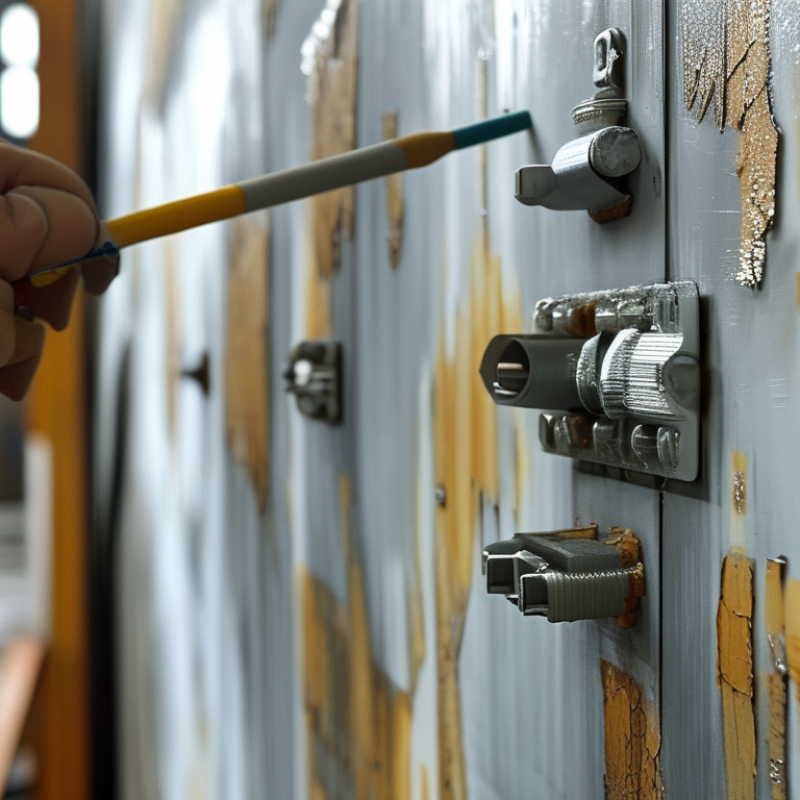
Polyurethane bonding adhesive is a polymer-based material that joins surfaces through chemical and physical interaction. It may cure with moisture, heat, or a second component. During curing, the adhesive forms a flexible network between substrates. This flexibility helps absorb vibration, impact, and thermal movement. It also supports bonding across wood, metal, plastics, composites, and insulation materials.
Its core properties are adhesion strength, elongation, moisture resistance, open time, and curing speed. A 2024 MarketsandMarkets industry report estimates that the global polyurethane adhesives market could grow from about USD 9 billion in 2023 to more than USD 12 billion by 2028. The report links this growth to construction, transportation, and assembled products. However, market growth does not prove that every formulation performs well. Surface preparation still matters. Dust, oil, and trapped moisture can weaken the bond.
In Chinese manufacturing, practical testing should include peel strength, lap-shear strength, aging, and temperature cycling. ISO 4587 is commonly used for comparative tensile-shear testing of bonded assemblies. Results depend on substrate type, adhesive thickness, pressure, and curing conditions. A thin bead may cure quickly, but it can fail when movement is high. A thicker layer may improve flexibility, yet slow curing. This trade-off is easy to underestimate. Good engineering records temperature, humidity, mixing ratio, and failure location instead of reporting strength alone.
Choosing the best polyurethane bonding adhesive in China starts with the joint, not the product label. Define the substrates, joint gap, load, and curing temperature. Metal, wood, plastic, and coated surfaces may require different surface preparation. A dusty panel can weaken even a high-performance adhesive. Clean, dry surfaces matter.
Measure the working time on your actual production line. A five-minute open time may suit manual assembly but fail during larger panel installation. Check viscosity, dispensing accuracy, cure speed, flexibility, and resistance to moisture, heat, and vibration. Request technical data sheets, safety documents, batch records, and independent test results. Reliable suppliers should explain test conditions clearly, not only show attractive strength figures. Ask for samples from several production batches. Consistency is often more valuable than one excellent sample.
Factory trials should include peel, shear, aging, and temperature-cycle tests. Test at realistic humidity, because Chinese coastal regions can expose materials to moisture. Confirm packaging stability during transport and storage. Technical support also matters when equipment needs adjustment or a surface changes. A practical evaluation may reveal small problems, such as nozzle clogging or slow curing in winter. That is useful evidence, not failure. I would also question impressive claims without substrate details. The strongest adhesive is not always the safest choice for a flexible joint or automated process.
What Is the Best Polyurethane Bonding Adhesive in China?
Leading polyurethane adhesive types serve different production needs. One-component moisture-curing polyurethane adhesives are practical for wood panels, flooring, doors, and interior components. They apply easily and need limited equipment. Two-component reactive systems offer stronger control over curing speed and bond strength. They suit sandwich panels, automotive interiors, composite parts, and demanding structural assemblies.
Hot-melt polyurethane adhesives, often called reactive PUR hot melts, bond quickly after heating. They are common in furniture edging, textile lamination, packaging, and decorative panels. Water-based polyurethane dispersions reduce solvent exposure and support flexible bonding for footwear, leather goods, and coated fabrics. The best choice depends on surface energy, moisture, temperature, and required open time. It is rarely simple.
Industry data supports this expanding application range. Grand View Research’s 2024 market analysis forecasts polyurethane adhesive demand to grow at roughly 6% annually through 2030. MarketsandMarkets also identifies construction, automotive, and packaging as major growth sectors, although its market estimates differ. That difference deserves attention. Reports use different definitions and regional coverage.
In Chinese manufacturing, experienced buyers should request technical data sheets, batch traceability, and test results. Lap-shear testing under ISO 4587 can compare bond performance, while heat-aging and humidity testing reveal hidden weaknesses. A strong initial bond may fail after repeated thermal cycling. Cure speed can also change with factory humidity. Practical trials on the real substrate remain essential, because laboratory results do not always predict production behavior.
What Is the Best Polyurethane Bonding Adhesive in China?
Evaluating Chinese polyurethane adhesive manufacturers requires more than comparing prices or catalog claims. Request technical data for viscosity, solids content, open time, curing speed, tensile strength, and peel resistance. Ask for samples from two production batches. Small differences can matter.
A reliable manufacturer should explain raw material controls, mixing procedures, and storage conditions clearly. During a factory audit, inspect sealed containers, calibrated equipment, clean filling lines, and batch records. Review the safety data sheet and quality certificates carefully. Confirm whether testing follows recognized methods, not only internal procedures. A polished presentation is not proof.
Run practical trials using the real substrates, joint thickness, pressure, and temperature. Record application behavior, odor, curing time, bond failure, and aging results. Ask how complaints are investigated and how corrective actions are documented. Export experience can help, but it does not replace independent testing. Some suppliers may provide excellent laboratory results yet struggle with consistency during busy production periods. That risk deserves attention.
Include packaging checks. A damaged cartridge or poorly sealed drum can ruin good chemistry. Discuss minimum order quantities, lead times, shelf life, and temperature-controlled transport. Keep written specifications and approved samples before regular purchasing. Supplier evaluation is never perfectly objective; test conditions, operator skill, and material variation can still distort conclusions. That is why repeat trials matter.
What Is the Best Polyurethane Bonding Adhesive in China?
The best polyurethane adhesive depends on the substrates, joint design, and service environment. A moisture-curing formula suits porous materials and simpler assembly lines. A two-component system offers faster, more controlled curing. Clean both surfaces with a suitable method, then remove dust, oil, and loose particles. Light abrasion can improve bonding on smooth metal or plastic. Apply a uniform bead, avoiding trapped air. Control adhesive thickness with spacers when possible. Small process details matter.
Performance testing should reflect real use, not only laboratory strength. Test lap shear, peel resistance, tensile strength, and failure mode. Record curing time, temperature, and humidity beside every result. Expose samples to heat, water, freeze-thaw cycles, and prolonged humidity. A strong initial bond may weaken after aging. One test setup can still miss field problems. That deserves honest review.
Safety evaluation should include the current safety data sheet, hazard labeling, ventilation needs, and worker protection. Check applicable Chinese GB/T and GB standards for chemical classification, labeling, VOC control, and workplace exposure. Wear suitable gloves and eye protection during mixing and application. Keep containers sealed and prevent uncontrolled contact with moisture. Verify substrate compatibility before production. A careful approval file should include batch records, test conditions, inspection results, and disposal procedures.
The chart presents representative lap-shear strength values for moisture-curing polyurethane adhesive samples tested under common application conditions. Testing is aligned with ISO 4587 principles using bonded substrates, controlled curing, and tensile shear loading. Dry results are typically higher than values after water immersion or heat aging. Actual performance depends on substrate preparation, adhesive thickness, curing humidity, temperature, and joint design. Application and safety practices should follow the relevant technical data sheet, ISO 4587, EN 204 where applicable, and local workplace chemical-safety requirements.
It is a polymer-based material joining surfaces through chemical and physical interaction. A flexible network forms during curing. This network absorbs vibration, impact, and thermal movement.
It can bond wood, metal, plastics, composites, and insulation materials. Results depend on surface condition and joint design. One formula may not suit every material.
It may cure through moisture, heat, or a second component. Moisture-curing types suit simpler assembly lines. Two-component systems provide faster, more controlled curing.
Remove dust, oil, loose particles, and trapped moisture. Lightly abrade smooth metal or plastic when appropriate. Clean surfaces matter greatly. Poor preparation can weaken even a strong adhesive.
Apply a uniform bead and avoid trapped air. Use spacers when possible to control thickness. A thin layer cures quickly but may resist movement poorly. A thicker layer improves flexibility but cures more slowly.
Use lap-shear, peel, tensile, aging, and temperature-cycle tests. ISO 4587 can support comparative tensile-shear testing. Test conditions should include temperature, humidity, thickness, and curing time.
Initial strength does not guarantee long-term performance. Expose samples to heat, water, humidity, and freeze-thaw cycles. Record where failure occurs. One laboratory setup may miss field problems.
Review the current safety data sheet and hazard labeling. Provide ventilation and suitable gloves and eye protection. Keep containers sealed from uncontrolled moisture. Disposal procedures also need clear records.
Include batch records, test conditions, inspection results, and disposal procedures. Record mixing ratios, temperature, humidity, and failure locations. Strength alone is not enough. That deserves honest review.
Polyurethane Bonding adhesive is a versatile solution for joining materials such as metals, plastics, wood, composites, and insulation panels. Its core advantages include strong adhesion, flexibility, impact resistance, moisture tolerance, and the ability to maintain performance under temperature changes. Choosing the best adhesive in China requires considering substrate compatibility, curing speed, working temperature, bond strength, flexibility, environmental resistance, packaging, and production requirements. Different polyurethane systems, including one-component, two-component, moisture-curing, and hot-melt types, serve different applications in construction, transportation, furniture, electronics, and industrial assembly.
When evaluating Chinese polyurethane adhesive manufacturers, buyers should review technical expertise, quality-control procedures, production consistency, testing capabilities, customization services, documentation, and after-sales support. Proper application also depends on surface preparation, accurate mixing when required, suitable coating thickness, controlled curing conditions, and safe handling. Performance should be verified through tests for tensile strength, peel resistance, aging, water exposure, temperature stability, and durability. Compliance with relevant safety and environmental standards further helps ensure reliable use in both domestic and international projects.

Saiqiang