When it comes to seeking the best in comfort and protection, Polyurethane Padding stands out as a top choice. This versatile material is famed for its exceptional quality and durability. It finds applications in a variety of industries, from furniture to automotive. Polyurethane Padding adapts well to different needs, offering both support and resilience.
Many manufacturers in China now produce this material, emphasizing its reliability. These products cater to diverse consumer demands. However, not all polyurethane padding is created equal. It's crucial for buyers to understand what qualities to look for. Factors such as density, thickness, and resilience play a vital role in the overall performance.
In navigating the market, one must also be cautious of misleading claims. Authenticity and performance might vary greatly among manufacturers. Investing in quality polyurethane padding can enhance comfort and extend the longevity of your products. As consumers become more discerning, the challenge remains: how to identify the best options that fulfill both quality and durability?
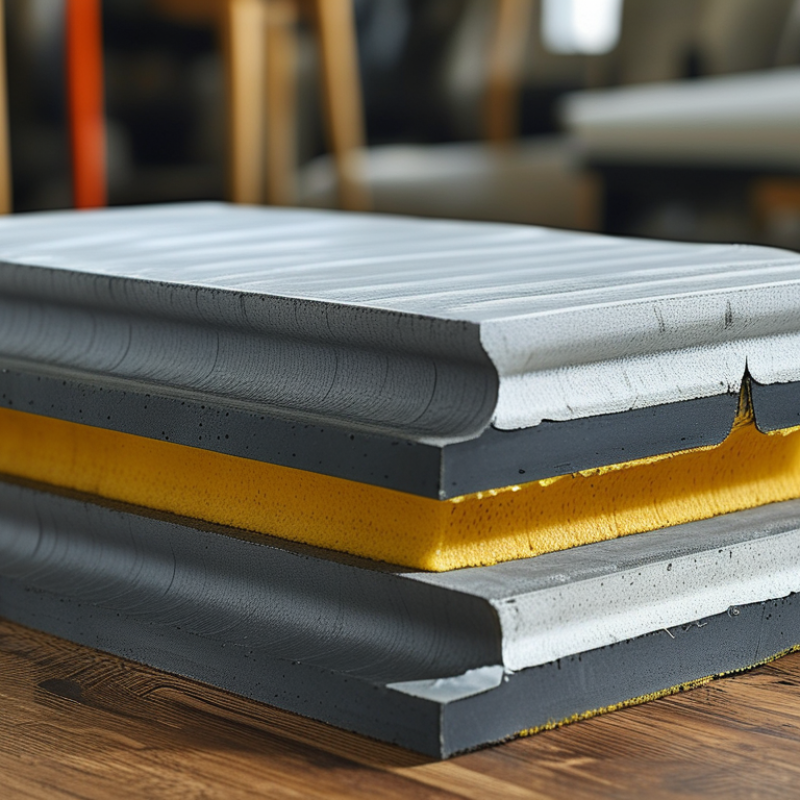
Polyurethane padding has gained significant traction in various industries in China. It is favored for its exceptional durability and versatility. Recent industry reports indicate that the Chinese polyurethane market is expected to grow by 8% annually, reaching a value of $25 billion by 2025. This growth is largely driven by its applications in furniture, automotive, and construction sectors.
The qualities of polyurethane padding stand out. Its ability to withstand wear, resist moisture, and offer comfort makes it a preferred choice. For instance, a study found that polyurethane padding retains over 90% of its original form after long-term use. However, not all manufacturers adhere to the highest standards. Some products may lack the resilience and safety certifications required. This inconsistency can lead to questions about the reliability of certain materials on the market.
Despite its advantages, there are challenges. Polyurethane production processes can lead to environmental concerns. A report highlighted that over 30% of polyurethane waste is often not properly disposed of. This raises questions about sustainability in the industry. Continuous evaluation of manufacturing practices is crucial as the demand for quality products increases. Addressing these concerns can enhance overall trust in polyurethane padding from China.
| Category | Density (kg/m³) | Elongation (%) | Tensile Strength (kPa) | Durability (Cycles) |
|---|---|---|---|---|
| Flexible Foam | 25 | 150 | 200 | 50000 |
| High Resilience Foam | 35 | 200 | 250 | 70000 |
| Memory Foam | 28 | 180 | 220 | 55000 |
| Cold Cure Foam | 40 | 220 | 300 | 80000 |
| Viscoelastic Foam | 33 | 190 | 240 | 60000 |
: Polyurethane padding is widely used in automotive, furniture, and sports industries.
It is durable, moisture-resistant, and comfortable. These qualities make it a preferred choice.
Studies show it retains over 90% of its form after long-term use, but quality varies by manufacturer.
Yes, over 30% of polyurethane waste is improperly disposed of, raising sustainability issues.
Raw material quality and environmental conditions influence durability significantly.
Consumers should seek information about manufacturing processes and testing methods from manufacturers.
Yes, it absorbs impact effectively, potentially reducing injuries by nearly 20% during accidents.
Some manufacturers may cut costs, leading to inferior products lacking resilience and safety certifications.
They can last 10-15 years longer than traditional materials, but environmental impacts must be considered.
Testing can vary, from lab conditions to real-world usage, highlighting the need for manufacturer transparency.
Polyurethane Padding has gained significant attention in China due to its exceptional quality and durability in various applications. This article provides an overview of the characteristics that define high-quality polyurethane padding, emphasizing its resilience and versatility. A comparative analysis highlights how different polyurethane products stand up to wear and tear, demonstrating their longevity and performance across industries.
The applications of polyurethane padding span multiple sectors, including furniture, automotive, and construction, showcasing its adaptability and effectiveness. Key factors influencing the quality of polyurethane padding are also discussed, such as manufacturing processes and raw material selection, which are crucial in determining the end product's overall performance. This comprehensive examination underscores the importance of selecting high-quality polyurethane padding to meet diverse industrial needs.

 Saiqiang