How to Choose the Best Waterproof Silicone for Your Needs?

Time:2026-06-10 Author:Isabella
0%

Choosing the right Waterproof Silicone can be challenging. With so many options available, it’s easy to feel overwhelmed. According to Dr. Emily Carter, a leading expert in waterproof materials, “Not all waterproof silicones are created equal.” Her insight highlights the importance of understanding your specific needs.

Various factors influence the selection of Waterproof Silicone. These include the intended use, environmental conditions, and budget constraints. For example, some products work better in extreme temperatures, while others excel in humidity. Choosing the wrong type can lead to unexpected failures.

Reflecting on your requirements is critical. Assess whether the silicone is for home repairs, outdoor projects, or industrial applications. A decision made in haste might result in costly mistakes or repairs. As Dr. Carter suggests, take the time to evaluate your options. A thoughtful choice will ensure that the Waterproof Silicone meets your expectations and performs reliably over time.
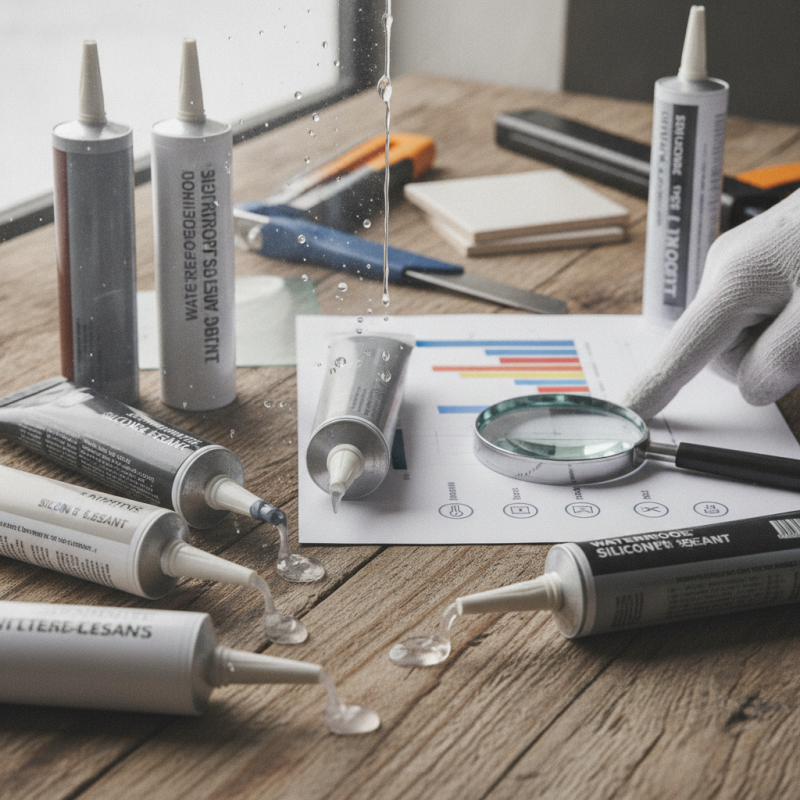
How to Choose the Best Waterproof Silicone for Your Needs?

Understanding Waterproof Silicone: Types and Characteristics

When choosing waterproof silicone, understanding the various types is crucial. There are generally two main types: silicone sealants and silicone adhesives. Sealants are flexible and ideal for sealing gaps. They are water-resistant and work well in areas exposed to moisture. On the other hand, silicone adhesives provide a stronger bond and are often used in construction and assembly. Their ability to withstand water makes them suitable for outdoor applications.

Different waterproof silicone products have unique characteristics. Some are designed for high-temperature environments, while others cater to low-temperature usage. When selecting a product, consider its curing time and how it adheres to different materials. It’s important to check for certifications that indicate durability and effectiveness. These details can impact the performance of the silicone in your project.

Tips: Always test the silicone in a small area first. This helps ensure compatibility with your materials. Consider the environment where the silicone will be used. Will it face UV rays or extreme weather? Make notes of the performance and any issues. Reflect on what works best in your specific situation. This practice can save time and prevent future headaches.

Evaluating Aspects: Flexibility, Durability, and Application

When selecting waterproof silicone, consider key aspects like flexibility, durability, and application. Flexibility is essential for projects that require movement. It allows the silicone to adapt without losing its seal. This is especially important in dynamic environments, such as outdoor applications or vehicles. Look for products that retain their elasticity over time. Rigid types can crack, leading to leaks and failures.

Durability plays a crucial role in ensuring long-lasting performance. A high-quality waterproof silicone should withstand extreme temperatures and harsh weather conditions. Assess the conditions your silicone will face. Exposure to UV rays can degrade some products. An ideal option will resist degradation and maintain integrity. Conduct research to find materials that suit your environment.

Application is another aspect that greatly influences your choice. Different projects may require specific characteristics from silicone. For instance, bonding strength might be crucial for heavy-duty repairs. Certain silicones are designed for high adhesion, while others excel in sealing. It’s necessary to match silicone properties with your project’s requirements. Sometimes, what seems perfect in theory may not perform well in practice. Testing small samples can reveal unexpected limitations in real-world conditions.

Identifying Your Project Needs: Indoor vs. Outdoor Usage

When choosing waterproof silicone, understanding your project’s environment is crucial. Indoor and outdoor applications have different demands. Indoor use may involve surfaces like bathrooms or kitchens. These areas require mold resistance and low odor. Outdoors, harsh weather elements come into play. UV rays, rain, and temperature fluctuations can impact your silicone choice.

Consider the specific conditions. Indoor silicone must adhere well to tile and glass. It should resist moisture but not necessarily UV rays. For outdoor tasks, select silicone formulates to withstand UV exposure and extreme temperatures. Look for durability. Some products may boast waterproof features but lack stability in intense sunlight. Real-world testing may expose weaknesses.

Reflect on your long-term needs. An ideal product today might not serve you well tomorrow. Review your project's environment and potential wear and tear. Talk to professionals who use various silicone types. They can provide insights based on experience. Making an informed choice today can save you time and money in the future.

How to Choose the Best Waterproof Silicone for Your Needs?

Project Type Usage Environment Recommended Silicone Type Curing Time Color Options
Bathroom Fixtures Indoor Acetic Cure Silicone 24 hours Clear, White, Almond
Windows & Doors Indoor/Outdoor Neutral Cure Silicone 48 hours Clear, Brown, Grey
Pools & Spas Outdoor Marine Silicone 72 hours Blue, Black, Clear
Automotive Sealing Outdoor High-Temperature Silicone 24 hours Red, Black, Grey
Kitchen Countertops Indoor Food-Safe Silicone 24 hours Clear, White

Key Features to Look For: Adhesion, Curing Time, and Color Options

When choosing the right waterproof silicone, several key features come into play. Adhesion is crucial for any sealing or construction project. A high-quality silicone should bond effectively to various surfaces like wood, metal, and glass. Look for products labeled as all-purpose. They often exhibit strong adhesion and versatility, which is important for many applications.

Another essential factor is curing time. It varies across different silicones. Some products cure quickly, allowing for immediate use, while others require more time. Understanding your project timeline helps make an informed choice. Quick-curing options can save time, but sometimes longer cure times enhance performance.

Color options also matter for aesthetic purposes. Many silicones come in standard colors, but custom colors are also available. For visible applications, matching the silicone to your surface color creates a seamless look. Evaluate your project's requirements closely. There's always a balance to be struck between function and appearance. Choosing wisely can make all the difference.

Tips for Proper Application and Maintenance of Waterproof Silicone

When applying waterproof silicone, surface preparation is crucial. Clean the area thoroughly. Remove any dust, grease, or old sealant. Use isopropyl alcohol for best results. Dry the surface completely before application. A clean surface ensures better adhesion and durability.

Proper application technique matters. Apply silicone evenly. Use a caulking gun for precision. Use your finger to smooth the silicone after application. This step can help avoid unsightly blobs. Don’t rush; a steady hand leads to a more professional finish.

Regular maintenance is essential to prolong the lifespan of your waterproof silicone. Check for cracks or peeling regularly. If you see any imperfections, address them promptly. Minor repairs can save you from major leaks later. Remember, even the best silicone may need occasional touch-ups.

Waterproof Silicone Types and Their Applications

FAQS

: What are the main types of waterproof silicone?

: The main types are silicone sealants and silicone adhesives. Sealants are flexible and water-resistant. They are ideal for sealing gaps.

How do I choose the right waterproof silicone?

Consider flexibility, durability, and application. Each project may have unique needs requiring different silicone properties.

Why is flexibility important in waterproof silicone?

Flexibility allows the silicone to adapt to movement. This prevents leaks in dynamic environments, like outdoor applications or vehicles.

How can I ensure durability in waterproof silicone?

Look for silicone that withstands extreme temperatures and harsh weather. Assess the conditions it will face before selecting a product.

What should I do before applying waterproof silicone?

Clean the surface thoroughly. Remove dust, grease, and old sealant. Use isopropyl alcohol to ensure better adhesion.

What techniques should I use for applying silicone?

Apply it evenly with a caulking gun. Use your finger to smooth it out afterward. Take your time for a cleaner finish.

How often should I check my silicone for maintenance?

Regular checks for cracks or peeling are essential. Promptly address any issues to prevent bigger leaks later on.

Can all silicone withstand UV exposure?

No, some silicones may degrade when exposed to UV rays. Research products that resist degradation based on your environment.

Is it necessary to test silicone before full application?

Yes, testing small samples can help identify unexpected limitations. It’s a useful practice to ensure proper performance.

What might I overlook when choosing waterproof silicone?

Sometimes, what looks good on paper may not work as expected in real life. Reflection and testing can help clarify choices.

Conclusion

When selecting the best waterproof silicone for your specific needs, it's essential to understand the various types and their characteristics. Waterproof silicone products can vary significantly in flexibility, durability, and application methods. By evaluating these aspects, you can identify whether your project requires materials suited for indoor or outdoor use, ensuring optimal longevity and performance.

Key features to consider include adhesion strength, curing time, and available color options to match your aesthetic preferences. Proper application techniques and ongoing maintenance practices are also crucial to maximizing the effectiveness of waterproof silicone. Whether you’re sealing windows, tiles, or other surfaces, choosing the right product will help protect against water damage and enhance the durability of your work.


Isabella

Isabella

Isabella is a dedicated marketing professional with a sharp focus on driving brand growth and engagement through strategic content creation. With an extensive background in digital marketing, she combines her passion for storytelling with her keen understanding of industry trends to deliver......