China Top Silicone Sealant Suppliers How to Choose?

Time:2026-09-30 Author:Mason
0%

Choosing a dependable Silicone Sealant supplier in China takes more than comparing prices online. Buyers need to match the product to its actual use, such as window glazing, bathroom joints, façade movement, or industrial assembly. Each application may require different adhesion, flexibility, curing behavior, and weather resistance. Small details matter.

A careful supplier review starts with clear technical documents, consistent product identification, and answers that address your application. Ask for current data sheets, safety information, batch traceability, and samples for practical testing. Check how the supplier handles quality control, packaging, lead times, and after-sales questions. A neat catalogue is useful, but it cannot prove that every batch performs as expected. Test the product under conditions close to the job whenever possible.

Look beyond the quoted unit cost. Packaging, shipping, storage life, technical support, and communication can affect the real value of an order. Request specific answers about curing time, substrate preparation, and recommended application conditions. If claims sound broad, ask what evidence supports them. There is no perfect checklist, and a promising sample does not guarantee future consistency. That uncertainty deserves attention. Comparing suppliers with the same criteria can help narrow the field without relying on sales language alone. This guide explores practical ways to assess Chinese suppliers and choose a partner whose products and service fit your project.
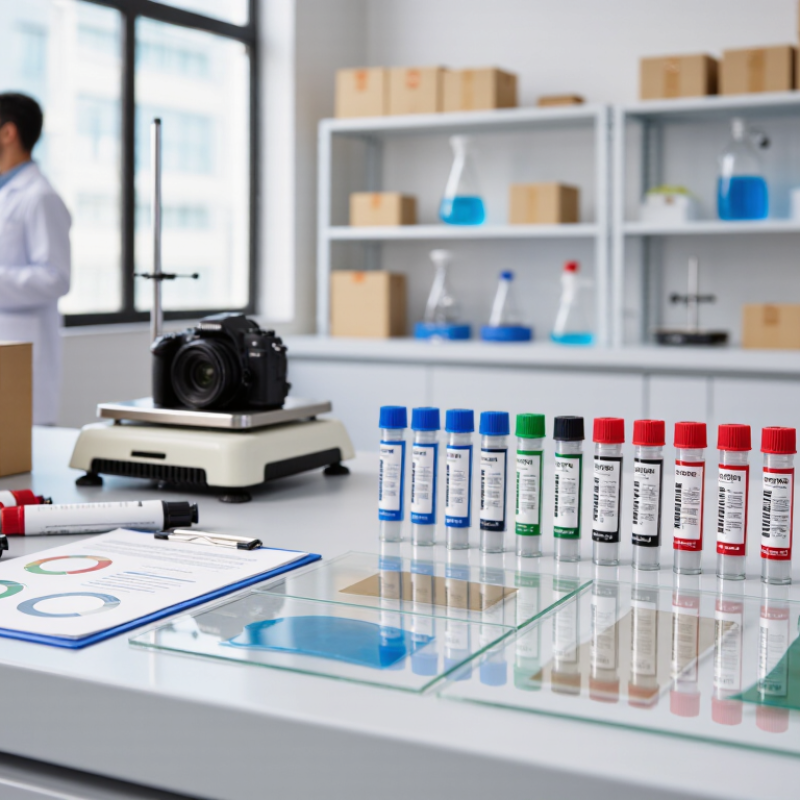
China Top Silicone Sealant Suppliers How to Choose?

What Silicone Sealants Are and Where They Are Used

Silicone sealant is a flexible material used to close gaps and keep out air, water, and dust. It cures when exposed to moisture, forming a rubber-like bead that can move slightly as surfaces expand or contract. That flexibility makes it useful around window frames, bathroom fixtures, glass panels, and some building joints. It is not a universal adhesive, though. A sealant may resist water but still fail to bond well to a particular surface.

In homes, silicone sealant is commonly applied along sinks, showers, and countertop edges. In construction, suitable formulations can seal glazing joints, exterior cladding, and movement joints. A neat bead matters. On a bathroom edge, for example, clean, dry surfaces and steady pressure help create a continuous seal instead of thin gaps. Preparation is easy to underestimate. Dust, old sealant, or trapped moisture can weaken adhesion, even when the finished line looks smooth.

Choosing a type depends on the substrate, exposure, and movement expected at the joint. Glass and ceramic are different from painted wood or some plastics, so check the product’s technical data for compatibility and curing conditions. Also consider whether the area needs resistance to mold or outdoor weather. Details matter. I have seen a tidy-looking bead peel at one corner because the surface was not prepared well; appearance alone is not proof of performance.

Which Types of Silicone Sealant Do Suppliers Offer?

Silicone sealant suppliers commonly offer acetoxy, neutral-cure, sanitary, and structural products. Acetoxy sealant releases a vinegar-like odor while curing. It suits many glass and ceramic joints, but may not be appropriate for sensitive metals or some stone surfaces. Neutral-cure options usually have a milder odor and can work with a wider range of materials. Check the product data sheet before applying them.

Sanitary silicone often contains additives intended to resist mildew in damp areas, such as shower corners and sink edges. Structural silicone is designed for specified glazing or bonding applications and requires careful substrate preparation. Suppliers may also carry high-temperature, weatherproof, or low-modulus grades. These are not interchangeable. A sealant that performs well on a bathroom joint may fail on an exterior façade exposed to movement and strong sunlight. Choosing by color or price alone is an easy mistake.

Tips: Tell the supplier the exact materials, joint width, exposure, and expected movement. Ask for the technical data sheet and confirm cure time, application temperature, and compatibility. A small test patch can reveal staining or poor adhesion. It takes extra time, but skipping it can be costly. Even experienced buyers sometimes overlook surface contamination. Clean, dry substrates matter.

China Top Silicone Sealant Suppliers: Which Types Do They Offer?

Representative skin-over time ranges for commonly supplied silicone sealant technologies

Acetoxy-cure silicone usually skins over quickly and is widely used for glass, ceramic, and general sealing. Oxime and alkoxy neutral-cure products are commonly selected for metal, coated surfaces, concrete, and sensitive substrates because they release less corrosive by-products. Actual curing speed varies with temperature, humidity, joint depth, formulation, and packaging, so suppliers should confirm technical data before selection.

How to Assess a Supplier’s Quality and Production Capacity

When choosing a silicone sealant supplier, inspect quality systems before reviewing price. Grand View Research reported that the global silicone market reached about USD 18.57 billion in 2022. Such growth attracts capable producers, but also weaker factories. Ask for ISO 9001 certification, batch records, and documented corrective actions. A certificate alone proves little.

Request recent test reports for adhesion, hardness, tensile strength, elongation, and movement capability. ASTM C920 is a useful reference for elastomeric joint sealants. Check whether testing covers the actual product grade, not a similar sample. Review cure speed at 23°C and 50% relative humidity. Small differences can affect installation schedules. Ask for accelerated aging results and storage-life data. Do not accept vague claims like “weather resistant.”

Production capacity needs physical evidence.

Request monthly output, mixer sizes, filling-line speed, warehouse conditions, and average order lead time. A supplier claiming 1,000 tonnes monthly should explain equipment and shift patterns. MarketsandMarkets has identified construction as a major demand area for silicone materials, increasing pressure on delivery consistency. Verify capacity through production records and a live factory audit. One overlooked detail is backup power. A short outage can disrupt moisture-sensitive materials.

Quality control should continue after filling. Select random cartridges from separate batches and compare viscosity, color, skin formation, and package weight. Keep retained samples for future investigation. I would also request a small trial order. It costs time, but exposes problems earlier. Perfect documentation is impossible; unexplained gaps deserve attention.

How to Compare Certifications, Pricing, and Delivery Terms

Choosing among China’s top silicone sealant suppliers requires more than comparing a quotation. MarketsandMarkets’ 2023 Silicone Sealants Market report projects growth from about USD 5.1 billion in 2022 to USD 7.0 billion by 2027. Rising demand makes quality checks more important. Ask whether ISO 9001 covers the actual production site, not only the trading office. The ISO Survey 2022 recorded over 1.26 million ISO 9001 certificates worldwide, so certification alone proves little.

Product approval needs closer inspection. Request current test reports for standards such as ASTM C920 or EN 15651. Check the tested grade, color, batch, and application. A certificate for one formulation should not cover every product. I have seen buyers miss this detail. That mistake can become visible around a window frame after winter.

Compare pricing on a delivered-cost sheet. Include cartridge size, carton strength, minimum order quantity, tooling, inspection, duties, and payment charges. A low unit price can hide expensive packaging or incomplete testing. Delivery terms must also be specific. Under Incoterms 2020, clarify whether the price is EXW, FOB, CIF, or DDP, and identify the named port. Record production time separately from ocean transit. The World Bank’s Logistics Performance Index 2023 shows that logistics reliability differs significantly between markets, so promised dates need evidence. Request the last three shipment records, an agreed inspection point, and compensation terms for late delivery. Even then, forecasts remain imperfect. Weather, port congestion, and hazardous-material classification can change schedules.

How to Verify Samples and Select the Right Supplier

Grand View Research estimated the global sealants market at USD 11.58 billion in 2023, with construction the largest end-use segment. That scale makes sample checks more than a formality. Ask suppliers for fresh, sealed samples and technical data sheets showing cure time, hardness, and movement capability.

Compare each sample on the same substrates, such as glass and aluminum. Apply consistent bead sizes, then check adhesion and curing under recorded temperature and humidity.

Small details matter.

Use ASTM C920 movement classes or ISO 11600 classifications to compare products against the joint’s expected movement. A label alone is not proof; request test reports tied to the exact formulation and batch.

Check whether the report names the testing method, conditioning period, and substrate. Keep a dated sample for your own repeat test. Real samples can disappoint.

A supplier should explain differences between sample results and production batches, and provide batch traceability and a clear process for handling nonconforming goods. If answers stay vague, pause before placing a large order. Shortlist suppliers that share verifiable documents and respond consistently.

FAQS

What is silicone sealant used for?

Silicone sealant closes gaps and blocks air, water, and dust. It forms a flexible, rubber-like bead after curing. Common areas include sinks, showers, windows, glass panels, and building joints.

Is silicone sealant a universal adhesive?

No, it is not. It may resist water but bond poorly to certain surfaces. Check compatibility with glass, ceramic, painted wood, aluminum, and plastics. A smooth bead can still fail.

How should a surface be prepared before application?

Remove dust, old sealant, grease, and trapped moisture. The surface should be clean and dry. Apply steady pressure for a continuous bead. Preparation is easy to underestimate.

How can buyers compare different sealant types?

Consider the substrate, weather exposure, mold resistance, and joint movement. Glass and ceramic need different checks from painted wood or plastic. Review technical data for curing conditions. Details matter.

Which documents should a supplier provide?

Request current technical data sheets and test reports. Check curing time, hardness, movement capability, and application limits. Certification should cover the actual production site. A certificate alone proves little.

How should sealant samples be tested?

Request fresh, sealed samples with clear batch information. Apply equal bead sizes to glass and aluminum. Record temperature, humidity, curing time, and adhesion results. Keep one dated sample. Repeat the test later.

What costs should be included when comparing prices?

Use a delivered-cost sheet rather than comparing unit prices alone. Include cartridge size, packaging, minimum order quantity, inspections, duties, and payment charges. Cheap packaging can create later problems. That is often missed.

How can delivery terms be checked carefully?

Confirm the selected trade term, named port, production time, and ocean transit separately. Request recent shipment records and written inspection arrangements. Agree on reasonable compensation for late delivery. Forecasts remain imperfect.

Conclusion

Choosing the right China Silicone Sealant supplier requires more than comparing product prices. Silicone Sealant is a flexible, durable material used for sealing and bonding in construction, glazing, bathrooms, kitchens, industrial assembly, and other applications. Suppliers may offer different formulations, including general-purpose, sanitary, weather-resistant, structural, high-temperature, and specialized sealants. Buyers should match the product type to the required performance, substrate, curing conditions, and environmental exposure.

To assess a supplier, review its production capacity, quality-control procedures, technical support, and consistency between batches. Certifications, test reports, packaging details, minimum order quantities, pricing, payment terms, lead times, and delivery arrangements should also be compared carefully. Before making a final decision, request samples and technical documents, then test adhesion, curing speed, flexibility, appearance, and durability under realistic conditions. A reliable supplier should communicate clearly, provide transparent specifications, support sample evaluation, and demonstrate the ability to deliver stable quality on schedule.

Mason

Mason

Mason is a seasoned marketing professional with a deep expertise in the company's offerings and a passion for driving brand awareness. With a strong background in digital marketing strategies, he has an innate ability to connect with diverse audiences and effectively communicate product benefits.......