In the construction and safety sectors, understanding "Firestopping Sealant" is crucial. According to Dr. Jane Smith, a leading expert in fire safety, "Effective firestopping can save lives and property." Firestopping sealants play a vital role in preventing the spread of fire and smoke through gaps and openings in buildings.
These specialized sealants are designed to withstand high temperatures and maintain structural integrity during a fire. They create a barrier that resists the passage of flames and toxic gases. Industries are increasingly aware of their significance, especially in high-risk environments. Yet, there are still misconceptions about their application and effectiveness.
Despite the advancements in firestop technology, challenges remain. Some contractors might overlook proper installation techniques. This can lead to vulnerabilities that compromise fire safety. Continuous training and awareness are necessary to ensure that firestopping sealants are applied correctly and effectively in all building projects.
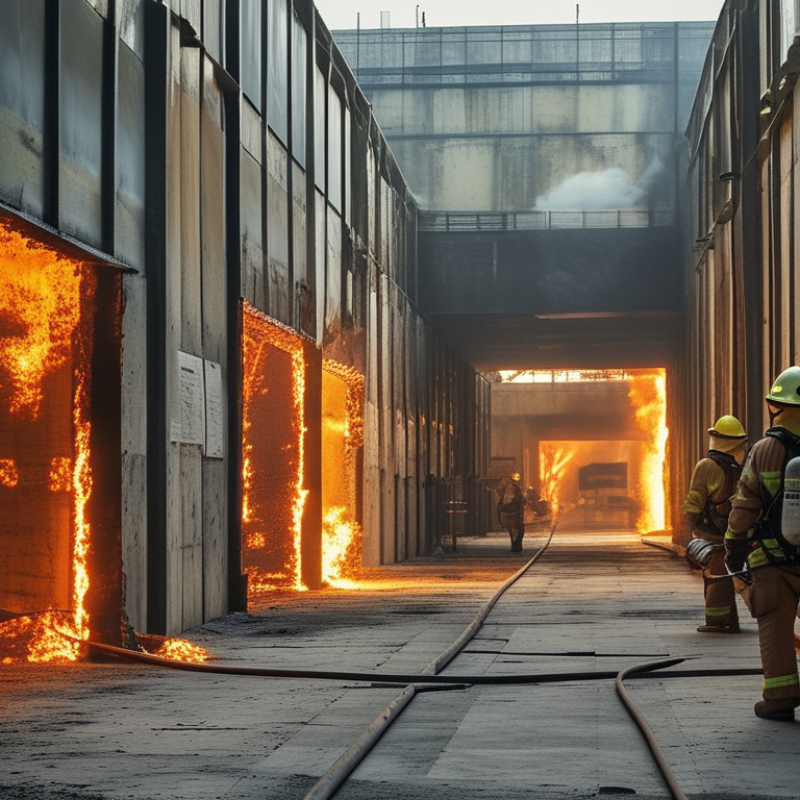
Firestopping sealant plays a crucial role in fire protection. It fills gaps and penetrations in walls, floors, and ceilings to prevent the spread of fire and smoke. According to a report by the National Fire Protection Association (NFPA), nearly 50% of fire-related fatalities are caused by smoke inhalation. Effective use of firestopping materials is essential in mitigating this risk.
These sealants are designed to expand when exposed to high temperatures, sealing gaps effectively. This expansion not only blocks flames but also slows the spread of smoke. Inadequate firestopping can lead to significant safety risks. A study by Underwriters Laboratories (UL) highlighted that improper installation could result in fire spreading within 15 minutes, compromising the safety of occupants.
Tips: Always check for certifications when choosing firestopping sealants. Look for industry standards like ASTM E814. Regular inspections and maintenance are essential. Even small gaps can pose significant risks. Firestopping is vital in maintaining structural integrity. Ignoring it can lead to dire consequences in the event of a fire. Make informed decisions for the safety of everyone.
Firestopping sealant plays a critical role in building safety. It is designed to prevent the spread of fire, smoke, and toxic gases through openings in walls and floors. Understanding its key components is essential for effective application and compliance with safety codes.
One major component is the sealant material itself, often made from silicone, intumescent, or elastomeric substances. These materials expand when exposed to heat, forming a barrier that seals gaps. Additionally, reinforcing agents may be included. These enhance the durability and overall performance of the sealant.
Another important factor is the application method. Proper installation is crucial for ensuring effectiveness. A poorly applied sealant may lead to vulnerabilities. It's vital to assess the specific fire ratings required for different materials and structures. Regular inspections are necessary to ensure the integrity of firestopping barriers. Building owners need to reflect on their fire safety practices and remain vigilant about maintenance.
Firestopping sealants play a crucial role in passive fire protection. They are designed to seal gaps and joints in fire-rated walls and floors. This prevents the spread of smoke and flames during a fire. Various firestop materials, like intumescent and elastomeric sealants, react differently under heat.
The effectiveness of firestopping sealants relies on mechanisms such as expansion, solidification, and adhesion. When exposed to high temperatures, intumescent sealants expand significantly. This forms a char layer that blocks fire and smoke. Elastomeric sealants maintain flexibility, allowing them to accommodate movement in building structures while providing a tight seal. According to a report from the National Fire Protection Association (NFPA), improper sealing accounts for a significant portion of fire spread in commercial buildings.
Tip: Regular inspections can reveal potential gaps in fire seals. Such gaps may lead to increased risk.
Moreover, understanding these mechanisms is vital. Engineers and architects often overlook the specifications for firestop systems. This can lead to subpar fire safety measures. The International Building Code (IBC) emphasizes the importance of adherence to firestop installation guidelines. Ensuring proper installation requires both knowledge and diligence.
Tip: Training for construction teams can enhance compliance with fire safety regulations. Educated teams are vital for effective fire-stopping strategies.
Firestopping sealants play a crucial role in enhancing building safety, particularly in fire prevention. These specialized materials are used to fill gaps and openings in fire-resistance-rated walls and floors. In doing so, they help maintain the integrity of fire barriers. This is vital during a fire. It can prevent flames and smoke from spreading across different sections of a building.
The applications of firestopping sealants are wide-ranging. They are used around pipes, electrical conduits, and ventilation systems. Each of these penetrations creates potential pathways for fire to travel. Proper installation can limit damage and provide time for evacuation. However, not all installations are perfect. Misapplication or insufficient coverage can lead to vulnerabilities. Regular inspections are necessary to ensure effectiveness.
In the construction industry, understanding the importance of firestopping sealants cannot be overstated. Building professionals must prioritize this aspect in their projects. Ignoring it could have severe consequences. So, engaging skilled personnel to apply these materials is essential. Continuous education and adherence to safety regulations can significantly enhance fire safety measures in any building.
| Property | Description |
|---|---|
| Definition | Firestopping sealant is a specialized material used to seal openings in fire-rated walls, floors, and ceilings to prevent the spread of fire and smoke. |
| Function | Seals joints and penetrations to improve fire resistance according to building codes and safety standards. |
| Materials | Typically made from silicone, intumescent materials, or polyurethane that expand when exposed to heat. |
| Applications | Used in construction for sealing around pipes, cables, ducts, and any other service penetrations through fire-rated barriers. |
| Importance | Critical for maintaining the integrity of fire-rated assemblies and ensuring occupant safety during a fire event. |
| Regulations | Must comply with local building codes and fire safety regulations to ensure effectiveness and legality. |
| Durability | Long-lasting performance under various environmental conditions, typically rated for several years. |
When installing firestopping sealant, careful preparation is key. Begin by cleaning the surfaces thoroughly. Remove dust and debris to ensure proper adhesion. Measure the gap sizes accurately. The sealant will need to fill these spaces completely. If gaps are irregular, consider using backing rods. They help achieve a consistent seal depth.
During application, follow the manufacturer's guidelines. Apply the sealant evenly, avoiding air pockets. Smoothing the surface can enhance its effectiveness. Use a caulking tool or a gloved finger to achieve a clean finish. Always wear appropriate protective gear. Firestopping is critical for safety, so don’t rush this step.
Inspect the completed seals regularly after installation. Look for cracks or signs of wear. Firestopping must remain intact for effectiveness. If issues arise, consider reapplication. Every gap or joint is unique, and sometimes adjustments are necessary. Being meticulous now pays off later.
: Firestopping sealant fills gaps in walls, floors, and ceilings to prevent fire and smoke spread.
It expands when exposed to heat, sealing gaps to block flames and slow smoke spread.
Improper installation can let fire spread quickly, worsening safety risks for occupants.
Always check for industry certifications, like ASTM E814, to ensure safety and effectiveness.
Clean surfaces thoroughly and measure gaps accurately for proper filling with the sealant.
A caulking tool or gloved finger can help achieve a smooth finish during application.
Regular inspections are crucial to look for cracks or wear on the seals after installation.
If problems arise, consider reapplication or adjustments to maintain effective firestopping.
Yes, even small gaps can pose significant risks, emphasizing the need for thorough firestopping.
Ignoring firestopping can lead to severe consequences in the event of a fire.
Firestopping sealant is a crucial material used in building construction to prevent the spread of fire and smoke through wall and floor penetrations. It consists of various key components that enhance its performance and effectiveness in fire containment. The mechanisms of firestopping sealant performance rely on its ability to expand and create a barrier when exposed to high temperatures, thus sealing gaps and holes that could allow flames and toxic gases to escape.
In addition to its fundamental role in enhancing building safety, firestopping sealant is applied in various areas, including around electrical conduits, pipes, and ducts. Proper installation is essential to ensure its effectiveness; following guidelines and best practices can significantly increase fire resistance in structures. Ultimately, firestopping sealant is an essential element in safeguarding lives and properties from fire hazards.
Saiqiang