When tackling home improvement projects, selecting the right materials is crucial. "Heat Resistant Caulk" is a game-changer for those who need durable sealing solutions. Experts recommend using this specialized caulk around areas exposed to high temperatures, such as kitchens and fireplaces. For instance, John Smith, a well-known expert in building materials, once said, "Using the right caulk can make or break your project.”
Heat Resistant Caulk not only withstands extreme temperatures but also resists moisture and mildew. This makes it ideal for sealing gaps that can expose homes to temperature fluctuations. Regular caulks may fail or degrade under heat, leading to costly repairs. Choosing Heat Resistant Caulk provides peace of mind.
Many DIY enthusiasts overlook the importance of using appropriate materials. This oversight can lead to failures in their projects. Investing in Heat Resistant Caulk ensures longevity and reliability in critical areas. A little reflection on your choice of materials can save lots of trouble later on.
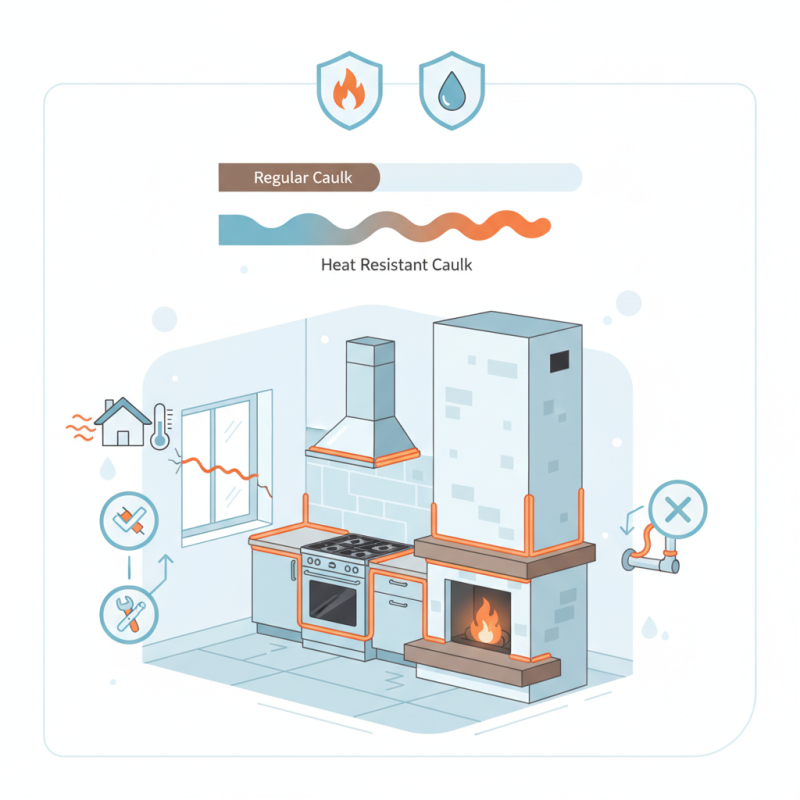
Heat resistant caulk is essential for various projects. It's designed to withstand high temperatures, making it perfect for kitchens and fireplaces. This type of caulk can protect against heat damage. Regular caulk may crack or fail under extreme conditions, leading to costly repairs.
In constructions involving ovens or stovetops, heat resistant caulk ensures no gaps for heat to escape. It seals gaps effectively, enhancing energy efficiency. Additionally, it can also prevent dangerous fumes from leaking into living spaces. In outdoor applications, this caulk resists weathering and provides longevity.
Using heat resistant caulk requires careful application. Surfaces must be clean and dry for optimal adhesion. Sometimes bubbles can form, causing weak seals; attention during application is crucial. Learning to apply it takes practice and patience. Not every project will go perfectly the first time. Embrace the learning process to master this skill.
Heat resistant caulk is essential for projects exposed to high temperatures. Its unique composition sets it apart from regular caulk. Typically made from silicone or polyurethane, heat resistant caulk can withstand extreme heat and prevent cracking or melting. This durability ensures a long-lasting seal in areas like kitchens and fireplaces.
When choosing heat resistant caulk, consider its temperature rating. Some products can endure temperatures over 500°F, making them ideal for ovens or stovetops. Always check the manufacturer's specifications for the best performance.
Tip: Apply caulk in a well-ventilated area to allow the chemicals to cure properly. It's also important to clean the surfaces thoroughly before application. Removing dust and grease helps achieve a better bond.
Remember, not all heat resistant caulks are created equal. Some may not adhere well to specific materials or may require special application techniques. Test a small area first to see how it holds up. Your project’s needs may require more than just a generic solution.
Heat resistant caulk is an essential component for many construction and repair projects. Its key characteristics make it suitable for high-temperature applications. One of the primary benefits is its ability to withstand temperatures up to 500°F (260°C). This is crucial in areas like around fireplaces, stoves, and ducts. An industry report indicates that caulks with high-temperature tolerance can extend the lifespan of your projects significantly.
Another important property of heat resistant caulk is its flexibility. Unlike standard caulks, heat resistant variants can maintain their integrity under thermal expansion and contraction. This prevents cracking or peeling, ensuring optimal sealing. According to recent data, the average lifespan of high-quality heat resistant caulk can be over 15 years if applied correctly. Proper application is critical; experts recommend surfaces be clean and dry for better adhesion.
Water-resistant features are another aspect to consider. Heat resistant caulks often repel moisture, preventing mold growth. However, proper application is essential to avoid air pockets, which can lead to premature failure. It's worth noting that not every heat resistant caulk performs equally under fire exposure. Continuous research is vital to improve formulations. This is an area that requires ongoing scrutiny and adaptation as materials evolve.
| Characteristic | Description | Temperature Resistance | Application Areas |
|---|---|---|---|
| Flexibility | Retains flexibility under extreme temperatures | Up to 500°F (260°C) | Ovens, stoves, external joints |
| Adhesion | Strong bond to various surfaces | Up to 600°F (316°C) | Metal, ceramic, masonry |
| Weather Resistance | Resistant to UV rays and moisture | Up to 400°F (204°C) | Outdoor applications, roofs |
| Durability | Long-lasting performance in high heat | Up to 550°F (288°C) | Fireplaces, chimneys |
| Ease of Application | Easy to apply with standard caulking tools | N/A | Home repairs, DIY projects |
Applying heat resistant caulk requires attention to detail. Start by preparing the surface well. Clean it to remove dust, grease, or old caulk. Using a putty knife or a scraper can help. A clean surface ensures better adhesive contact. After cleaning, allow the area to dry thoroughly. Moisture can weaken the bond.
Next, choose the right application method. A caulking gun is your best friend here. Cut the tip of the caulk tube at a 45-degree angle. This allows for better control while applying. Start at one end and move smoothly to avoid gaps. Ensure you fill the space completely. If bubbles form, you may need to smooth the caulk with a wet finger.
Once applied, let the caulk cure properly. Follow the manufacturer’s guidelines. Curing times can vary greatly. Patience is key to achieving a durable seal. If you're in a hurry, you might find that the caulk doesn't set correctly. Inspect your work after curing. This reflection can highlight areas for improvement. Identifying imperfections early helps in future projects.
When working with heat resistant caulk, many overlook basic application techniques. One common mistake is applying the caulk to dirty or wet surfaces. Dirt, oil, or moisture can prevent the caulk from adhering properly. Always clean the area thoroughly beforehand. This simple step can save time and frustration later.
Another frequent error is choosing the wrong type of caulk for specific applications. Not all heat resistant caulks are created equal. Some are designed for high-temperature environments, while others are not. Read instructions carefully to ensure compatibility with your project. Misjudging this can lead to failure in performance.
People often underestimate the curing time too. Some caulks will feel dry to the touch, but may not fully cure for days. Rushing this process may result in cracks or gaps. Be patient and allow adequate time for the caulk to set. This step is crucial for a long-lasting seal that can withstand heat. Remember, a rushed job rarely results in quality work.
: Heat resistant caulk is used in kitchens and fireplaces to withstand high temperatures. It protects against heat damage effectively.
Unlike regular caulk, heat resistant caulk can endure extreme heat. It prevents cracking or melting under high temperatures.
Thoroughly clean and dry the surfaces before application. This step is crucial for optimal adhesion and sealing.
Cut the caulk tube at a 45-degree angle for control. Apply smoothly to avoid gaps and ensure even distribution.
It's best to avoid applying caulk in humid conditions. Moisture can weaken the bond and lead to poor results.
If bubbles form, you can smooth them out using a wet finger. Ensure a solid seal for durability.
Check the temperature rating of the caulk. Some can endure over 500°F, making them suitable for various applications.
No, some may not adhere well to all materials. Test a small area first to ensure compatibility.
Curing times vary. Always refer to the manufacturer’s guidelines for the best results. Patience is essential.
Inspect your work after curing. Identifying imperfections can improve your skills for future projects.
Heat resistant caulk is essential for a variety of applications where high temperatures are a concern. Its benefits include enhanced durability, flexibility, and the ability to withstand extreme heat, making it ideal for use in areas such as kitchens, around fireplaces, and in HVAC systems. Understanding the composition of heat resistant caulk helps users appreciate its effectiveness, as it is designed to resist degradation from heat exposure.
When applying heat resistant caulk, following proper techniques is crucial for achieving the best results. Common mistakes, such as inadequate surface preparation or improper curing conditions, can lead to subpar performance. By knowing the key characteristics and properties of heat resistant caulk, as well as how to apply it correctly, users can ensure a long-lasting seal that performs effectively under high-temperature conditions.

Saiqiang