Precision-engineered adhesives from China's leading manufacturing hub.
Decoding the versatility and industrial necessity of silicone technology.
Silicone sealants have transcended their traditional role as simple fillers to become critical components in modern structural engineering and industrial assembly. The primary "purpose" of a silicone sealant today encompasses four key pillars: Hermetic Sealing, Structural Bonding, Thermal Management, and Dynamic Stress Absorption.
In the global industrial landscape, the demand for high-purity silicone is driven by the rapid expansion of renewable energy (solar panel framing), automotive electrification (EV battery potting), and the urbanization of emerging markets requiring high-rise glass curtain walls. As China’s silicone industry matures, the focus has shifted from high-volume production to Value-Added Chemical Engineering. Suppliers now emphasize "Purpose-Specific" formulations that resist UV radiation, extreme temperature fluctuations (-50°C to +250°C), and chemical corrosion.
Understanding the "China Silicone Sealant Purpose" requires looking at the technical roadmap of suppliers. They are no longer just factory owners; they are R&D partners. By integrating silicone-oxygen (Si-O) backbone technology with specialized additives, Chinese factories are producing adhesives that offer 20+ years of durability in the harshest oceanic and desert environments. This section explores the macro-industrial shift towards sustainable, low-VOC (Volatile Organic Compound) solutions that comply with global green building standards like LEED and BREEAM.
How the chemical landscape is shifting towards AI-integrated and bio-based solutions.
Factories are moving beyond pure silicone to MS (Modified Silane) polymers. This combines the strength of polyurethane with the weather resistance of silicone, allowing for paintability and superior adhesion to diverse substrates without primers.
The global trend towards "Net Zero" has forced a purpose-driven redesign of sealants. We are seeing the rise of bio-based siloxanes and tin-free catalysts to meet the stringent EU REACH and ROHS environmental standards.
The silicone sealant purpose is pivoting toward thermal conductivity. Modern EV factories require sealants that serve as thermal interface materials (TIMs) to dissipate heat while providing vibration dampening for battery packs.
In modular building, sealants must handle larger joint movements. The "purpose" here is high-elasticity recovery, ensuring that pre-cast panels remain watertight even after transportation and seismic shifts.
Global fire safety codes (like UL94) are driving the demand for specialized flame-retardant silicone. These are essential for high-density residential buildings and data center infrastructure.
Factories are optimizing sealant viscosity (thixotropy) for robotic dispensing systems, reducing waste and increasing precision in high-speed industrial production lines.
In regions with extreme UV exposure (Middle East) or typhoons (Southeast Asia), the "China Silicone Sealant Purpose" is survival. Our structural adhesives provide the modulus required to keep glass panels attached to aluminum frames under extreme wind pressure. Macro Solution: A complete weather-sealing envelope that reduces HVAC energy loss by 15%.
In pharmaceutical labs, sealants must be anti-fungal and resistant to harsh disinfectants. Our neutral cure silicones are formulated to prevent microbial growth, ensuring "Indoor Air Safety" as certified by French A+ standards. Macro Solution: Sterile-grade bonding for surgical suites and bio-tech facilities.
The maritime industry requires sealants that can withstand salt spray and constant submersion. Our high-build silicone coatings provide a "Purpose" of corrosion protection for hull sensors and deck equipment. Macro Solution: Marine-grade protective sealing kits for shipbuilding.
SAIQIANG GLOBAL
EXPERT IN BONDING SOLUTIONS
Based in Junan County, Linyi City, Shandong Province, China, Saiqiang is a leading adhesive manufacturer in Asia. We deliver innovative adhesive solutions to 62 countries worldwide, boasting a robust daily production capacity of 200,000 units. Driven by a steadfast commitment to strict quality management and environmental sustainability, Saiqiang has earned its reputation as a trusted partner across the construction, home decoration, and industrial sectors.
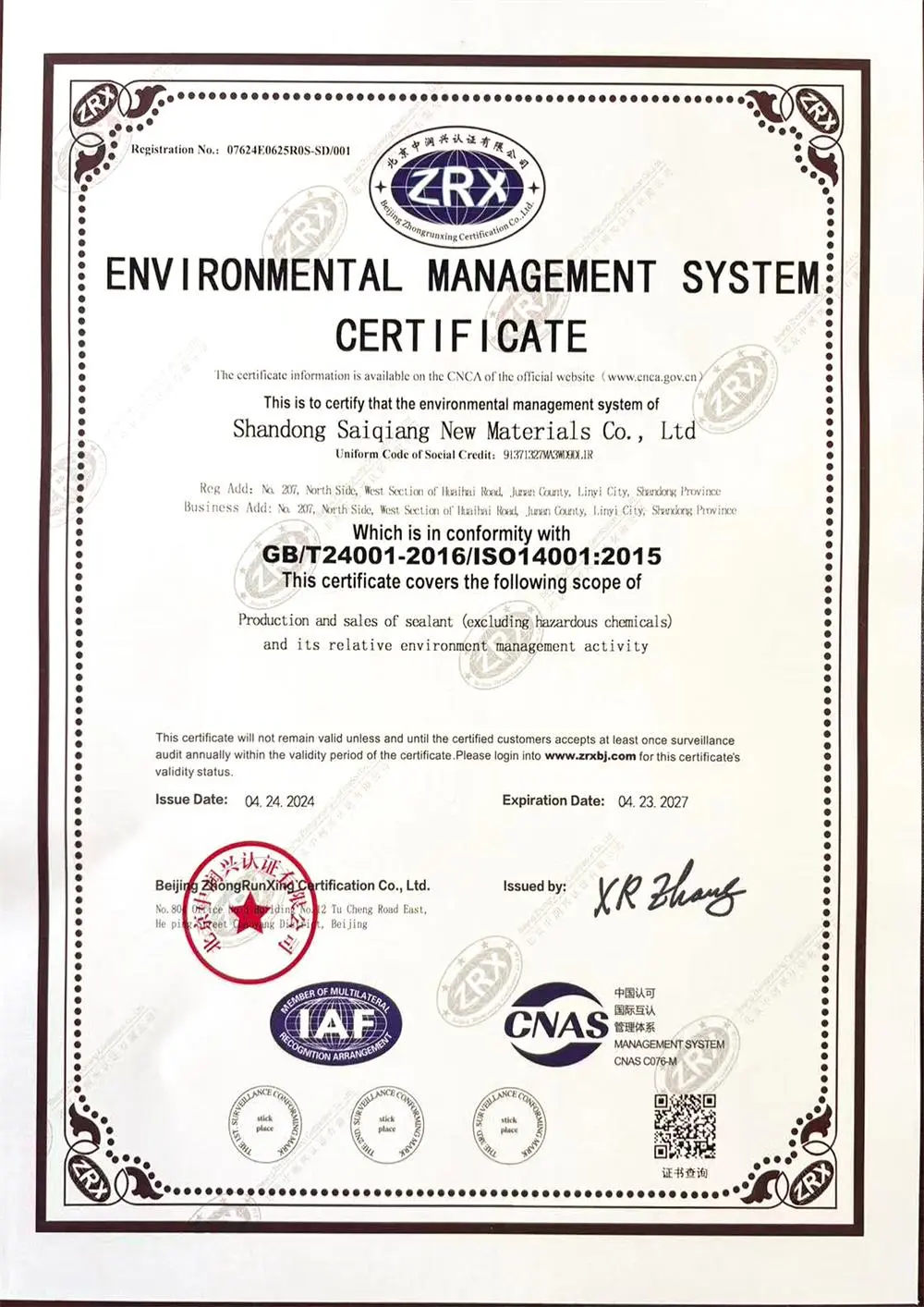
ISO 9001:2015 certification ensures precise control throughout the entire process.
China's Ten-Ring Certification, France's A+ Indoor Air Safety Certification.
CE, ROHS and REACH certifications fully meet the market access requirements in Europe.
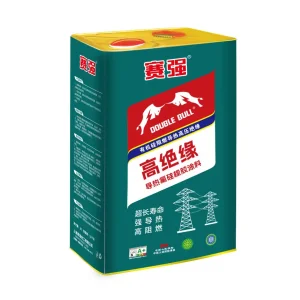
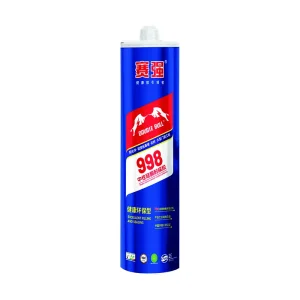
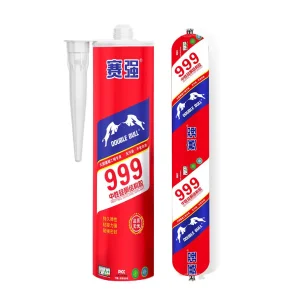
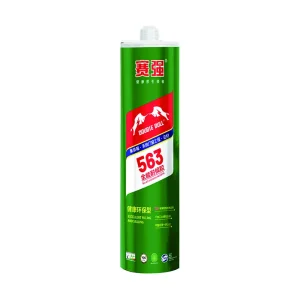
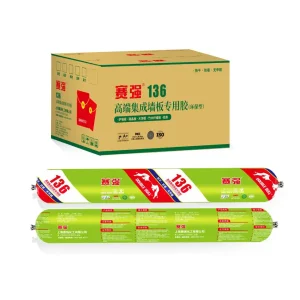
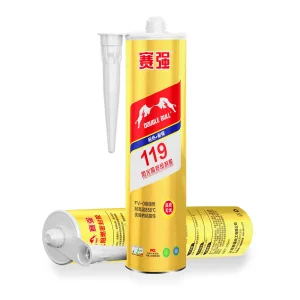
Silicone sealant: It has strong weather resistance and is suitable for curtain walls, doors and Windows, and high-temperature scenarios.
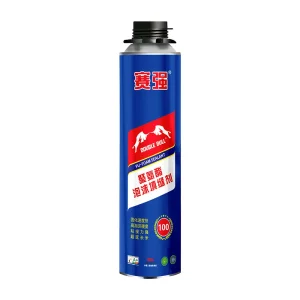
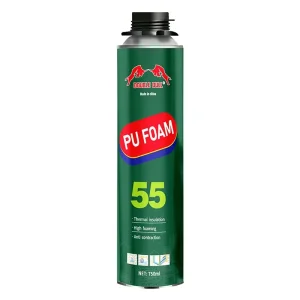
Polyurethane foam adhesive: Highly efficient filling and insulation, widely used in construction and pipeline engineering.
Eco-friendly nail-free adhesive: A traceless load-bearing solution that meets the needs of modern homes.
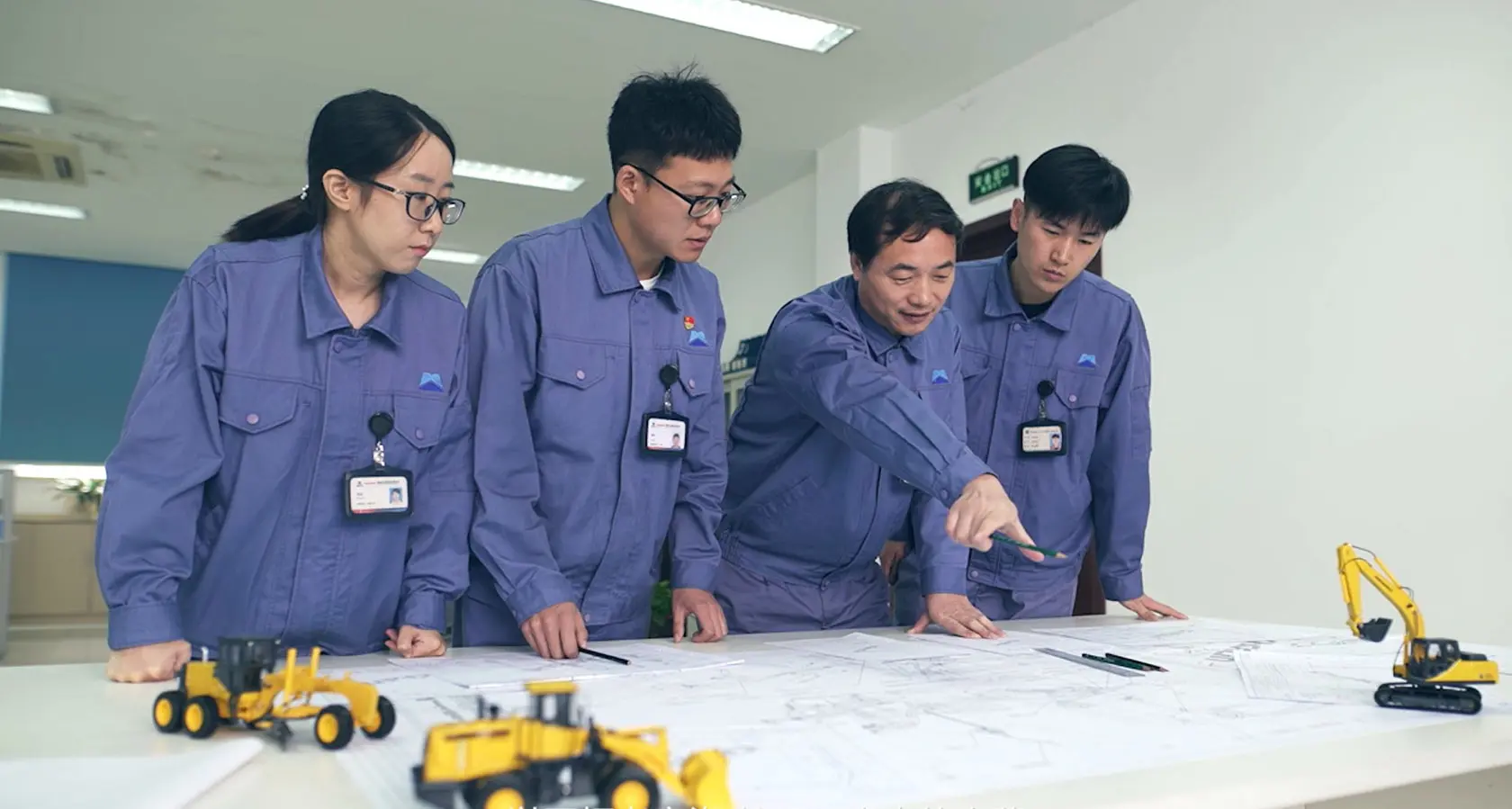
Shanghai Saiqiang Chemical Co., Ltd. was established in 2005, committed to silicone rubber, foam rubber research and development, production and sales; The production base is located in Sijing Industrial Park, Songjiang District, Shanghai, covering an area of more than 100 acres; The factory has 26 filling production lines, supporting a number of solid raw materials warehouse, packaging material warehouse, finished product warehouse; With an annual output of more than 50,000 tons, it is one of the large comprehensive adhesive production enterprises in China.
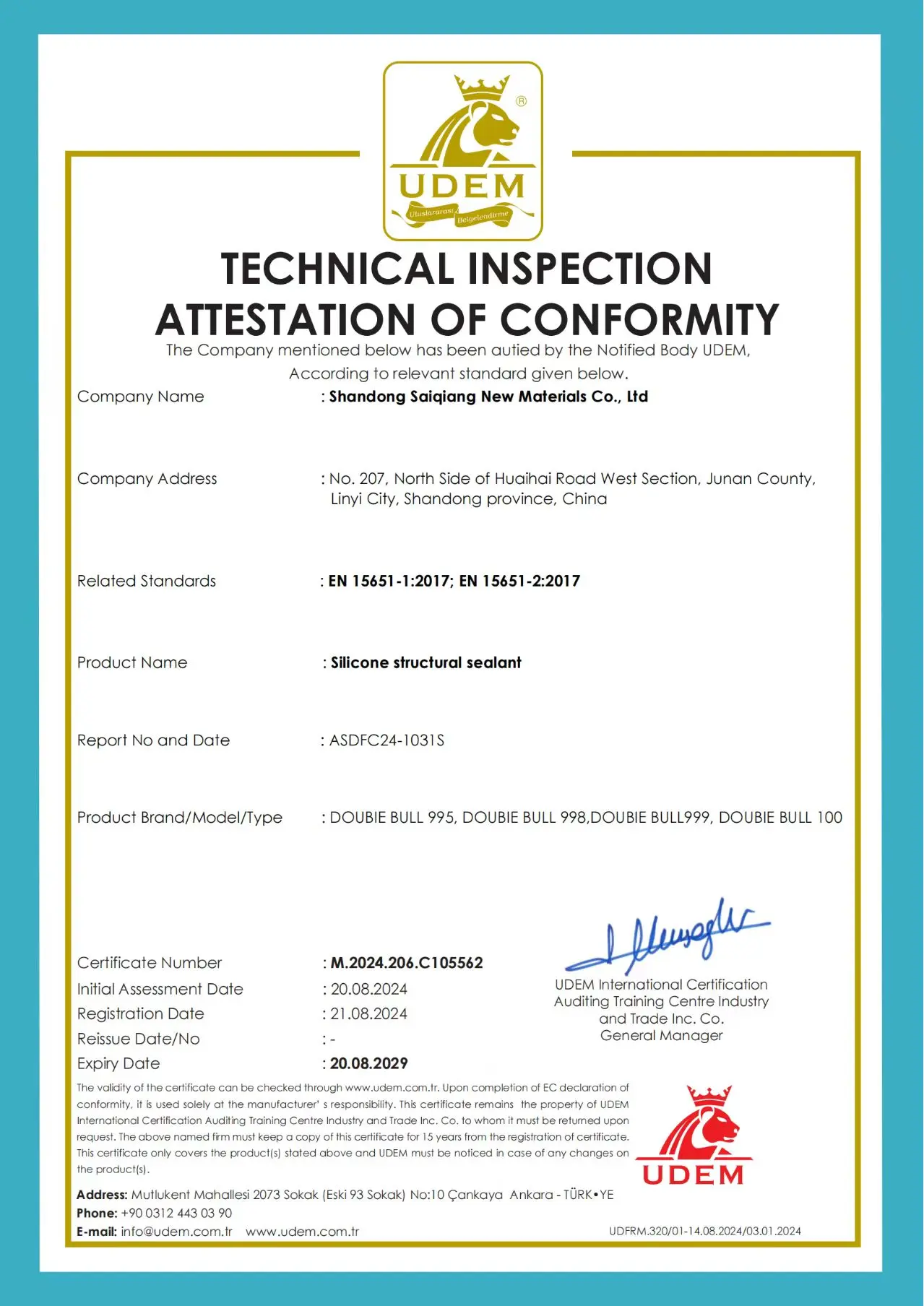
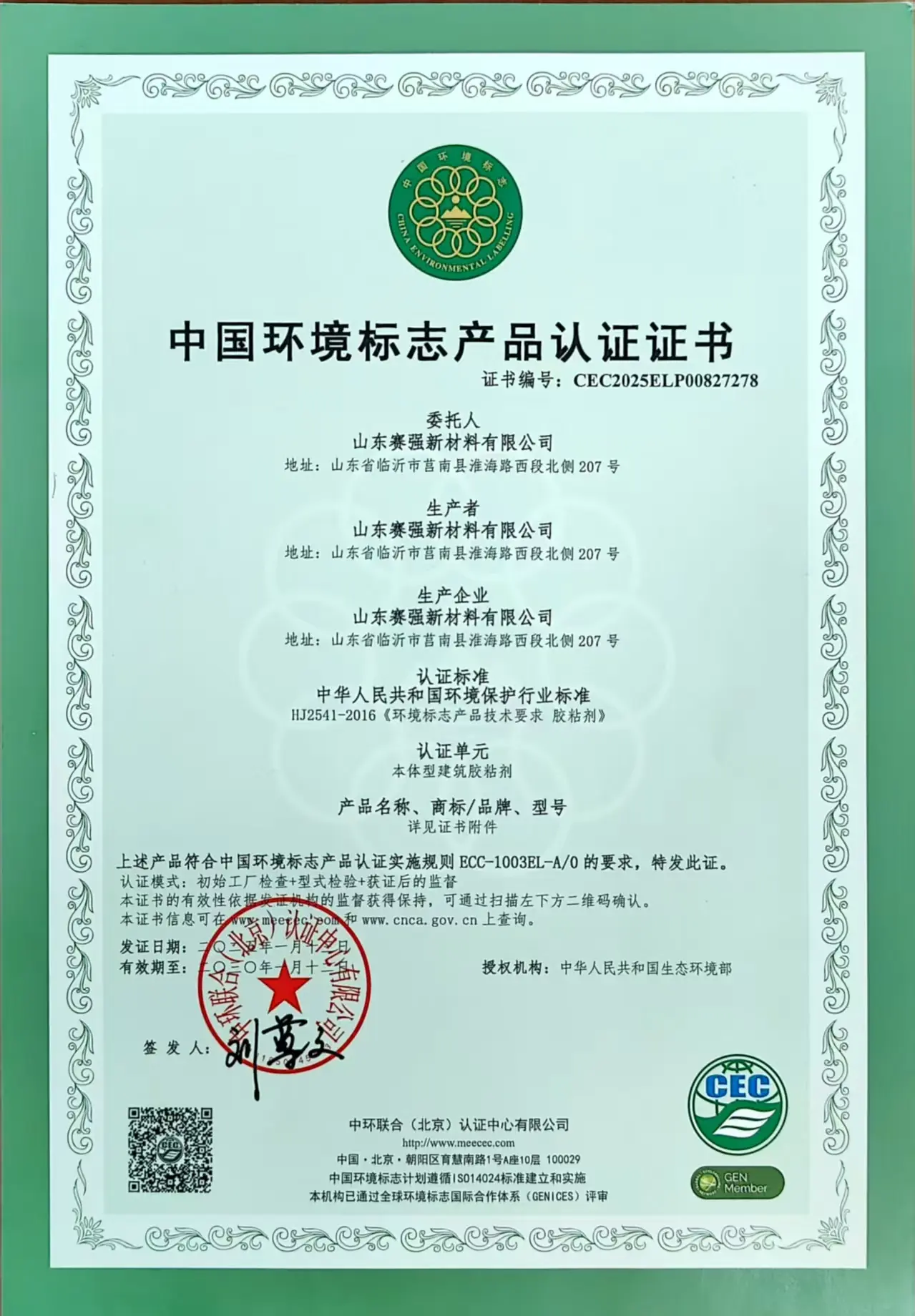
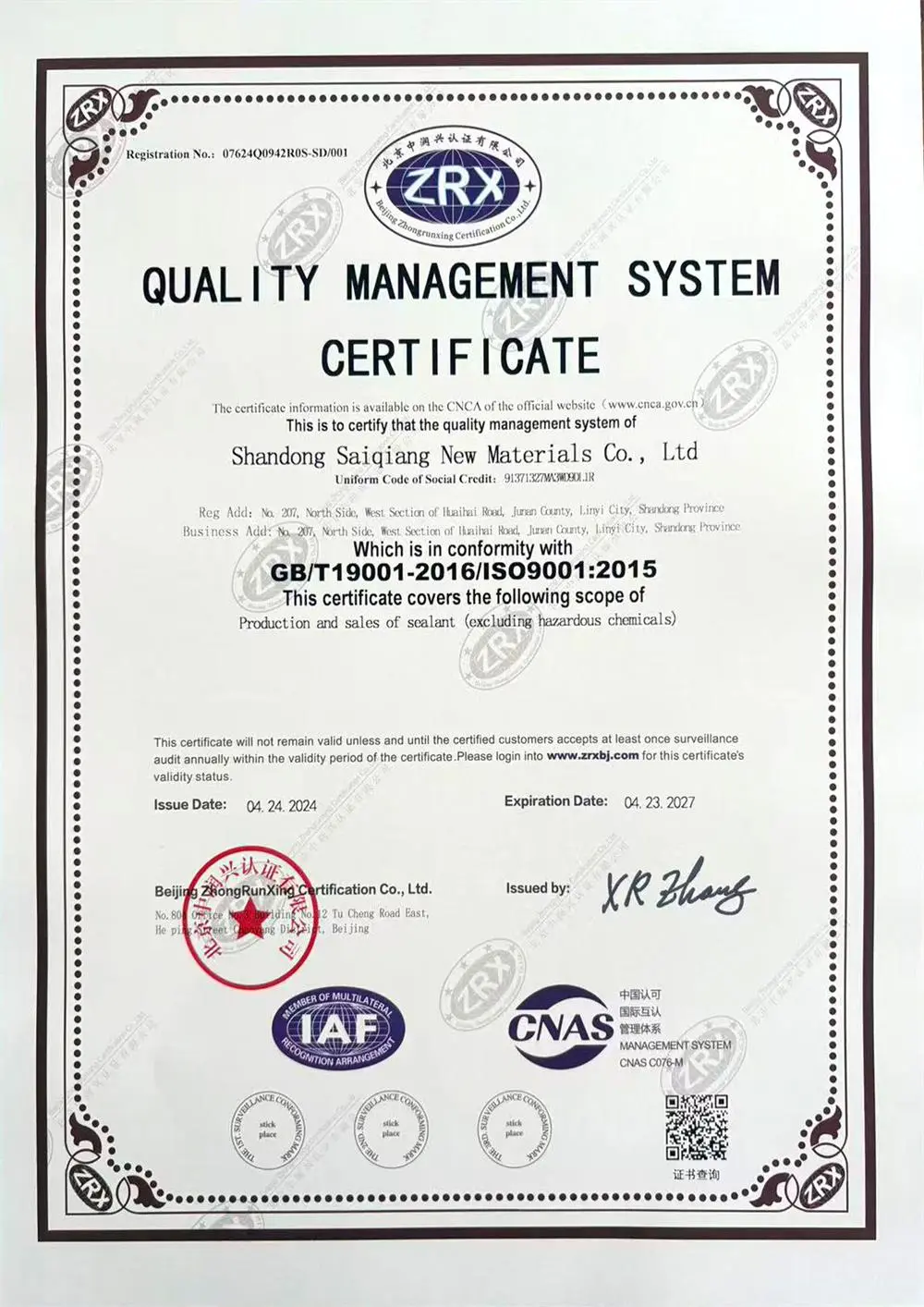
Expert answers to the most common industrial procurement questions.
A: Acetoxy cure releases acetic acid (vinegar smell), which can corrode sensitive metals and electronics. Neutral cure silicone is non-corrosive and has better adhesion to masonry and metals, making it the preferred choice for curtain walls and electrical components.
A: Leading factories like Saiqiang use moisture-proof aluminum foil packaging and vacuum-sealing technology. Our formulations are tested for stability at 50°C for 30 days to simulate extreme transit conditions, ensuring the sealant remains usable upon arrival.
A: Yes. By selecting sealants with low-VOC emissions (France A+ or China Ten-Ring certified), builders can earn points toward LEED (Leadership in Energy and Environmental Design) and other sustainable building frameworks.
A: Structural silicone is designed to carry loads (e.g., holding glass to a frame), requiring high tensile strength. Weatherproofing silicone is designed to allow movement (high elasticity) to prevent water ingress while the building expands and contracts.
Industrial grade adhesives ready for international distribution.
 Saiqiang