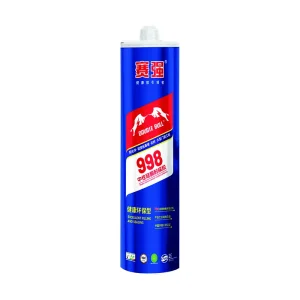
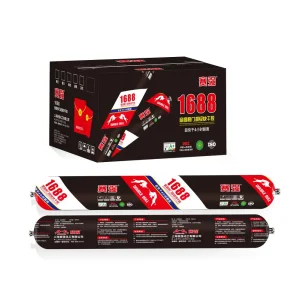
Explore our foundational range of high-conductivity coatings, weatherproofing silicone adhesives, and specialty wall-panel bonding formulations sourced directly from our smart manufacturing plant.
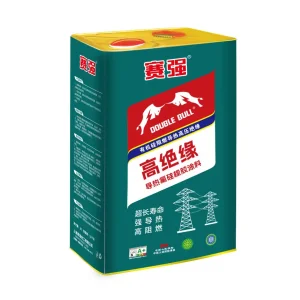
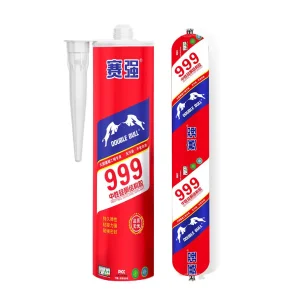
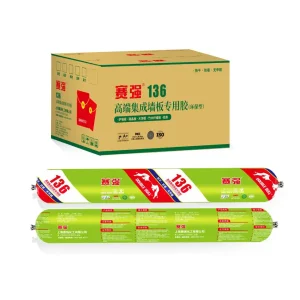
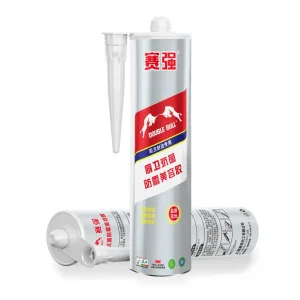
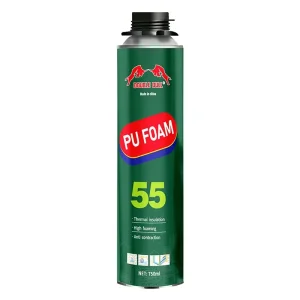
Fire expanding foam (also widely known in commercial specifications as fire-rated polyurethane foam) represents a critical component in passive fire protection (PFP) networks. Unlike standard polyurethane fills, which can quickly support combustion and produce highly toxic gases, premium fire expanding foam relies on advanced intumescent chemistry. Under thermal exposure exceeding 180°C, the chemical composition carbonizes, expanding up to several times its cured volume to build a rigid, heat-blocking barrier.
This physical-chemical reaction seals joints, linear gaps, and utility penetrations, preventing the rapid spread of toxic fumes, hot gases, and open flames from one fire compartment to another. By maintaining structural integrity and thermal insulation properties for extended durations, this technology provides building occupants with invaluable minutes for evacuation and emergency responders with time to suppress the hazard.
"Information Gain Indicator: Commercial building regulations such as the European EN 1366-4 and the American UL 2079 mandate that joints and penetrations must be sealed with materials capable of resisting fire for up to 240 minutes. Simply relying on volume expansion is insufficient; the foam's cellular density must resist internal degradation under temperatures surpassing 1000°C."
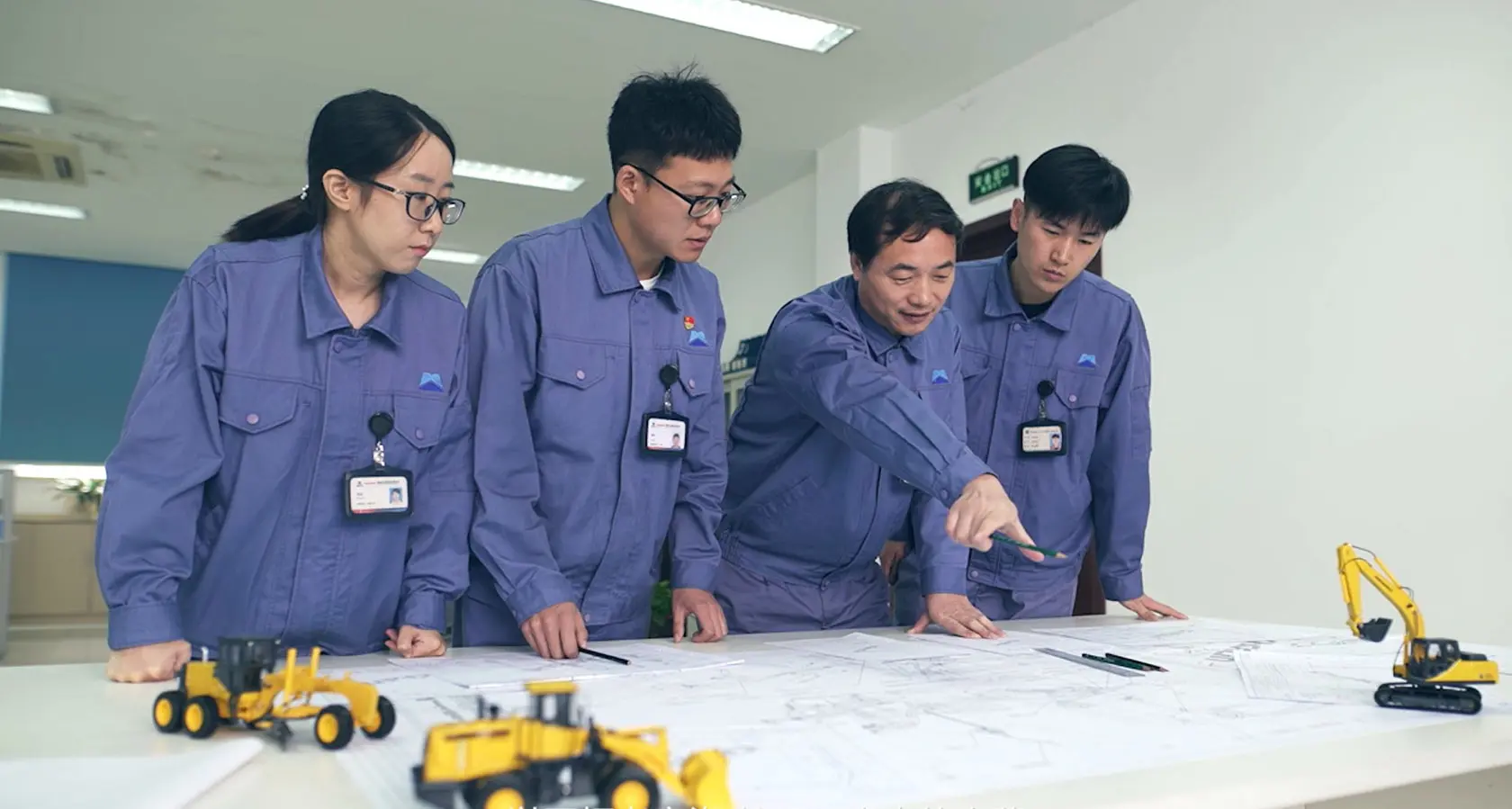
In international B2B procurement, compliance is non-negotiable. Building materials must align perfectly with domestic safety codes to pass rigorous local authority inspections.
Fully compliant with CE marking, EN 15651 directives, and REACH/RoHS toxicity thresholds. Our formulations contain no chlorinated paraffins or halogenated blowing agents, ensuring swift customs clearance and approval by European safety boards.
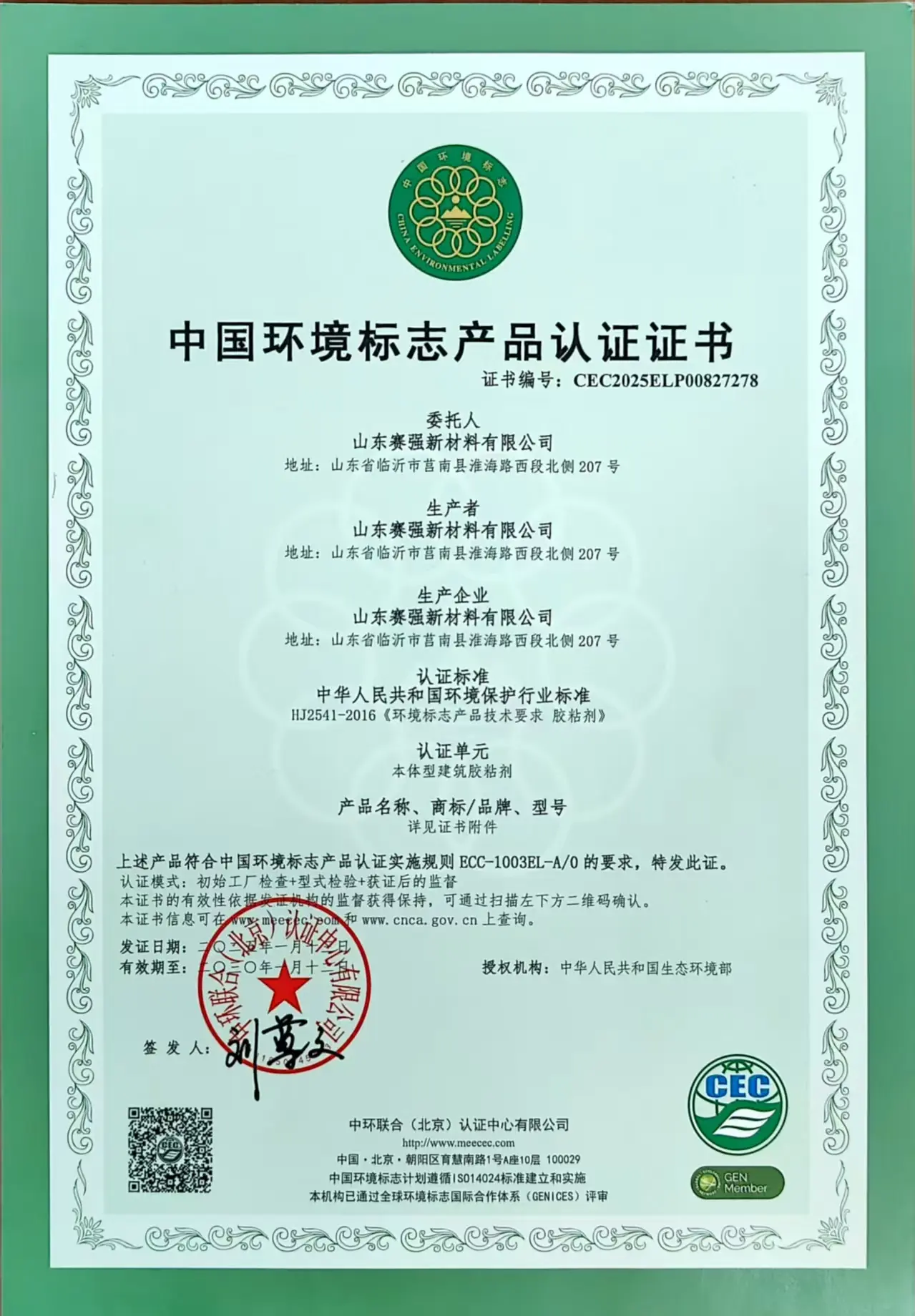
Certified with France's A+ rating for volatile organic compound (VOC) emissions and China's prestigious Ten-Ring Environmental Label. Safe for interior utility rooms, hospitals, schools, and high-occupancy residential towers.
Through our localized global warehousing networks in Europe, North America, and Southeast Asia, we don't just supply products—we provide physical sample kits, on-site compatibility audits, and certified engineering test data Sheets (TDS).
How Saiqiang leverages advanced industrial geography and massive production capacity to deliver high-quality bonding products at scale.
Saiqiang commands a unique strategic advantage in China's industrial geography. With our primary raw material and processing powerhouse located in Junan County, Linyi City, Shandong Province, and our high-end international trading and R&D headquarters in the Sijing Industrial Park, Songjiang District, Shanghai, we bridge the gap between heavy industrial efficiency and leading-edge chemical research.
Spanning an area of more than 100 acres, our Shanghai base coordinates 26 fully automated filling lines, massive raw material silos, and a continuous packing system. This dual-base framework ensures a massive daily production output of 200,000 units and an annual production capacity exceeding 50,000 tons. B2B buyers benefit from a direct, unmediated supply chain that keeps costs competitive while offering unmatched delivery reliability.
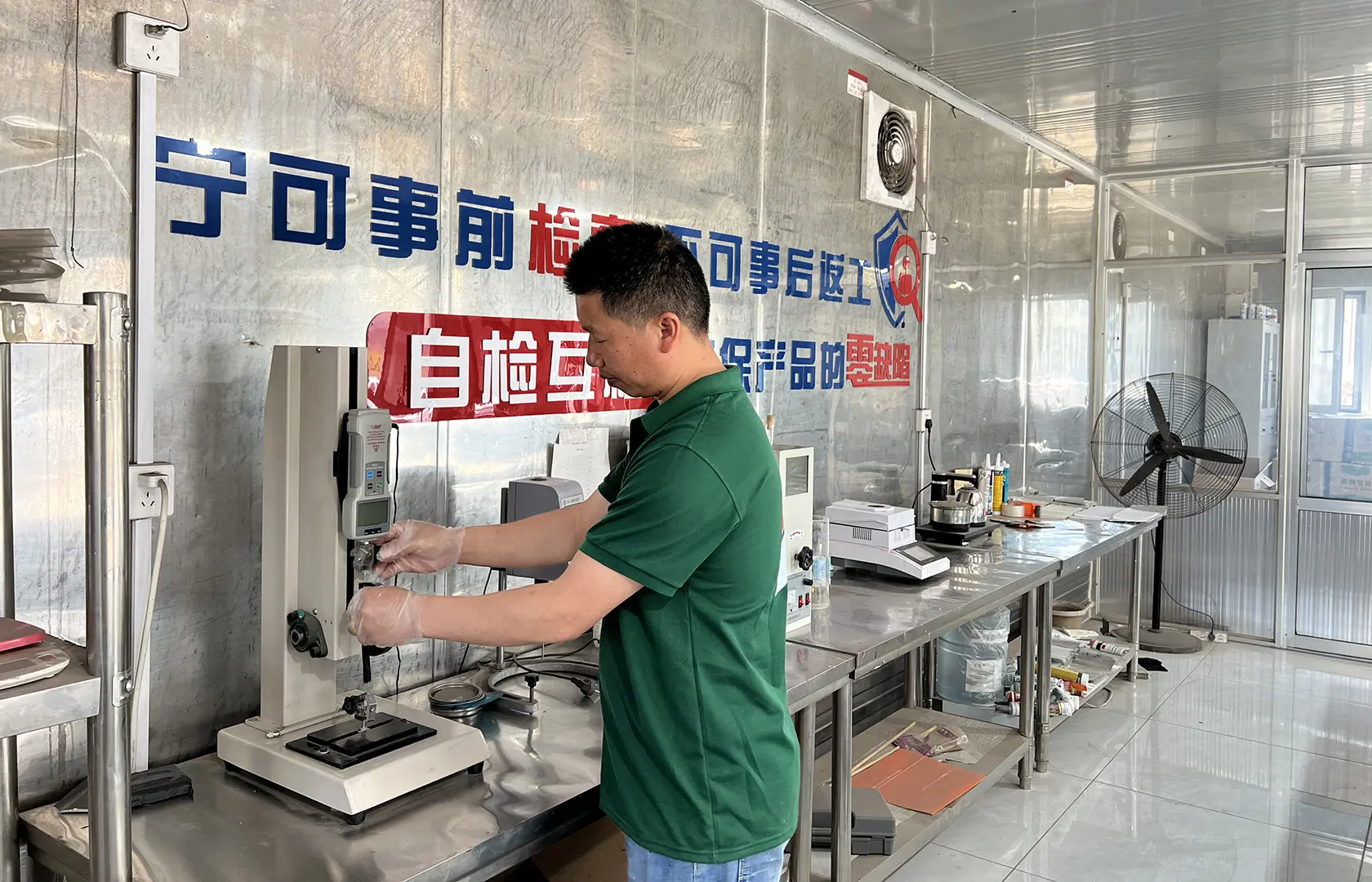
A guide for procurement directors, project managers, and distributors evaluating bulk orders of fire-rated expanding sealants.
Large-scale construction and commercial property development require meticulous product evaluation. The table below illustrates the critical specifications that global procurement departments must request when purchasing fire-rated expanding foam:
| Technical Parameter | Industry Standard Target | Saiqiang Laboratory Benchmark | B2B Impact & Importance |
|---|---|---|---|
| Fire Integrity (E) | 120 - 240 mins (EN 1366-4) | Up to 240 mins (Grade EI 240) | Prevents physical collapse of the joint during fire. |
| Thermal Insulation (I) | 60 - 180 mins | 180 mins minimum protection | Prevents high heat transfer to the unexposed face. |
| Tack-Free Time | 10 - 20 minutes | 8 - 12 minutes (at 23°C / 50% RH) | Faster cut time; improves general project cycle speed. |
| Dimensional Stability | Max shrinkage < 5% | < 2% shrinkage, zero pull-away | Maintains sealant bond line integrity over time. |
| VOC Emissions | Low VOC requirements | French A+, ISO 16000 compliant | Crucial for green building credits (LEED, BREEAM). |
We work in tandem with regional engineers to adjust foam properties—such as curing speed, viscosity, and propellant pressures—to perform flawlessly in regional climates, from freezing Arctic sites to hot, humid tropical zones.
We provide full chemical bonding compatibility evaluations to ensure our fire foams do not react negatively with anodized aluminum, structural steel, timber, glass, or plastic panels.
We offer customized aerosol valve sizes, dual-gun adapters, custom printed cans, and robust export outer cartons designed to survive long-haul container shipments without losing pressure.
Fire expanding foam is not a universal filler; its deployment requires careful planning across specific architectural and mechanical configurations.
The margins between rough structural openings and finished fire door assemblies are a primary vector for fire and smoke. Our Class B1 foam provides excellent expansion density, sealing gaps securely while accommodating the microscopic thermal expansions and contractions of door frames.
High-rise designs use movement joints to withstand wind shear and seismic events. Standard sealants rupture under stress, while our polyurethane foams maintain elastomeric flexibility, preserving the thermal and fire barrier during joint movement.
When metallic pipes, PVC conduits, or air ducts breach masonry firewalls, they leave annular spaces. Filling these voids with our high-yield intumescent expanding foam prevents vertical and horizontal flame transfer along utility runs.
The construction chemical sector is undergoing rapid regulatory and scientific transformations. Here is how Saiqiang leads these industry movements:
Classic polyurethane foams rely on methylene diphenyl diisocyanate (MDI). Regulatory bodies, particularly in Scandinavia and Germany, are tightening restrictions on free isocyanates due to potential respiratory irritation during application. The industry is rapidly adopting low-monomer or silane-modified alternatives. Saiqiang's joint laboratory is at the forefront of this trend, developing low-emission formulations that reduce risk to installers without compromising structural fire integrity.
With global focuses on zero-emission buildings and carbon reduction, insulation materials must work harder. Modern fire expanding foam needs to offer exceptional R-value insulation ratings to prevent thermal bridging while maintaining its fire rating. Our products feature a high closed-cell ratio (over 75%), combining premium acoustic dampening, building envelope airtightness, and structural fire protection in a single application.
How our dedication to precision manufacturing translates into long-term mutual trust and reliable business relationships.

We continuously invest in chemical research and upgrade our production lines to meet the evolving regulatory demands of international markets.

Always prioritize product stability, using premium grade raw materials to ensure that every can performs reliably on the construction site.

From custom packaging design to tailored chemistry formulations, we adjust our services to match the precise needs of your local market.

Establishing long-term relationships with distributors, engineering firms, and materials brokers worldwide through honest operations.
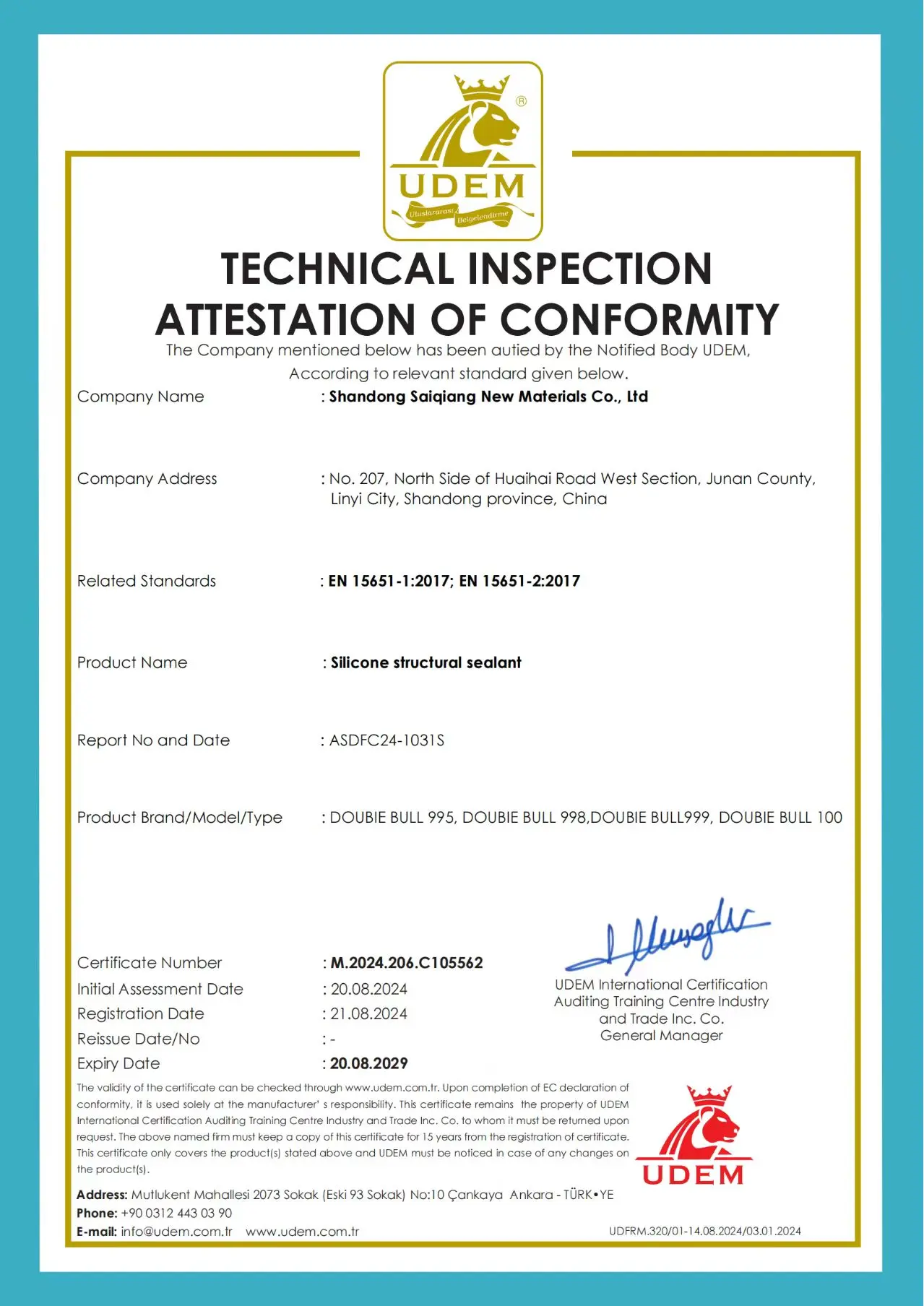
CE Certification
China Ecolabel
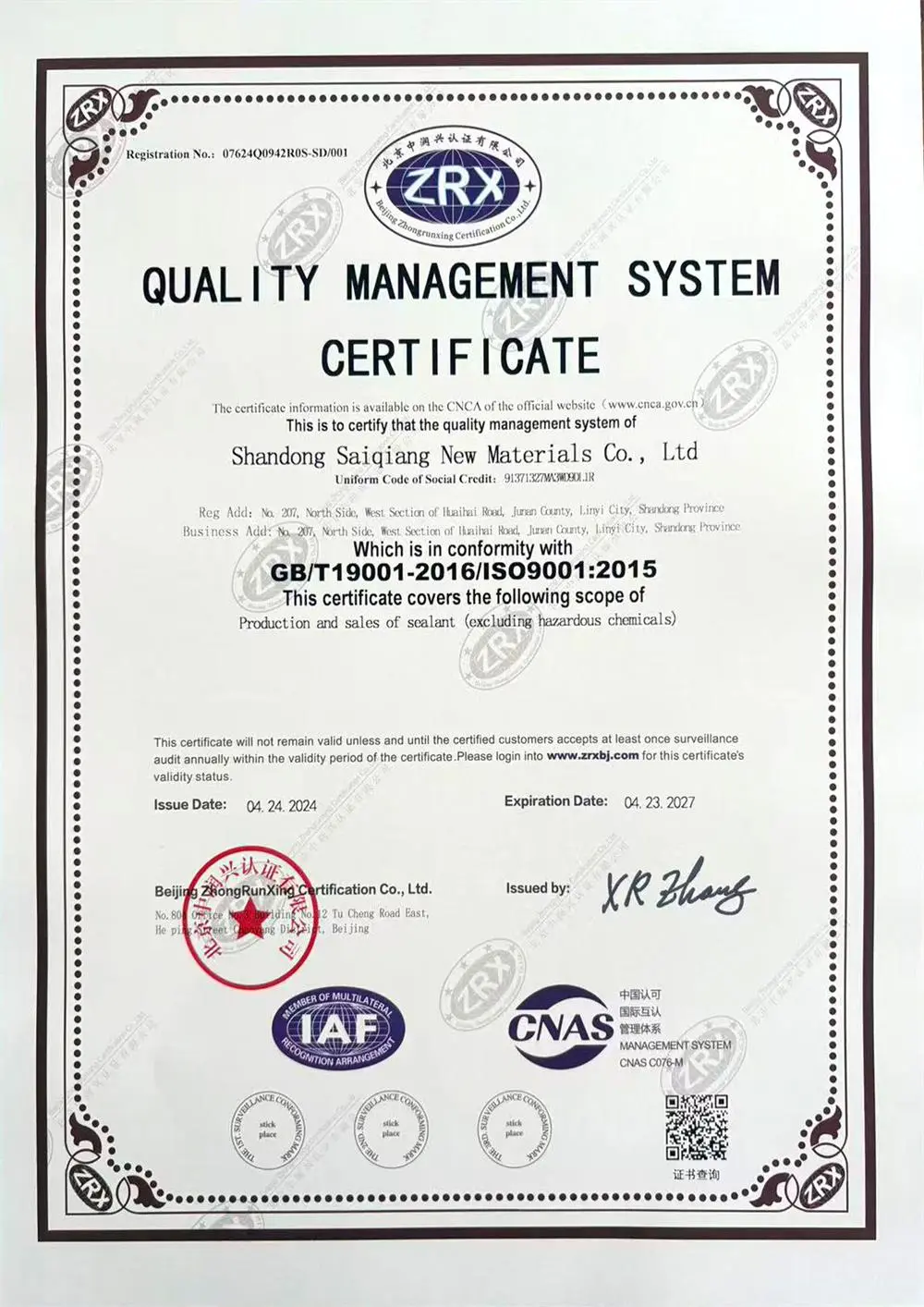
ISO 9001:2015
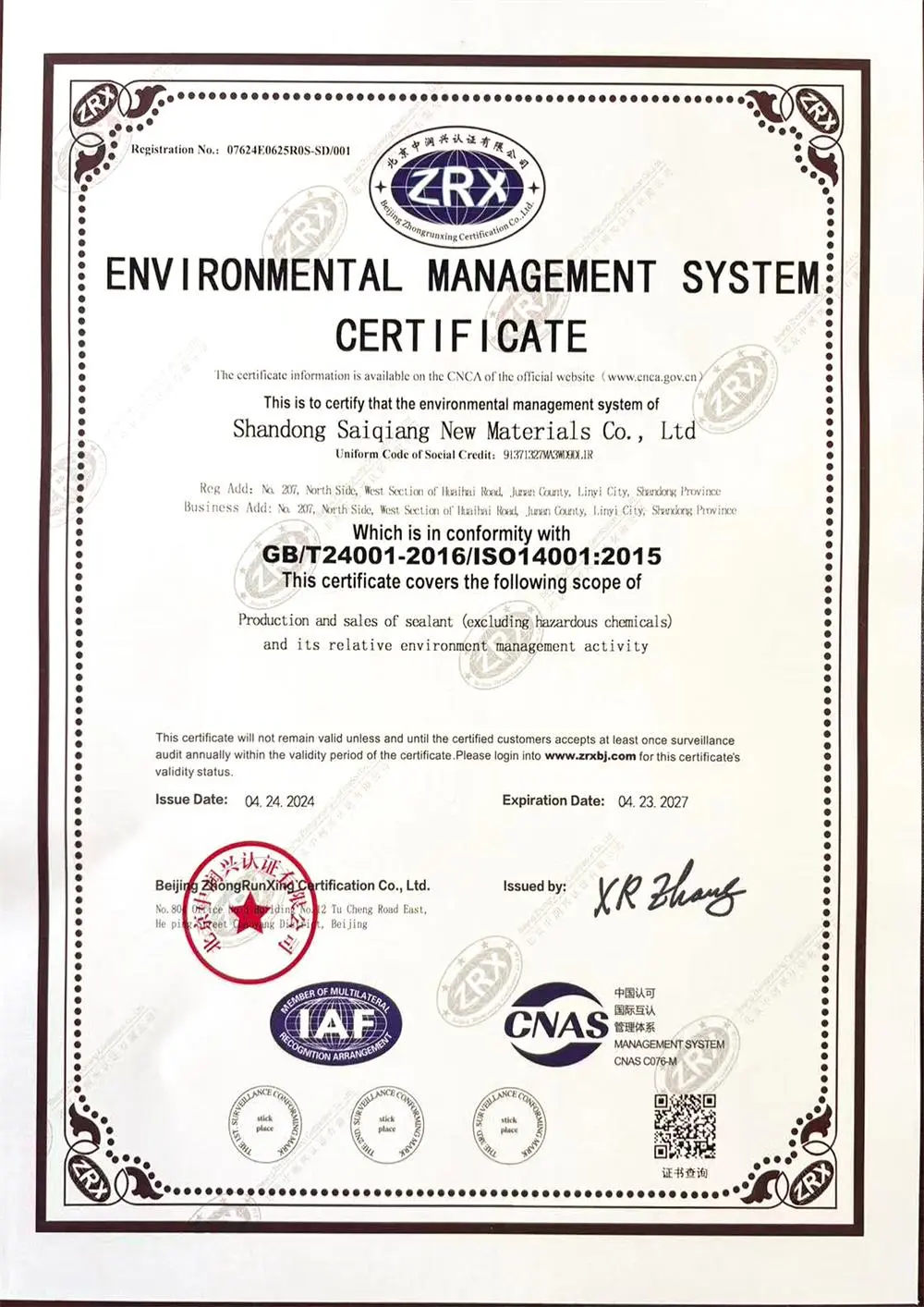
ISO 14001:2015
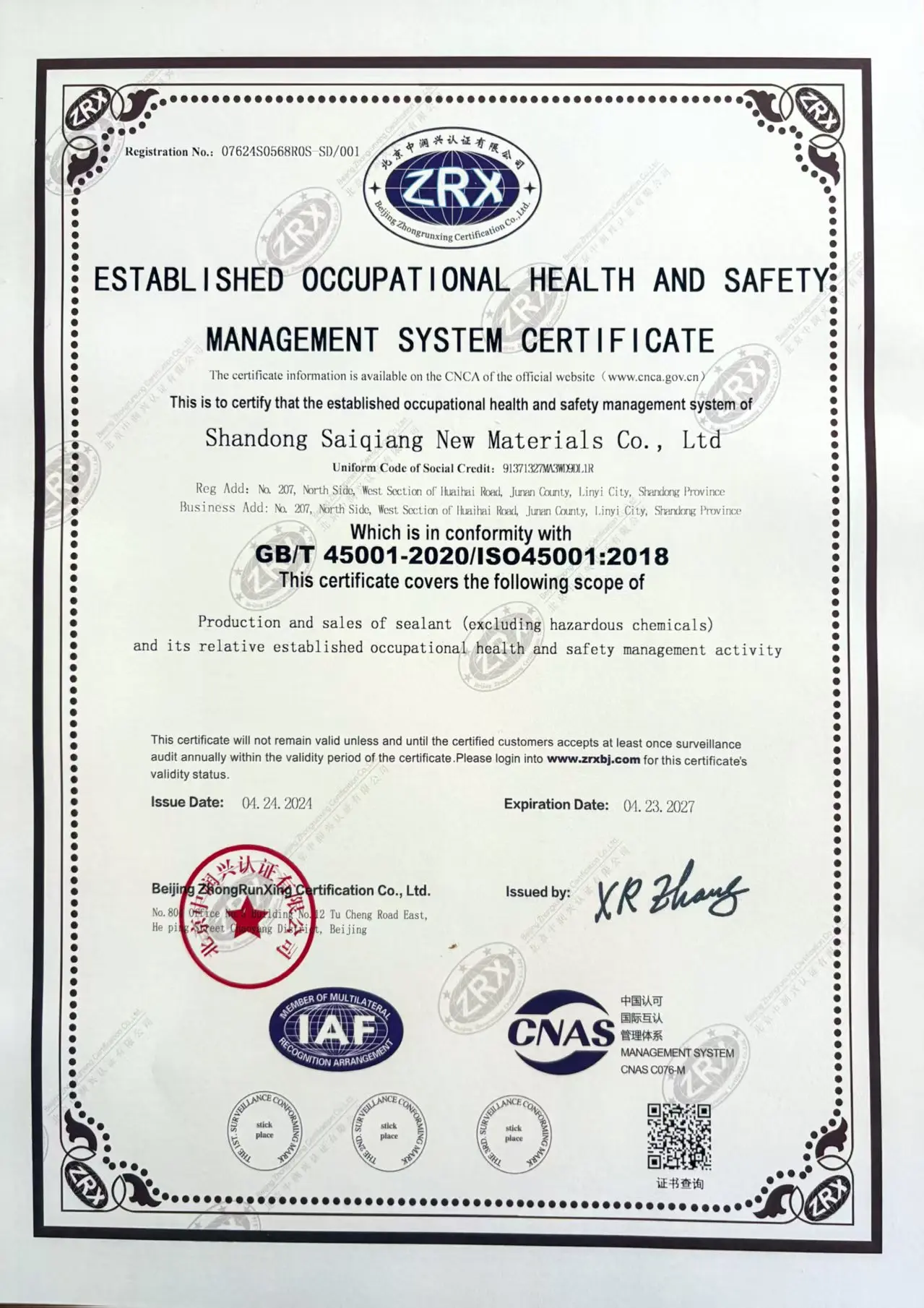
ISO 45001:2018
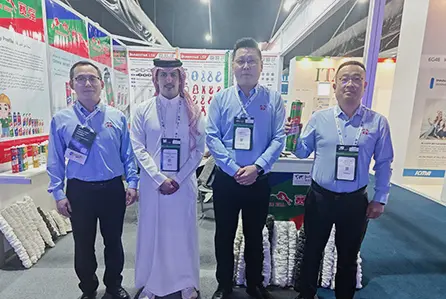
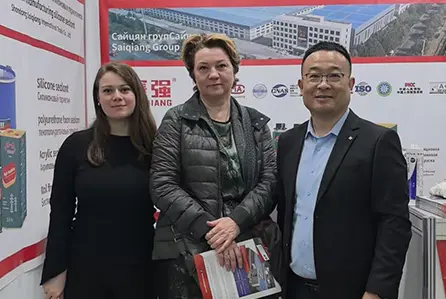
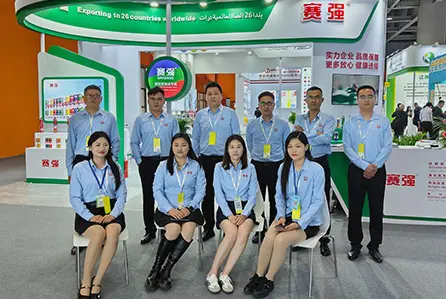
Direct answers to critical architectural, regulatory, and chemical safety questions related to fire expanding sealants.
Class B1 expanding foam (according to German DIN 4102-1 standards) contains specialized flame retardants that render the cured foam self-extinguishing after the source flame is removed. Class B2 foam is combustible but burns at a highly regulated, slow rate and does not release flaming droplets. B1 foam is typically mandated for commercial public structures, lift shafts, and escape stairwells, whereas B2 is acceptable for standard residential installations.
Standard polyurethane foam becomes rigid and brittle, cracking when joints shift. High-quality fire-rated expanding foams are formulated with chemical plasticizers that grant elastomeric behavior. They can tolerate movement ranges (up to +/- 25% of joint width) while maintaining tight adhesion to concrete, brick, and aluminum substrates without pulling away or forming gaps.
Yes. Once completely cured (typically 24 hours after application), fire-rated expanding foam can be cut, sanded, and painted over. For optimal fire protection and UV shielding (since polyurethane degrades when exposed to continuous direct UV radiation), covering the foam with a fire-rated silicone sealant or acrylic plaster is highly recommended.
Single-component polyurethane expanding foams cure by reacting with atmospheric moisture. Lightly misting the cavity or expansion joint with water before application accelerates the curing process, improves the cell structure, and increases the final expansion volume, especially in low-humidity environments.
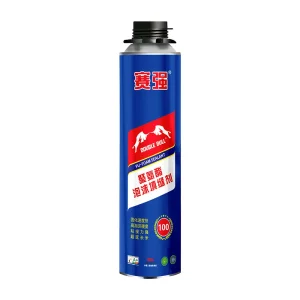
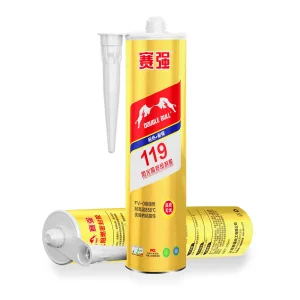
Complete your sourcing inventory with our high-yield expanding foams, rapid-cure window glues, and extreme weather-resistant structural silicones.
 Saiqiang