Engineered to withstand intense marine salinity, high relative humidity, and solar thermal expansion in the Maldives archipelago.
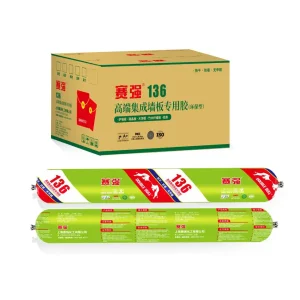
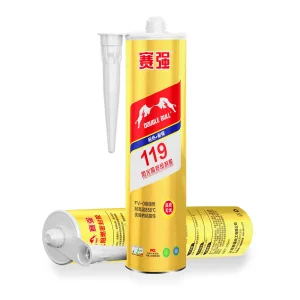
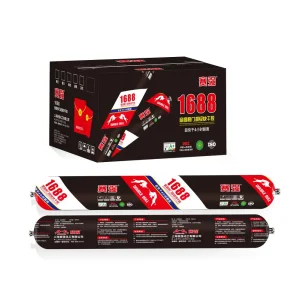
The Republic of Maldives presents one of the most demanding physical environments globally for architectural building materials. Composed of double chain of twenty-six atolls, construction projects here—ranging from luxury overwater bungalows to civil infrastructure in Male' and Hulhumale'—are exposed to a highly challenging combination of high relative humidity (averaging 80%), intense ultraviolet (UV) radiation, and continuous saline spray.
Traditional polyurethane and low-grade acrylic sealants degrade rapidly under these conditions, losing elasticity, yellowing, and cracking within months. For the luxury hospitality industry, which accounts for the vast majority of local commercial investments, failures in glass glazing, facade weatherproofing, and sanitary joints result in expensive maintenance shutdowns and structural damage. High-grade neutral silicone sealants, which maintain structural integrity under extreme environments, have transitioned from premium specifications to absolute necessities for local contractors and facility managers.
Chloride ions in marine salt spray act as catalytic promoters for hydrolysis in non-silicone polymers. The Si-O-Si (silicon-oxygen-silicon) backbone of high-purity neutral silicone is intrinsically resistant to both UV photolytic cleavage and saltwater corrosion, providing a lifespan up to 500% longer than organic polymer sealants in maritime zones.
Providing heavy-duty architectural and industrial bonding technologies across 62 countries.
The global silicone sealant market relies heavily on optimized supply chains. China's chemical manufacturing corridors—particularly in Shandong Province and the industrial developments of Shanghai—host the world's most integrated silicone production clusters. The close proximity to raw silica mining, siloxane synthesis reactors, and high-speed packaging plants eliminates international freight bottlenecks and reduces processing costs.
At Shanghai Saiqiang Chemical Co., Ltd. (established in 2005), we leverage this industrial ecosystem. Based in Sijing Industrial Park (Songjiang, Shanghai) with an extensive manufacturing presence in Junan County (Linyi, Shandong), our facilities span over 100 acres. Featuring 26 high-capacity filling production lines and integrated raw materials storage warehouses, we operate at a scale that allows us to absorb raw material price shocks and deliver consistently high-quality batches. This supply security is highly critical for developers in isolated markets like the Maldives, where construction delays due to material shortages can result in thousands of dollars of lost resort revenue per day.
Furthermore, our centralized research and development labs specialize in custom formulations. Whether adapting curing kinetics for tropical climates, raising mildew resistance levels to meet peak luxury resort interior specifications, or optimizing fire-retardant properties, our technical teams convert customer feedback into high-performance chemical formulations within days.
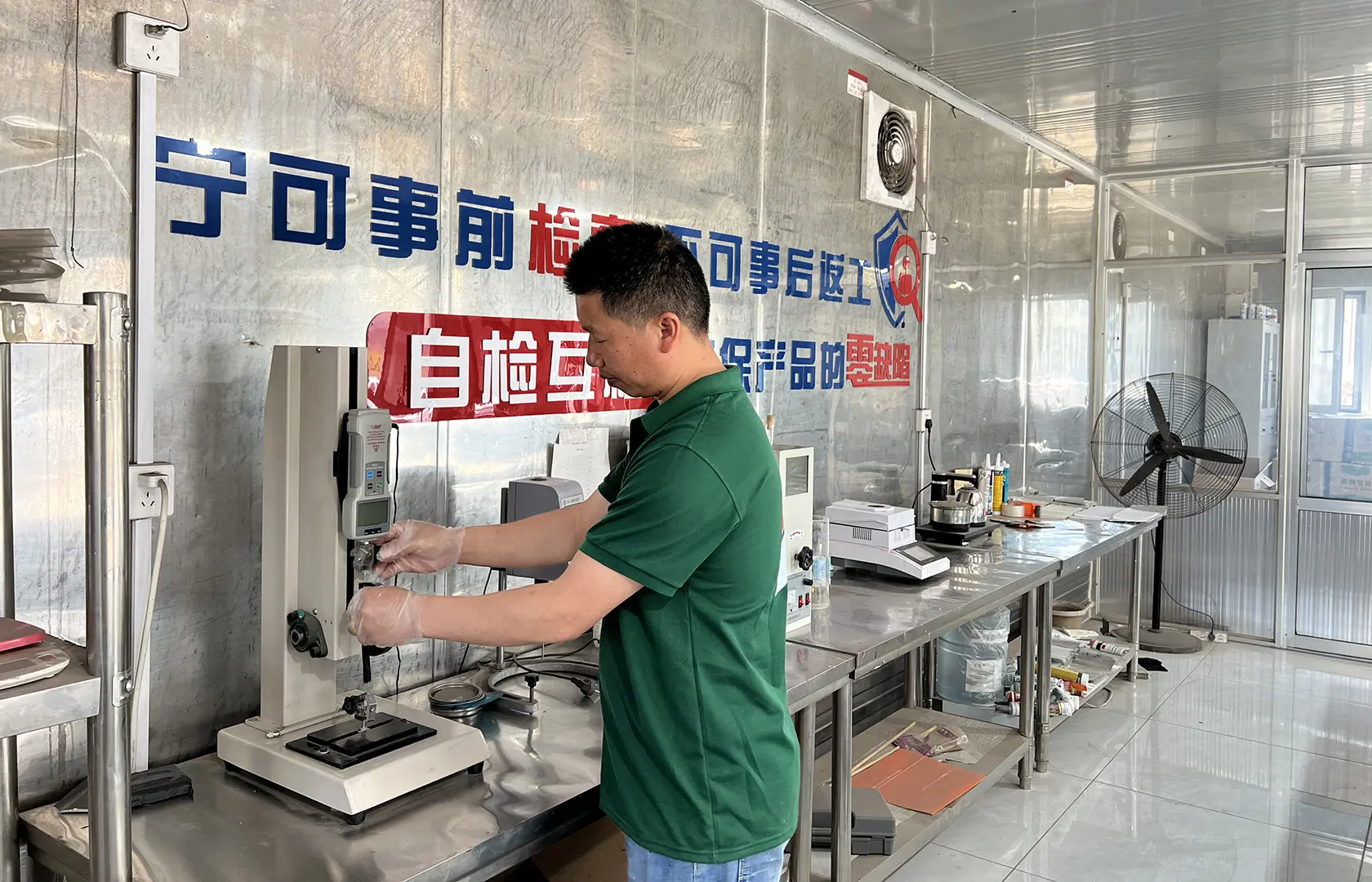
Customized formulations designed specifically to resolve structural challenges across the atolls.
Bridges, decks, and bungalow platforms shift constantly under wave energy and wind loads. Our high-movement architectural neutral silicone sealants offer ±50% joint movement capability, absorbing continuous dynamic stress without shear failure or adhesion loss.
Tropical damp climates accelerate black mold and mildew colonization in bathroom grout and corner joints. Our antibacterial mold-proof silicone contains heavy-duty non-leaching fungicides, maintaining aesthetic beauty and hygiene in five-star resort villas.
Maldives structures feature large floor-to-ceiling glass panel windows facing the ocean. These installations encounter severe wind pressures during monsoon seasons. Saiqiang structural glass sealants provide optimal shear resistance and durable elastic adhesion to aluminum and glass.
Navigating bulk silicone acquisition, port clearance, and chemical shelf-life challenges for isolated island projects.
Silicone sealants are chemically active compounds that cure via reaction with environmental moisture. High temperatures during maritime transport (inside steel containers under direct sunlight) can trigger premature polymerization or diminish the shelf life of the compound. We recommend temperature-regulated transport or purchasing directly from high-capacity manufacturers with fast lead times to ensure newly-manufactured batches reach destination ports with maximum remaining shelf life.
Ensuring environmental compliance and architectural approval across global projects.
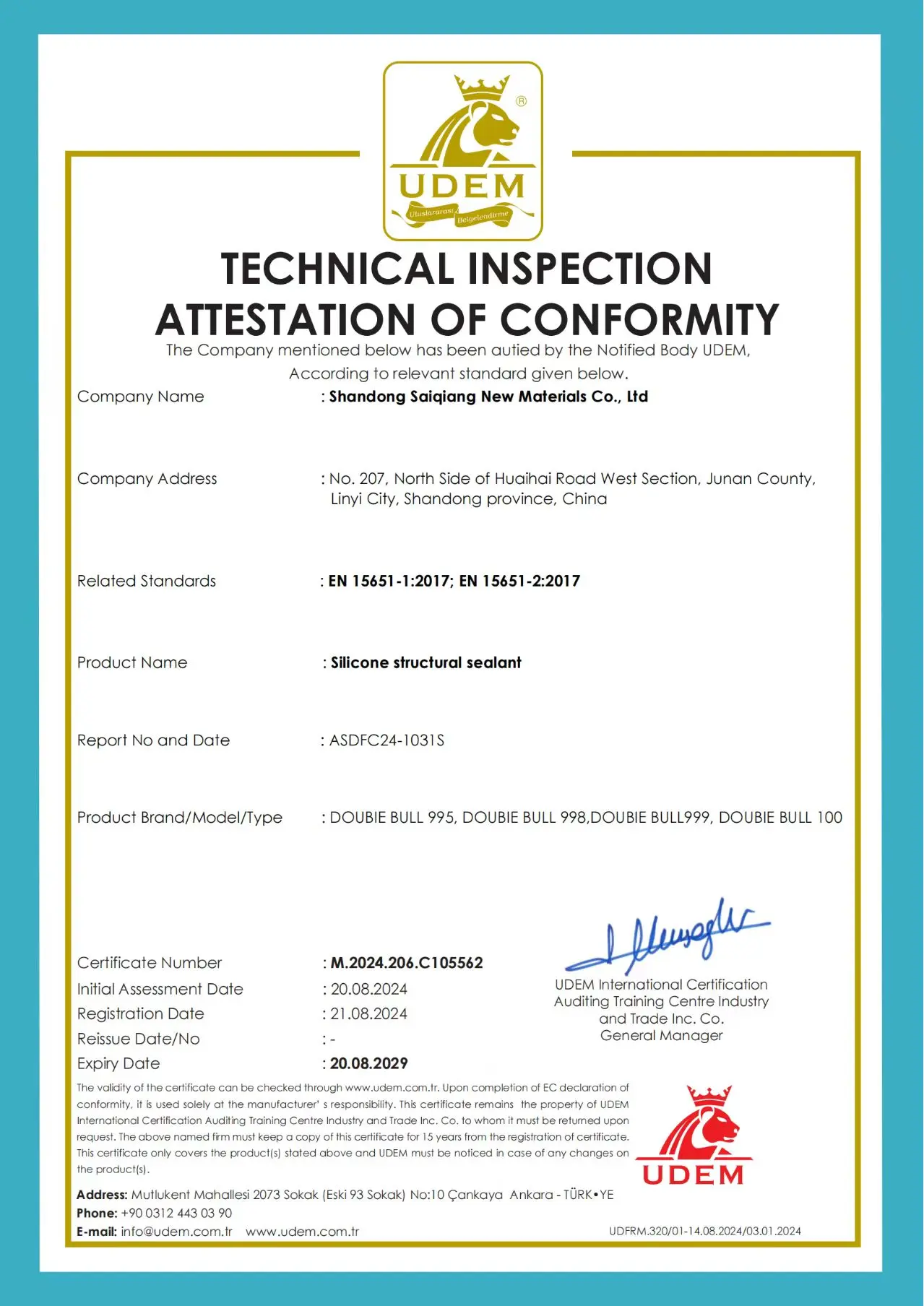
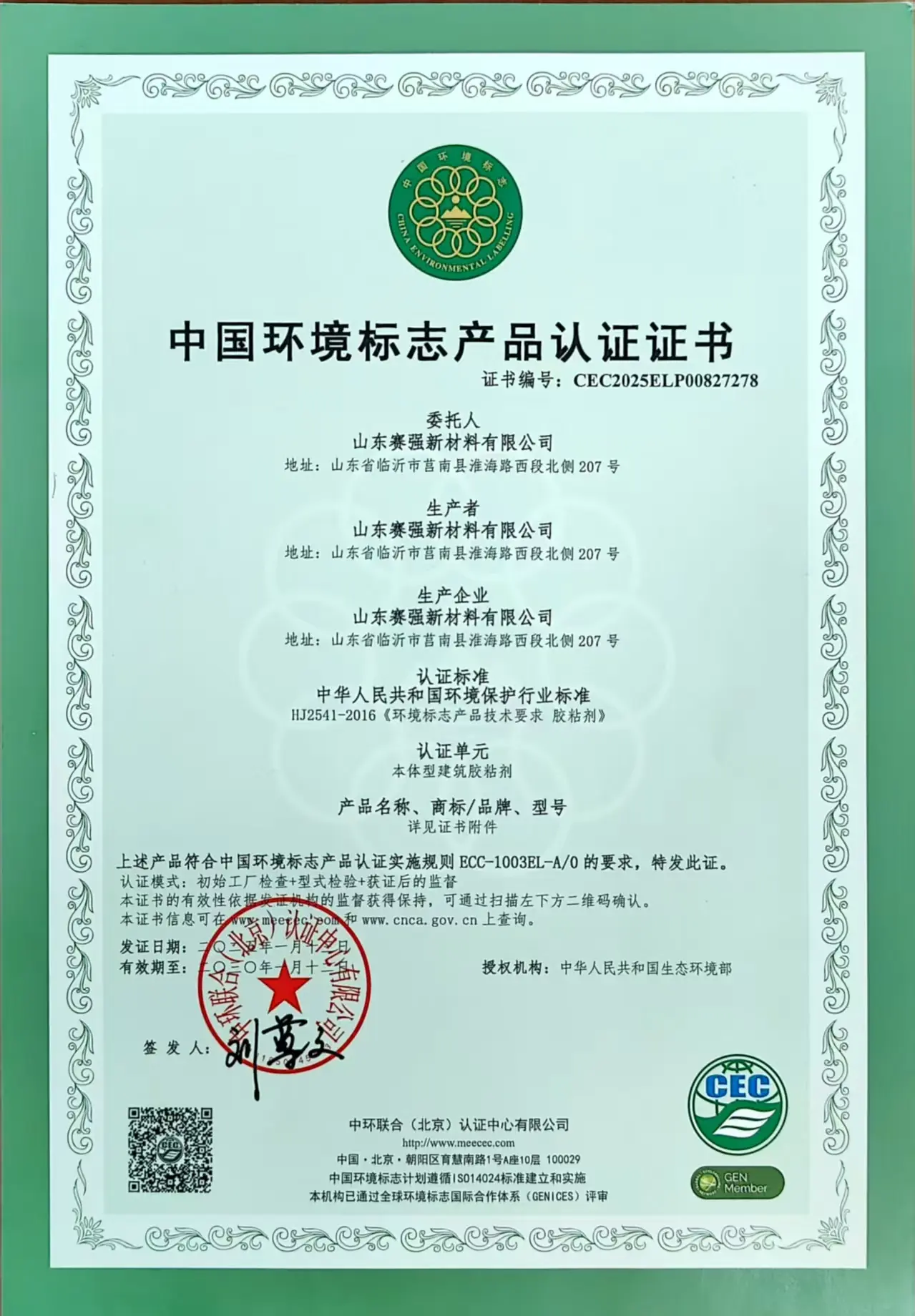
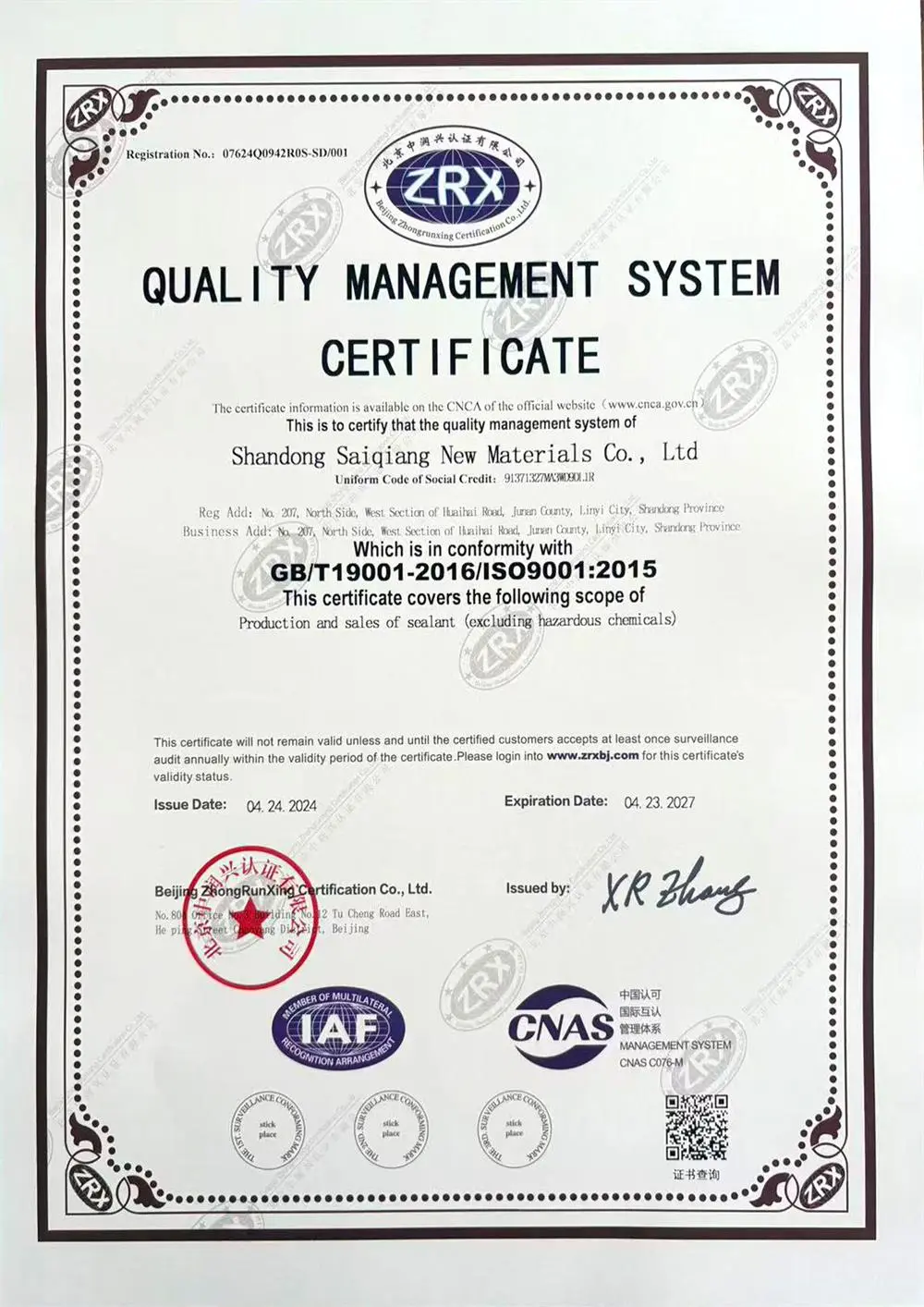
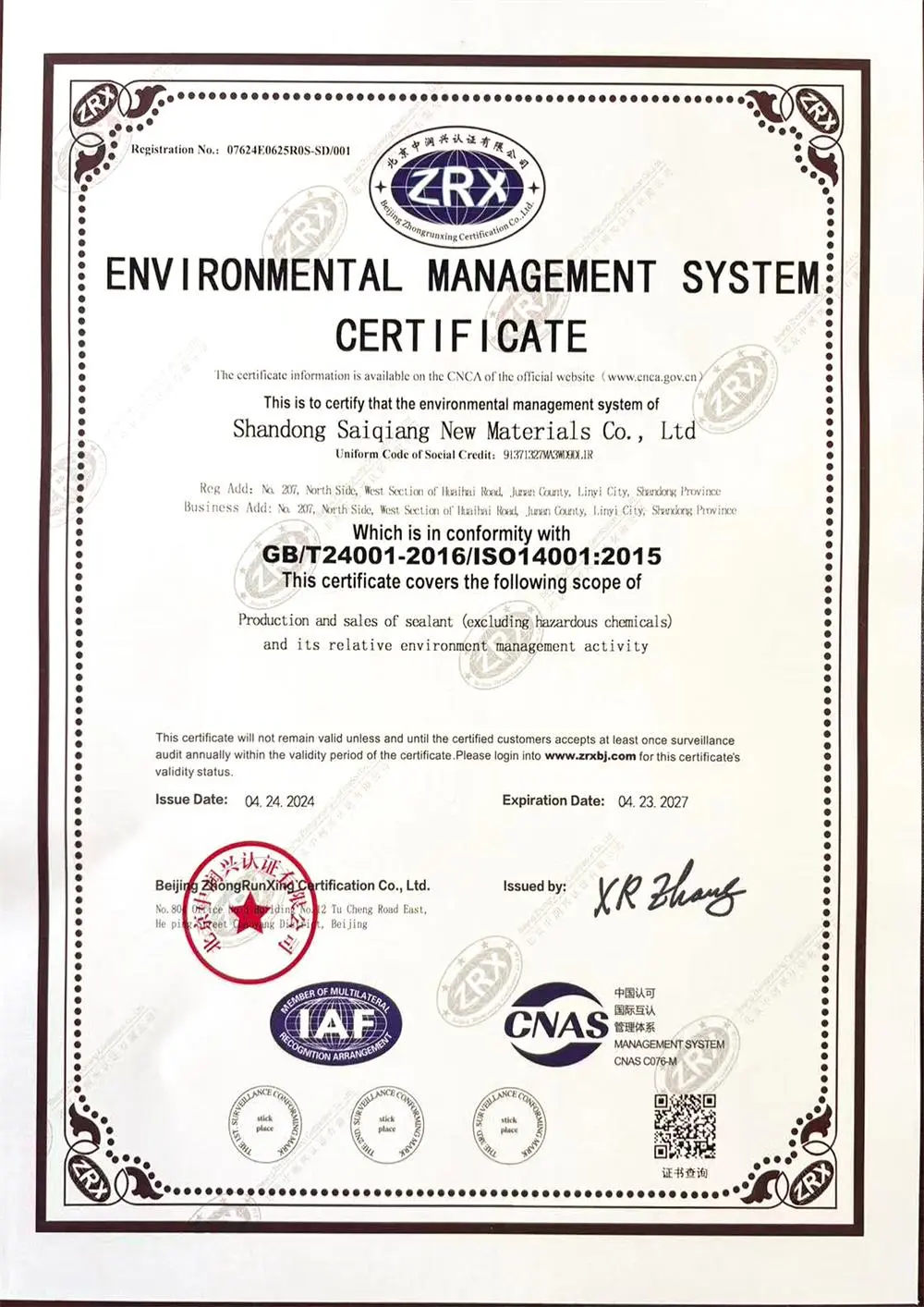
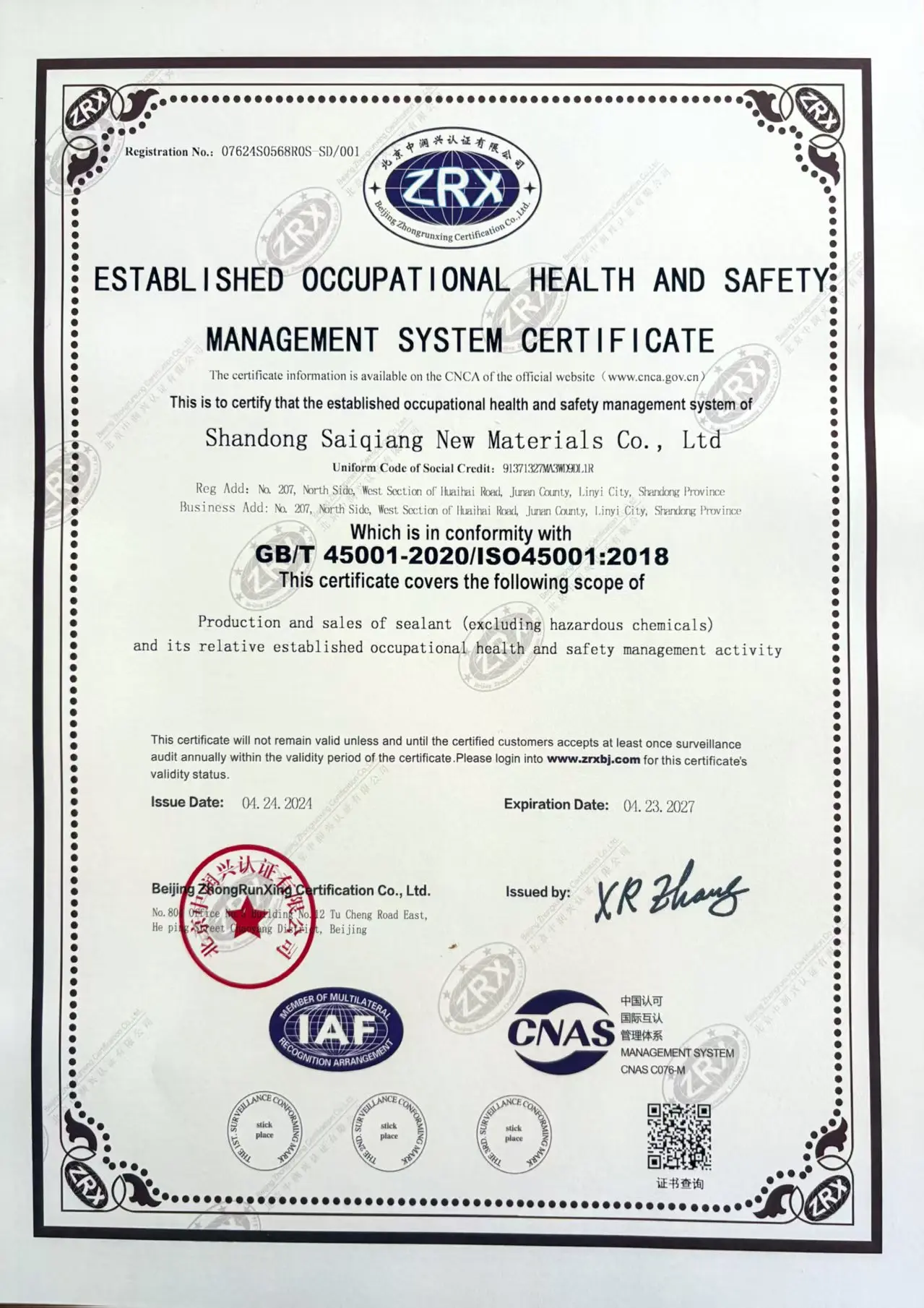
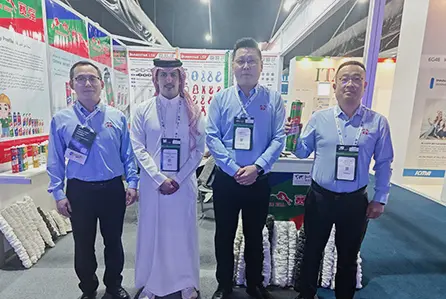
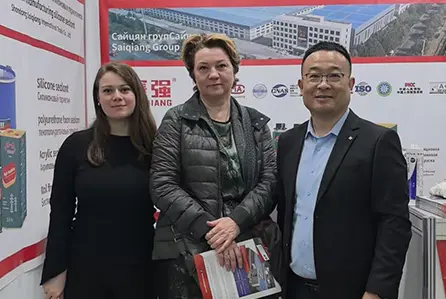
Active engagement across major global construction, building material, and chemical exhibitions.
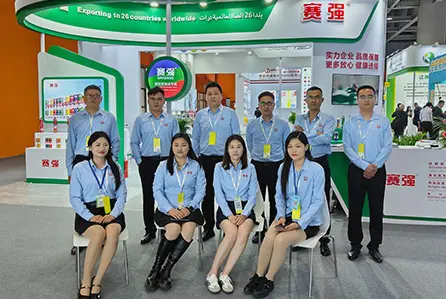
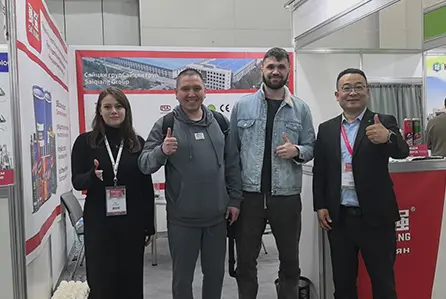
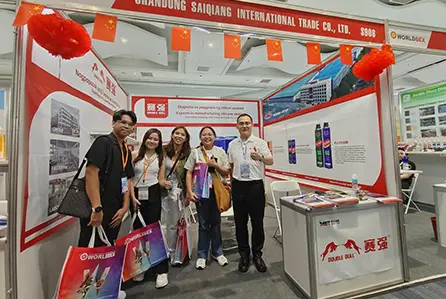
How modern chemical standards are shaping the future of global architectural sealant development.
Answering the technical concerns of civil engineers, architects, and procurement officers.
Direct-factory pricing, customized packaging, and optimized formulations for residential and commercial projects.
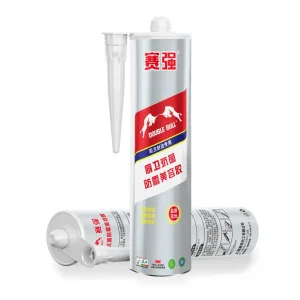
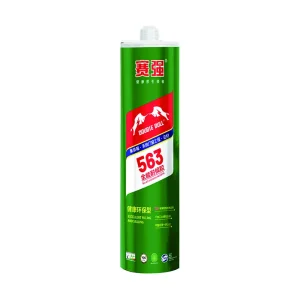
Contact our technical engineering team for bulk pricing, customized formulation adjustments, and container logistics optimization.
Send Inquiry Now Saiqiang