🧪 Product Characteristics
🌡️ Normal Operating: +5°C ~ +35°C
✅ Optimal Operating: +18°C ~ +25°C
❄️ After Curing: -30°C ~ +80°C
💡 Surface Adhesion: Foam adheres to concrete, coatings, walls, wood, and plastic surfaces — but not Teflon or silicone resin. The product does not pose any harm to the human body after solidification.
⚠️ Safety Advice
🔔 Important: Please read all safety instructions carefully before use. Improper use may result in injury or property damage.
- Keep the container out of reach of children.
- It is prohibited to puncture or burn empty cans after use.
- Do not come into contact with open flames or flammable and explosive materials.
- Adequate ventilation is required at the construction site; wear protective gloves and goggles, and smoking is prohibited.
- If ventilation is inadequate, wear respiratory equipment.
- If foam touches eyes or skin, wash immediately with soap and water. If unwell, seek medical attention immediately.
- Store in a dry and cool place (+50°C maximum), avoiding direct sunlight.
- Prohibit storage in damp environments to prevent leakage from iron cans due to rust.
📦 Storage & Expiry
Polyurethane foam sealant shall be stored in its original packaging in a dry and ventilated environment at 27°C or lower. The storage period is 12 months.
🛒 Product Package
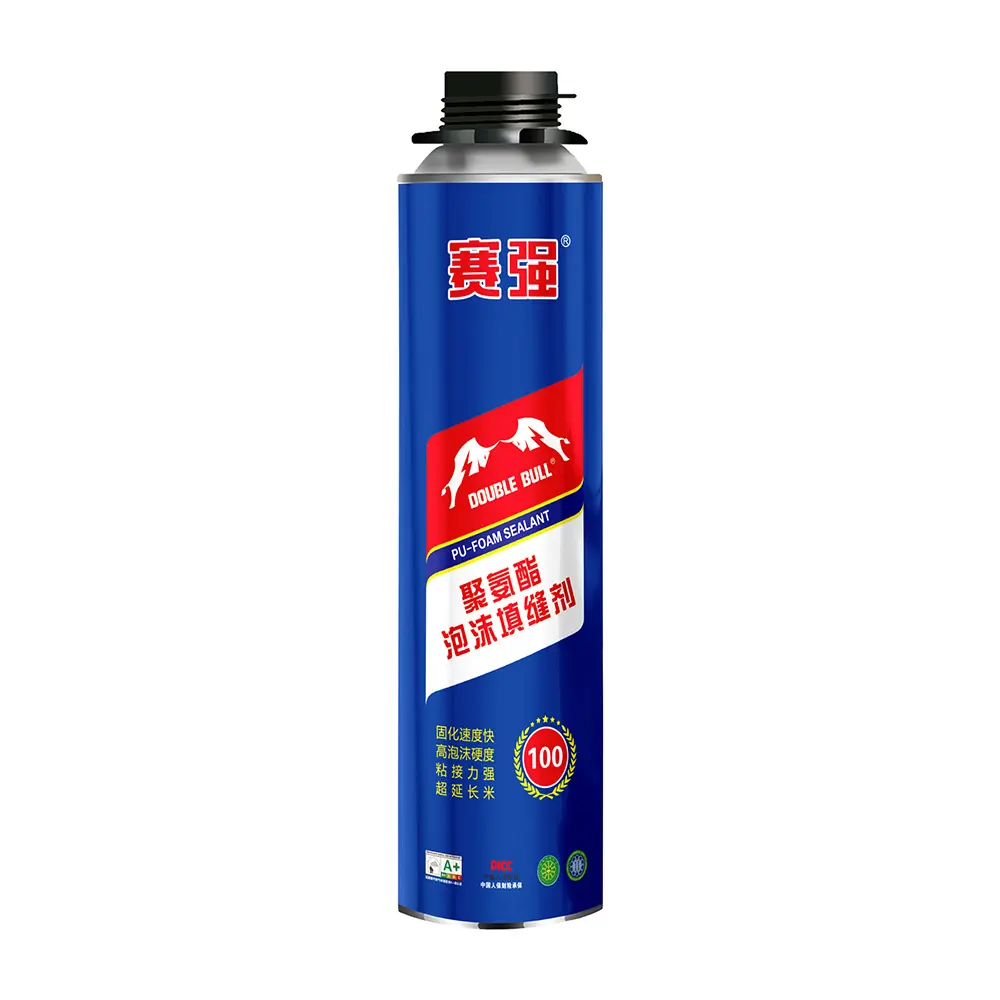
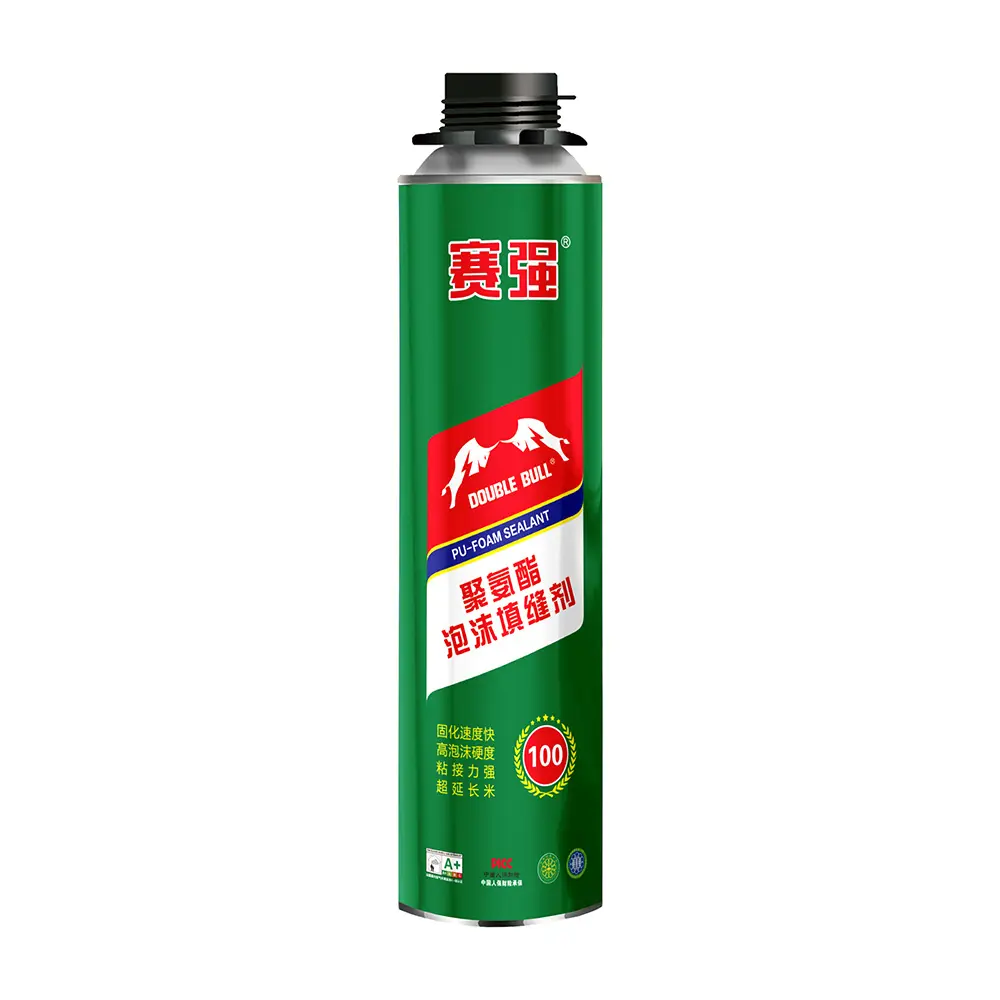
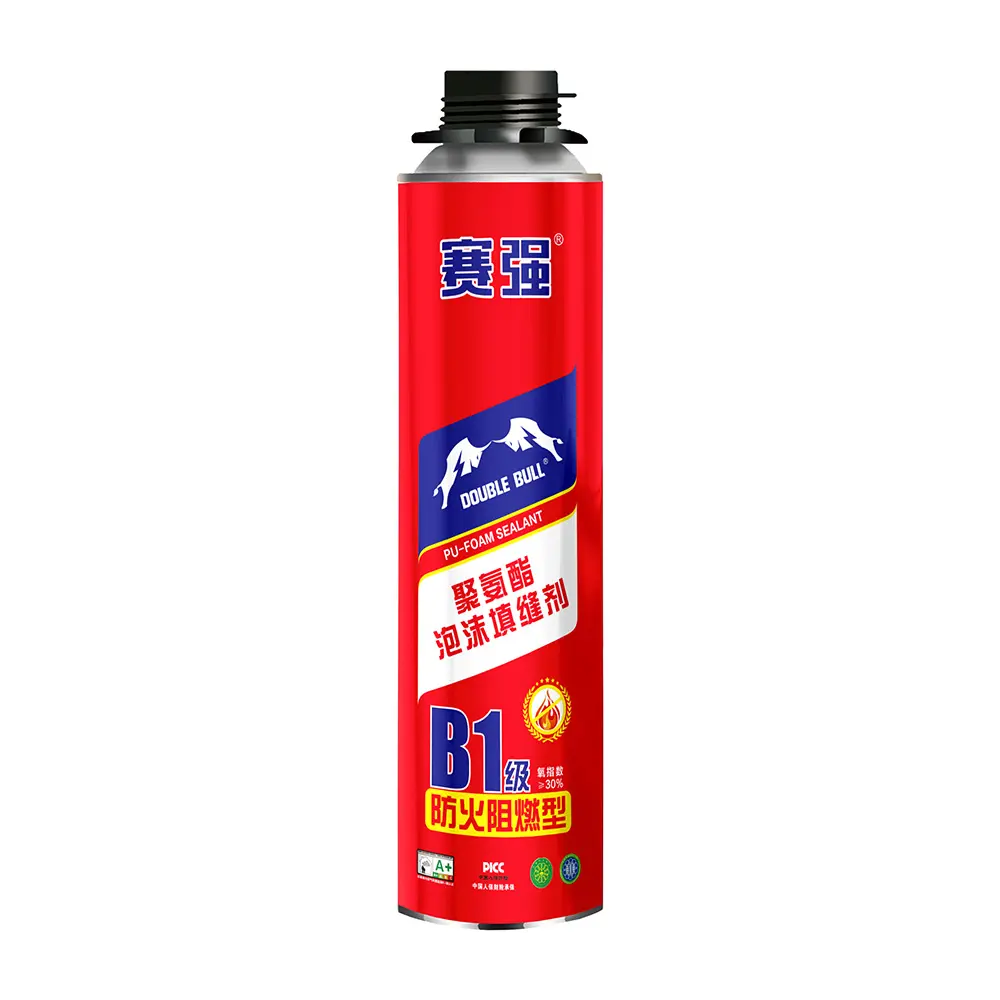
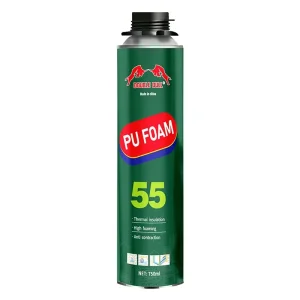
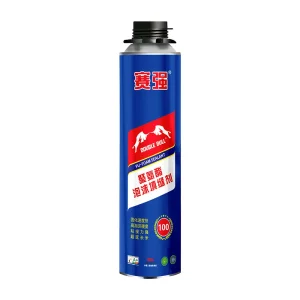
Polyurethane foam caulking agent is supplied to customers in 750 ml can packaging.
🏗️ Application Scenarios
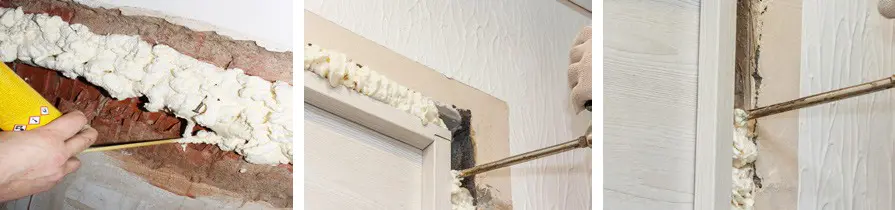
Suitable for fixed bonding, filling, and insulation of various doors, windows, and cabinets; sealing, insulation, and heat preservation of various pipelines; edge sealing of walls, roofs, and enclosure panels; fixing, bonding, filling, and insulation throughout the interior.
❓ Frequently Asked Questions
Q What is the normal operating temperature range for the foam sealant?
The normal operating temperature of the material tank is +5°C to +35°C. The optimal operating temperature for best results is between +18°C and +25°C.
Q What temperature range can the cured foam withstand?
After curing, the foam can withstand temperatures ranging from -30°C to +80°C, making it suitable for a variety of environmental conditions.
Q What surfaces does the polyurethane foam bond to?
The foam adheres well to concrete, coatings, walls, wood, and plastic surfaces. It does not bond with Teflon or silicone resin surfaces.
Q How should the product be stored and what is its shelf life?
The sealant should be stored in its original packaging in a dry, ventilated environment at 27°C or below. Avoid direct sunlight and damp environments. The shelf life is 12 months.
Q What safety precautions should be followed during application?
Work in a well-ventilated area, wear protective gloves and goggles, and avoid smoking. Keep containers away from open flames and out of reach of children.
Q What are the main application scenarios for this foam sealant?
It is ideal for bonding and insulating doors, windows, and cabinets; sealing pipelines; edge sealing of walls and roofs; and general interior gap-filling applications.
 Saiqiang