 Saiqiang
1 / 1
Maintains integrity and performance even in extreme conditions, where traditional materials may fail — giving engineers and manufacturers complete peace of mind.
Minimizes energy losses, making it ideal for energy-saving applications across construction, automotive, and aerospace industries to reduce operating costs.
Efficiently transfers heat for rapid thermal management — especially beneficial in electronic and mechanical devices where overheating can cause device failure.
Ensures longevity and reliability in harsh environments including chemical processing, marine applications, and areas exposed to corrosive substances.
Maintains performance for a long time under various environmental conditions, resulting in lower maintenance costs and a longer product service life.
Adapts to a variety of shapes and sizes, making it a versatile choice for a wide range of applications across multiple industries.
Suitable for a wide range of demanding applications in high temperature and high pressure environments:

Clean the substrate thoroughly to remove oil stains and oxide layers. Apply sandblasting if necessary to ensure optimal surface adhesion.
Apply the coating via spraying, brushing, or dipping. Recommended coating thickness: 50–200 μm for best performance results.
Allow curing at room temperature for 24 hours. Check coating integrity after curing, and apply a second coating if necessary to ensure full coverage.
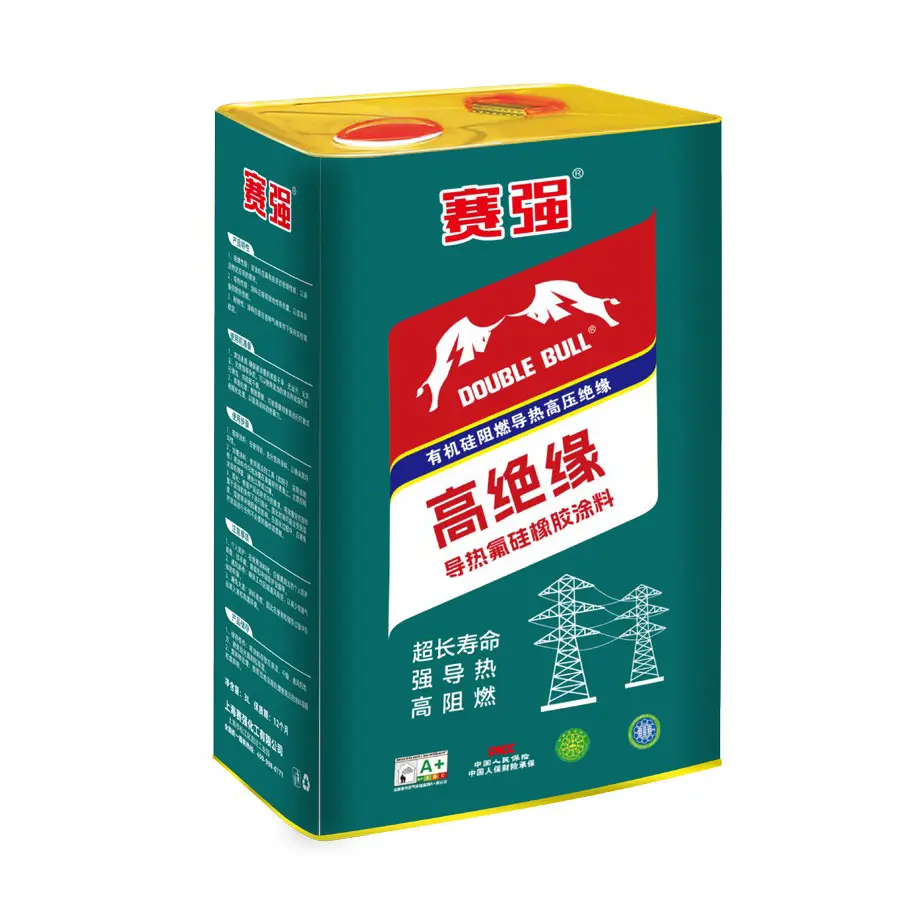
Our thermal insulation composites are engineered for extreme high-temperature environments, maintaining their structural integrity and performance where traditional materials would typically fail. They are suitable for high temperature and high pressure applications.
These materials are ideal for electronics (heat dissipation), automotive (motor winding and battery management), aerospace, construction, chemical processing, and marine applications.
The coating can be applied via spraying, brushing, or dipping. The recommended thickness is between 50 and 200 μm to ensure optimal insulation and thermal performance.
The coating requires room temperature curing for 24 hours. Once cured, inspect the integrity and apply a second coat if any thin areas are detected.
Yes, corrosion resistance is a core feature. They perform reliably in environments involving chemical processing, marine exposure, and contact with corrosive substances.
By providing high insulation resistance, these composites significantly minimize energy losses, helping industries lower operating costs while improving overall system performance.