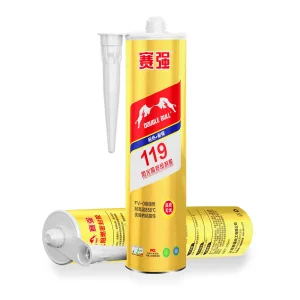
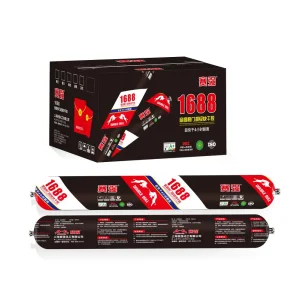
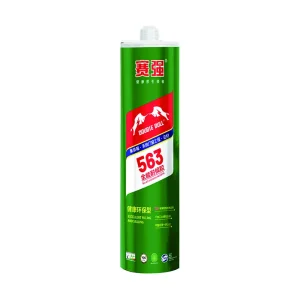
In modern automotive assembly and architectural structural glazing, the role of premium windshield adhesives has transitioned from simple weather stripping to critical safety systems. Windshield silicone and advanced polyurethane-based elastomeric sealants are vital components that must endure dynamic mechanical stress, ultraviolet radiation, severe temperature fluctuations, and chemical exposure, all while maintaining perfect structural cohesion.
As the epicenter of the global chemical supply chain, China hosts advanced manufacturing hubs that lead in synthesizing, packaging, and exporting top-tier bonding solutions. Procurement directors and industrial distributors worldwide now view Chinese production lines not merely as cost-saving operations, but as premium engineering partners capable of delivering custom curing kinetics, compliance with strict environmental mandates (such as REACH and VOC emissions limits), and high-output consistency.
Understanding the difference between structural silicones, weatherproofing sealants, and polyurethane windshield adhesives is key to optimizing supply chains. By establishing direct relationships with verified Chinese manufacturing facilities, buyers can secure customized formulas tailored to local climate conditions and application requirements.
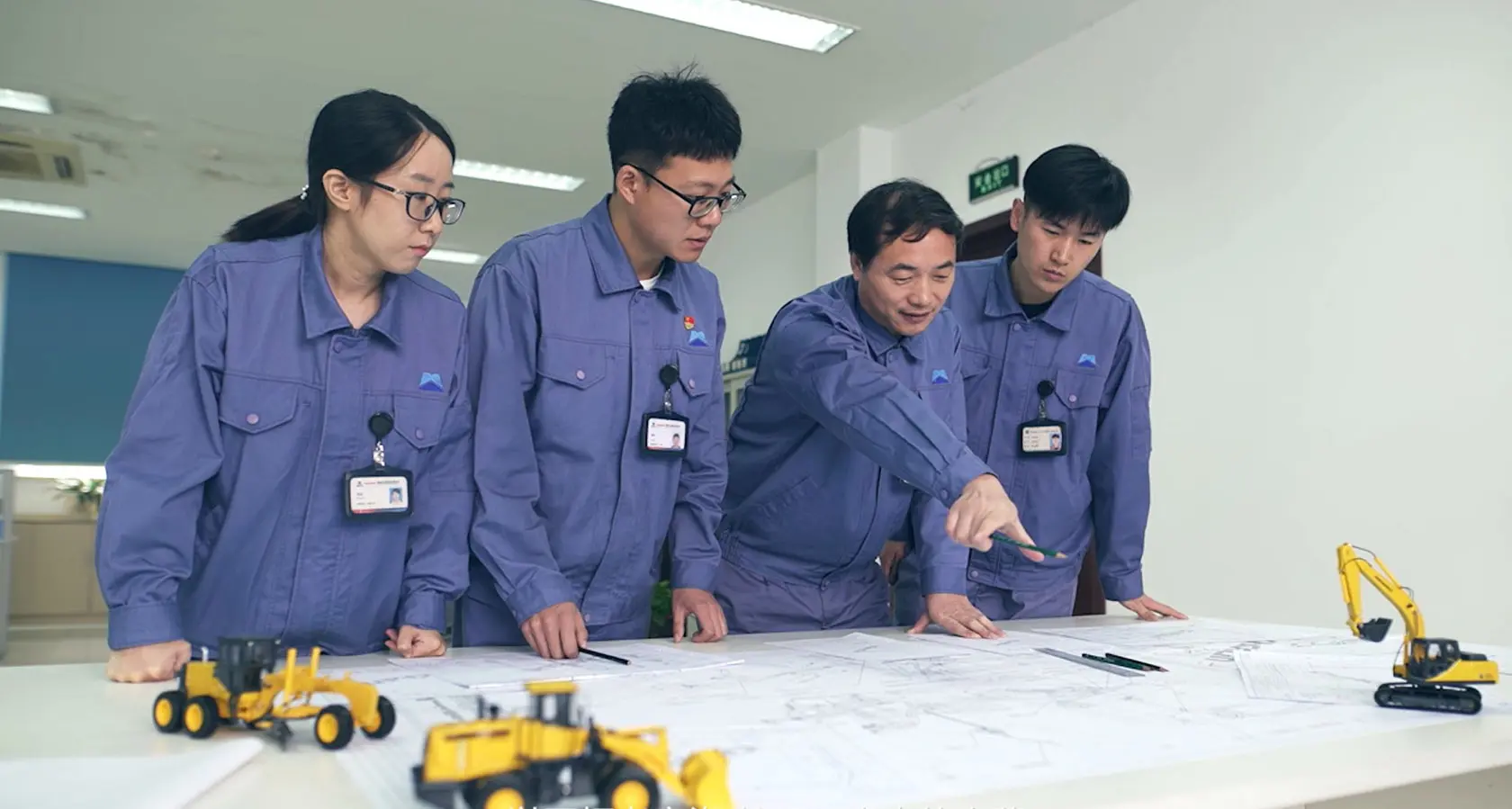
Headquartered in Junan County, Linyi City, Shandong Province, with our primary manufacturing powerhouse, Shanghai Saiqiang Chemical Co., Ltd. (founded in 2005), operating in the Sijing Industrial Park, Songjiang District, Shanghai, we represent a leading tier of chemical synthesis in Asia. Spanning over 100 acres, our state-of-the-art facilities produce high-performance structural adhesives and sealants. Our plant features 26 automated filling lines supported by raw materials silos, specialized packaging warehouses, and finished goods logistics complexes.
With an annual output exceeding 50,000 tons, Saiqiang is a prominent OEM/ODM supply chain partner in China. We serve global clients in construction, automotive replacement glass (AGR), and manufacturing industries across 62 countries. We have established localized technical support structures to facilitate rapid testing, compliance certification, and volume delivery.
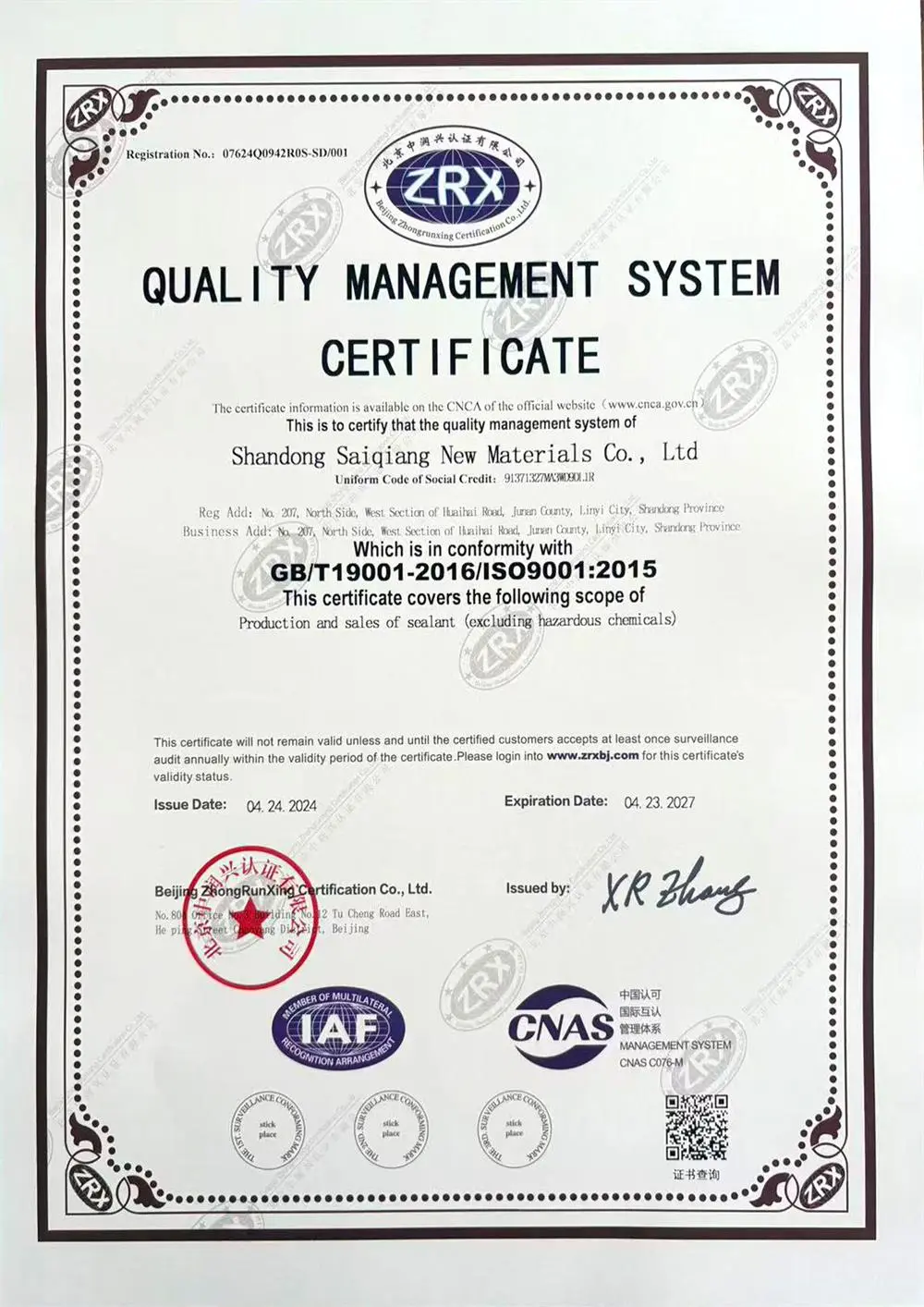
Total Quality Management (TQM) protocols govern every step of our process—from incoming monomer inspection to final cartridge vacuum-sealing. This ensures consistent viscosity, extrusion rates, and shelf stability.
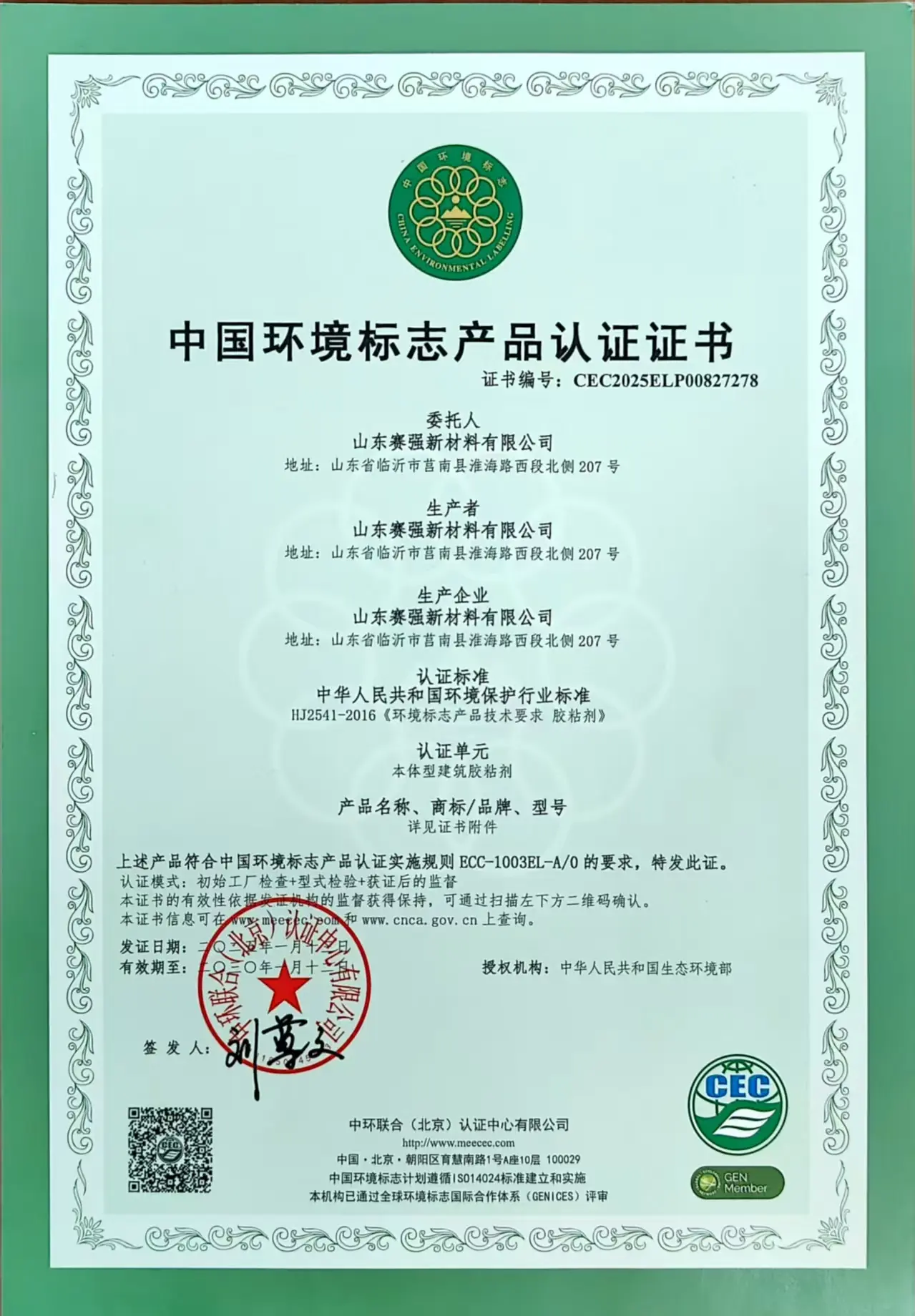
We hold China's Ten-Ring Environmental Certification and France's A+ Indoor Air Safety standards. This guarantees low VOC emissions, protecting workers during application and ensuring end-user safety.
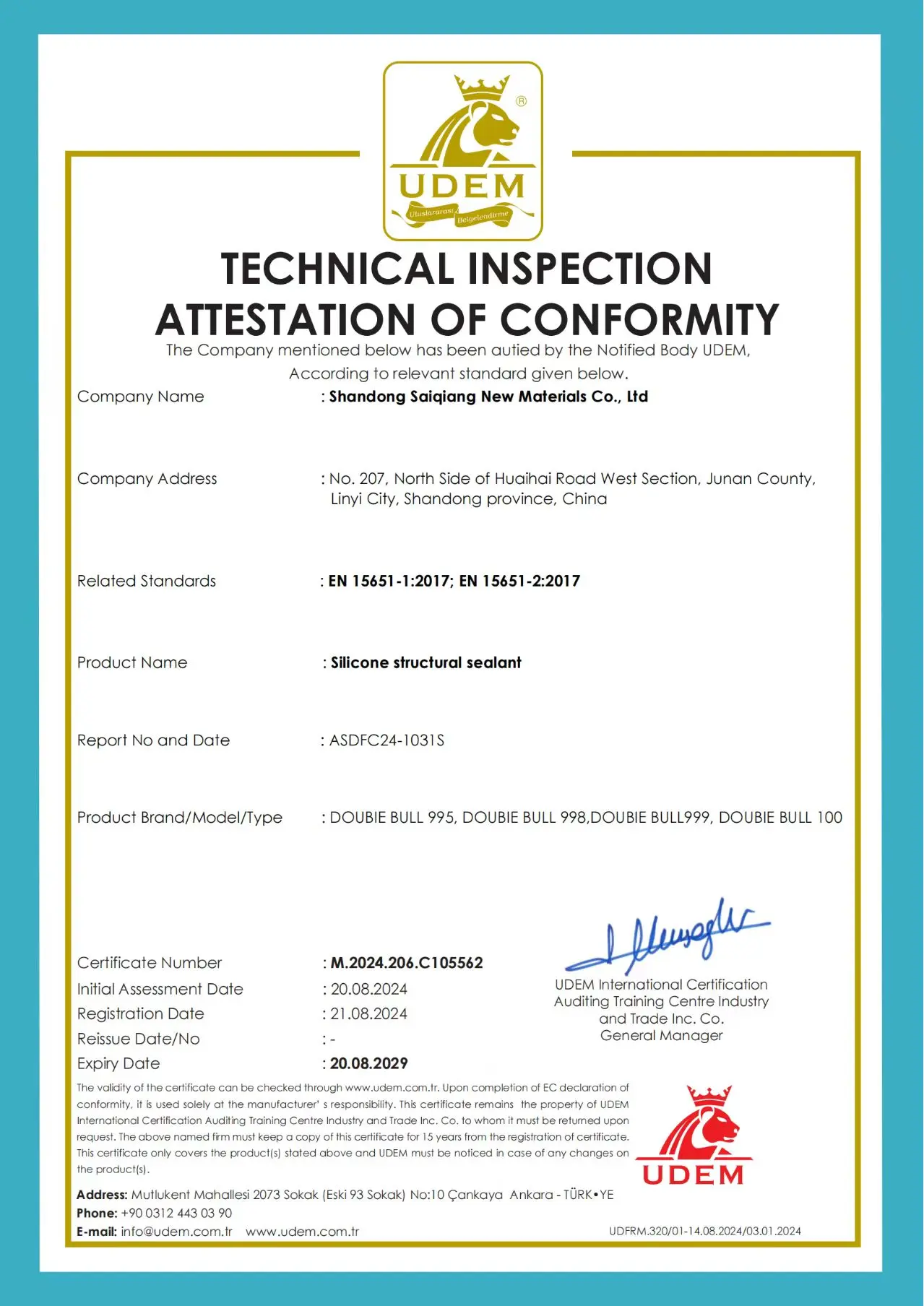
Fully compliant with CE (EN15651), RoHS, and REACH directives. This streamlines regulatory approval in Europe, North America, and Australia, ensuring seamless customs clearance.
Sourcing directly from China offers significant strategic advantages beyond low production costs. The Chinese adhesive ecosystem relies on deep vertical integration, technological adaptation, and efficient cluster shipping. These factors help global enterprises optimize lead times, lower warehousing costs, and ensure consistent chemical quality.
China is home to several of the world's largest organosilicon monomer producers. Because our chemical parks are located near upstream silicon metal refiners and monomer synthesizers, factories like Saiqiang have direct access to raw materials. This proximity reduces pricing volatility, avoids global shipping disruptions, and ensures a steady supply of base polymers for large-scale production.
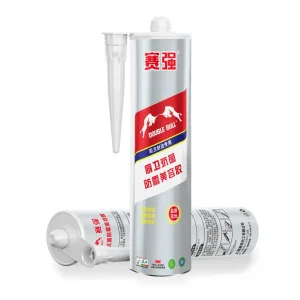
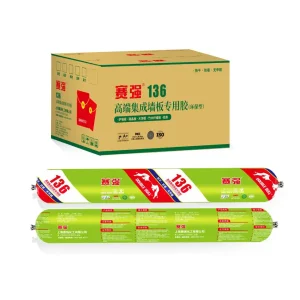
Whether you need standard 310ml cartridges, 400ml/600ml foil sausages, or 200L bulk drums, Chinese packaging ecosystems provide highly protective packaging. Aluminum-foil barrier technology and anti-humidity cartridge plastics prevent premature curing in transit. This preserves a reliable shelf life of 9 to 12 months, even during long ocean freight voyages.
Chinese factories are designed for flexible manufacturing. Through automated multi-color screen printing and packaging lines, we can quickly apply private labels for global brands. Our R&D team can adjust product characteristics like skin-over time, tack-free time, viscosity, and tensile modulus to meet specific market demands.
| Performance Indicator | Standard Silicone Adhesives | Automotive Grade Windshield Silicone | Structural Glazing Silicone |
|---|---|---|---|
| Base Chemical | Polydimethylsiloxane (PDMS) | Polyurethane / Modified Polymer | High-Modulus Alkoxy / Acetoxy |
| Tensile Strength | 1.0 - 1.5 MPa | > 4.5 MPa | > 2.0 MPa |
| Hardness (Shore A) | 20 - 30 | 55 - 65 | 40 - 50 |
| Lap Shear Strength | 0.8 MPa | > 3.5 MPa | > 1.8 MPa |
| Primary Advantage | General Weatherproofing | High Impact Adhesion & Elasticity | UV & Wind-Load Resistance |
Selecting the right adhesive for windshield installations requires balancing mechanical properties and chemical compatibility. Unlike standard construction joints, vehicle windshields serve as structural components. In a rollover accident, the passenger airbag deploys against the windshield, meaning the adhesive must withstand immense upward and outward pressure. Consequently, these products must meet strict Federal Motor Vehicle Safety Standards (FMVSS 212/216).
To ensure structural integrity and prevent leaks or glass detachment, several chemical factors must be managed:
To serve our international clientele effectively, we adapt our formulations and packaging to different target markets:
Formulated for mobile glass replacement services. These fast-curing sealants allow for safe drive-away times (SDAT) in under 60 minutes, even in cold or humid climates.
Designed for large-format, heavy-duty glass configurations. These adhesives offer high green-strength and open times, permitting the adjustments needed for large windows.
Used to seal glass-to-metal assemblies in high-performance curtain walls. These products provide excellent UV resistance and weatherproofing, maintaining elasticity over decades of exposure.
The global adhesive market is evolving toward higher sustainability, worker safety, and compatibility with composite substrates. Our state-of-the-art research laboratories prioritize development in three key areas:
Developing bio-based raw materials and solvent-free chemistry to help clients meet global carbon-reduction goals while maintaining high tensile performance.
Advanced silicone backbones shield our sealants from UV radiation. This chemistry prevents the chalking, cracking, and cracking common in lower-tier products.
As smart glass applications grow, our formulations undergo compatibility testing to ensure they do not cause delamination or fogging in electrochromic glass panes.
Our operation is guided by a core commitment to customer satisfaction, ethical business practices, and continuous engineering improvement.

We build long-term relationships with global distributors and manufacturers based on transparent raw-material disclosures and strict ethical practices.

We continuously invest in R&D to improve adhesive chemistry, ensuring our products perform reliably in changing weather and environments.

From testing raw materials to final packaging validation, we focus on delivering consistent, high-performance bonding solutions.

We offer customized chemistry and flexible private-label services, adjusting our production to match our buyers' schedules.

Our engineering, production, and shipping logistics teams work together to ensure a smooth, end-to-end ordering process.
Our products meet strict European and international standards, ensuring smooth customs clearance and regulatory compliance.
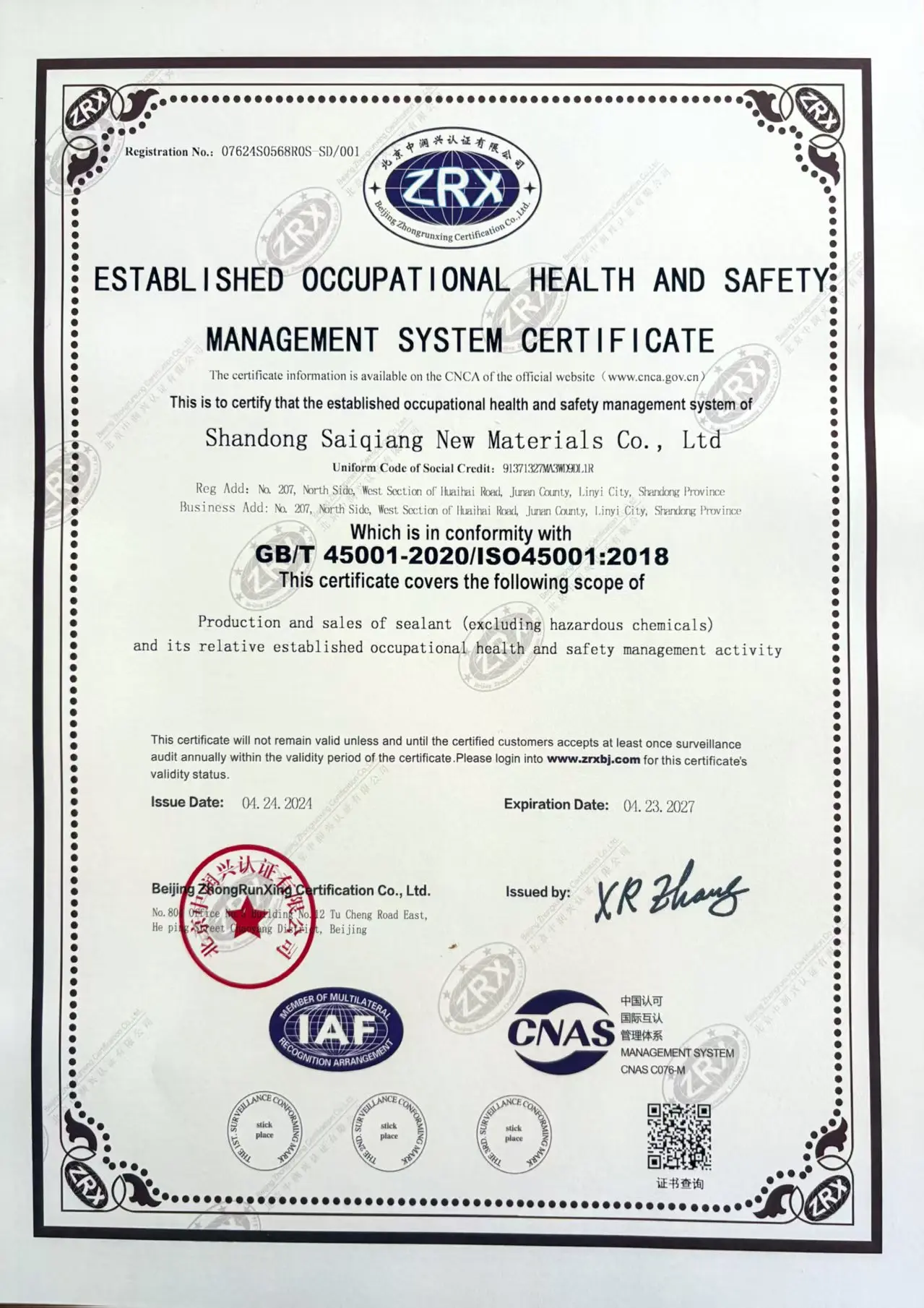
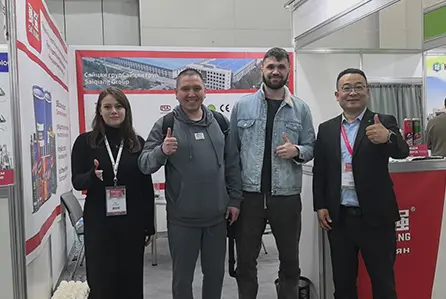
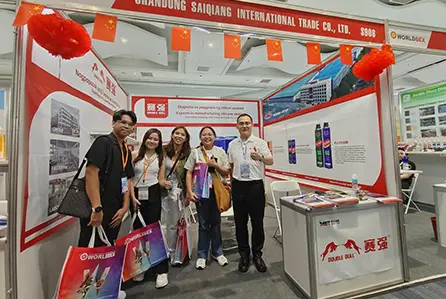
We engage with global industry experts at international trade fairs to exchange insights and showcase our latest product innovations.
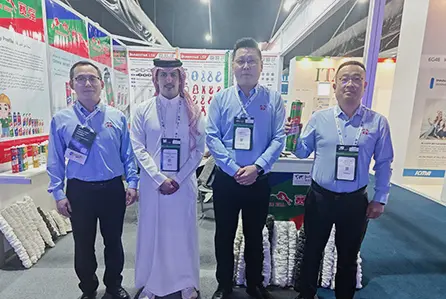
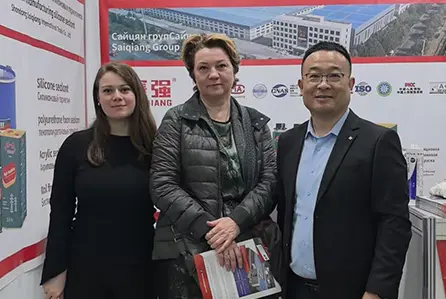
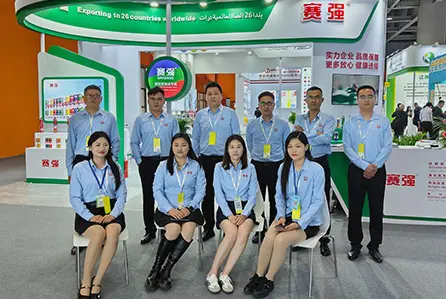
By partnering with Saiqiang (Topfeelpack structural bonding group), you gain access to an integrated chemical supply chain designed to support global businesses. We offer reliable support from initial formulation development to international shipping logistics.
Our collaborative laboratory facilities can customize product formulations, helping you design adhesives that meet specific local performance or regulatory demands.
We perform diagnostic tests on your glass, paint coatings, and metal substrates to identify the best adhesive chemistry for your application, preventing adhesion failure.
We provide chemical samples of our formulations for testing on your production lines, helping you verify quality and compatibility before confirming an order.
Polyurethane sealants offer high mechanical strength, excellent impact energy absorption, and high initial green strength, making them the standard choice for automotive OEM and glass replacement services. Structural silicones, on the other hand, provide superior UV stability, temperature resistance, and durability under environmental exposure, making them the preferred choice for architectural facades and structural glass installations.
Our Shanghai facility operates automated planetary mixing lines that combine liquid polymers and raw materials under a vacuum of -0.098 MPa. This process eliminates micro-air bubbles and moisture, preventing phase separation during transport and ensuring a shelf life of up to 12 months.
Yes. We can customize the catalytic system to adjust curing kinetics. For tropical climates, we can slow down the skin-over time to allow sufficient application time. For cold climates, we can accelerate the formula to ensure the adhesive cures quickly enough for safe handling.
Yes, our formulas comply with REACH, RoHS, and CE (EN15651) standards. We verify our chemical mixtures through third-party laboratories to confirm that all exports to EU member states meet current chemical safety regulations.
The standard minimum order quantity for custom private labeling is 10,000 units. This allows us to optimize automated printing runs. We also support smaller trial shipments under our standard Saiqiang brand packaging.
We pack cartridges and sausage foils into heavy-duty corrugated cartons with moisture-barrier liners. Cartons are then secured on plastic pallets and wrapped in stretch film to protect them from moisture and temperature changes during maritime transit.
 Saiqiang