Ensuring Safety and Performance in Every Application
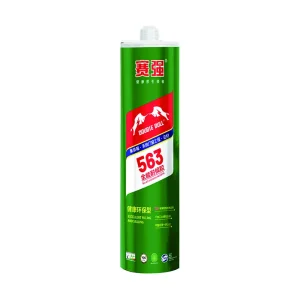
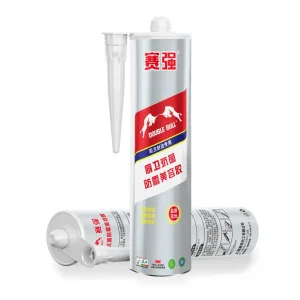
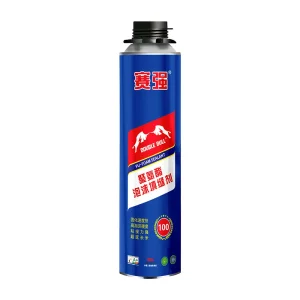
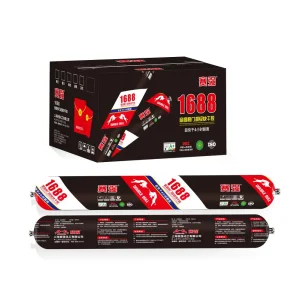
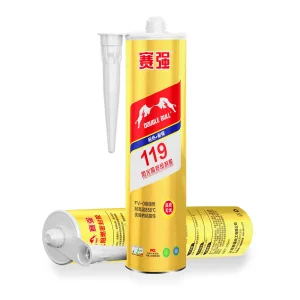
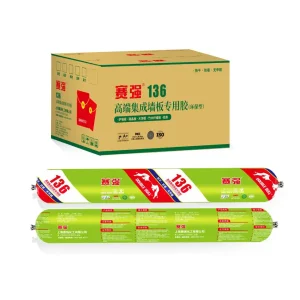
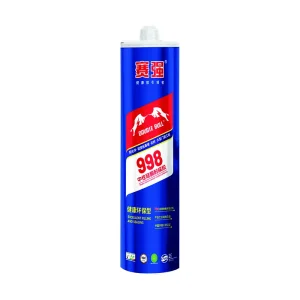
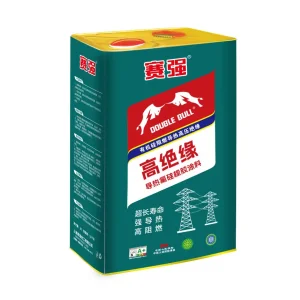
As a leading wholesale polyurethane manufacturer, the question of toxicity is central to our R&D. Polyurethane (PU) is a versatile polymer used extensively in insulation, adhesives, and sealants. However, its chemical composition—specifically the use of isocyanates—often triggers safety concerns among global procurement officers and environmental regulators.
The core of the "Is Polyurethane Toxic?" debate lies in its state: Uncured vs. Cured. In its fully cured form, high-quality polyurethane is chemically inert and generally considered safe for consumer and industrial environments. The primary risk occurs during the manufacturing and application phases, where exposure to unreacted isocyanates (like MDI or TDI) can cause respiratory sensitization.
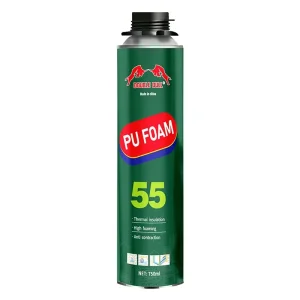
Once the polymerization process is complete, the molecular structure of Saiqiang PU foam is stable, emitting negligible VOCs, meeting the stringent French A+ Indoor Air Safety Certification.
Modern factories are shifting toward MDI (Methylene diphenyl diisocyanate) which has lower vapor pressure and toxicity profiles compared to older TDI-based systems, enhancing worker safety.
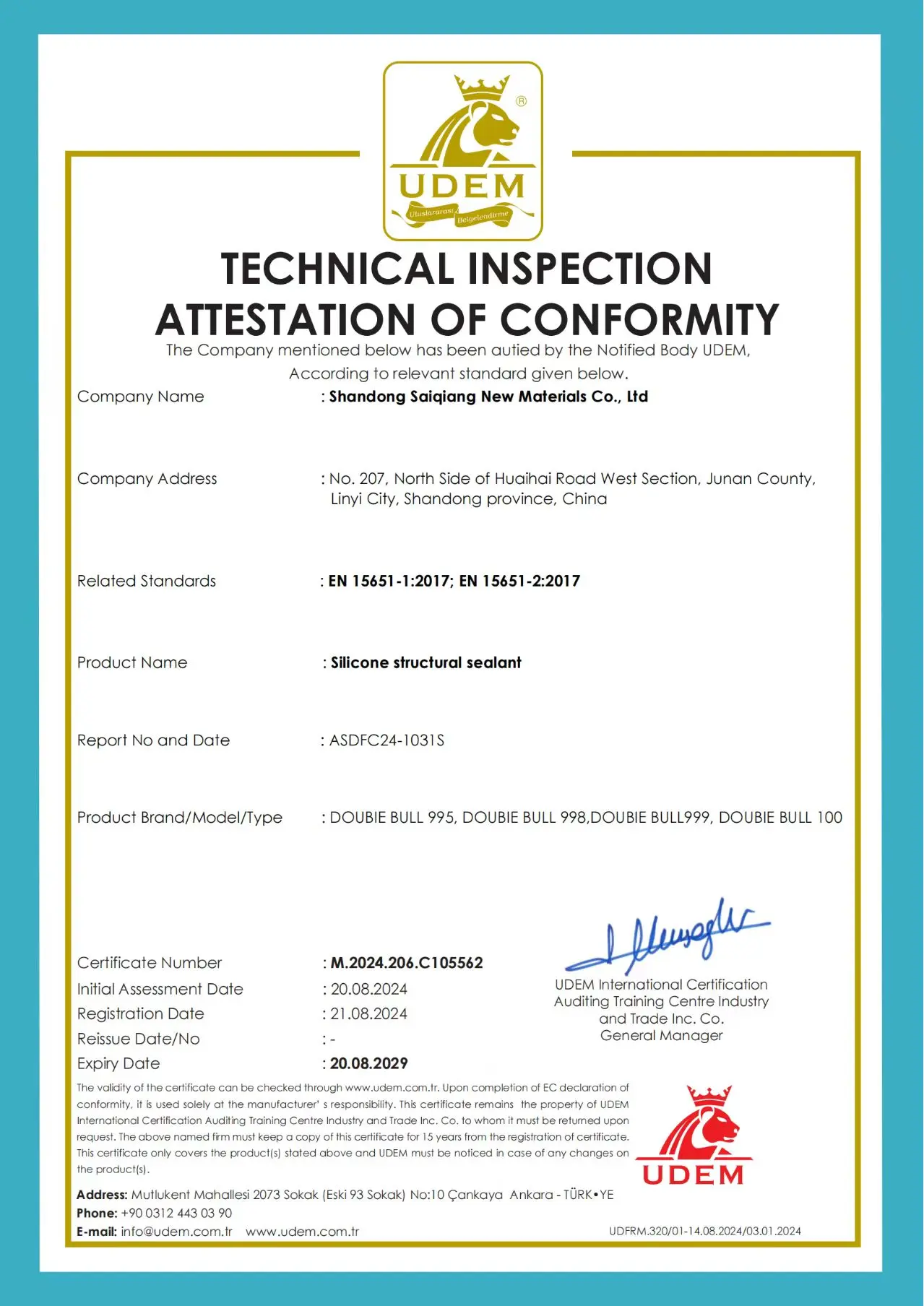
Our formulations adhere to the EU's REACH and ROHS standards, ensuring that harmful substances like lead, mercury, and certain phthalates are strictly excluded from our supply chain.
Global demand for PU-based adhesives is surging, driven by the green building movement and the need for high-efficiency thermal insulation. From North American residential retrofits to Southeast Asian infrastructure projects, the requirement is clear: High performance with low environmental impact.
ISO 9001:2015 certification ensures precise control throughout the entire process, from raw material procurement to final product dispatch.
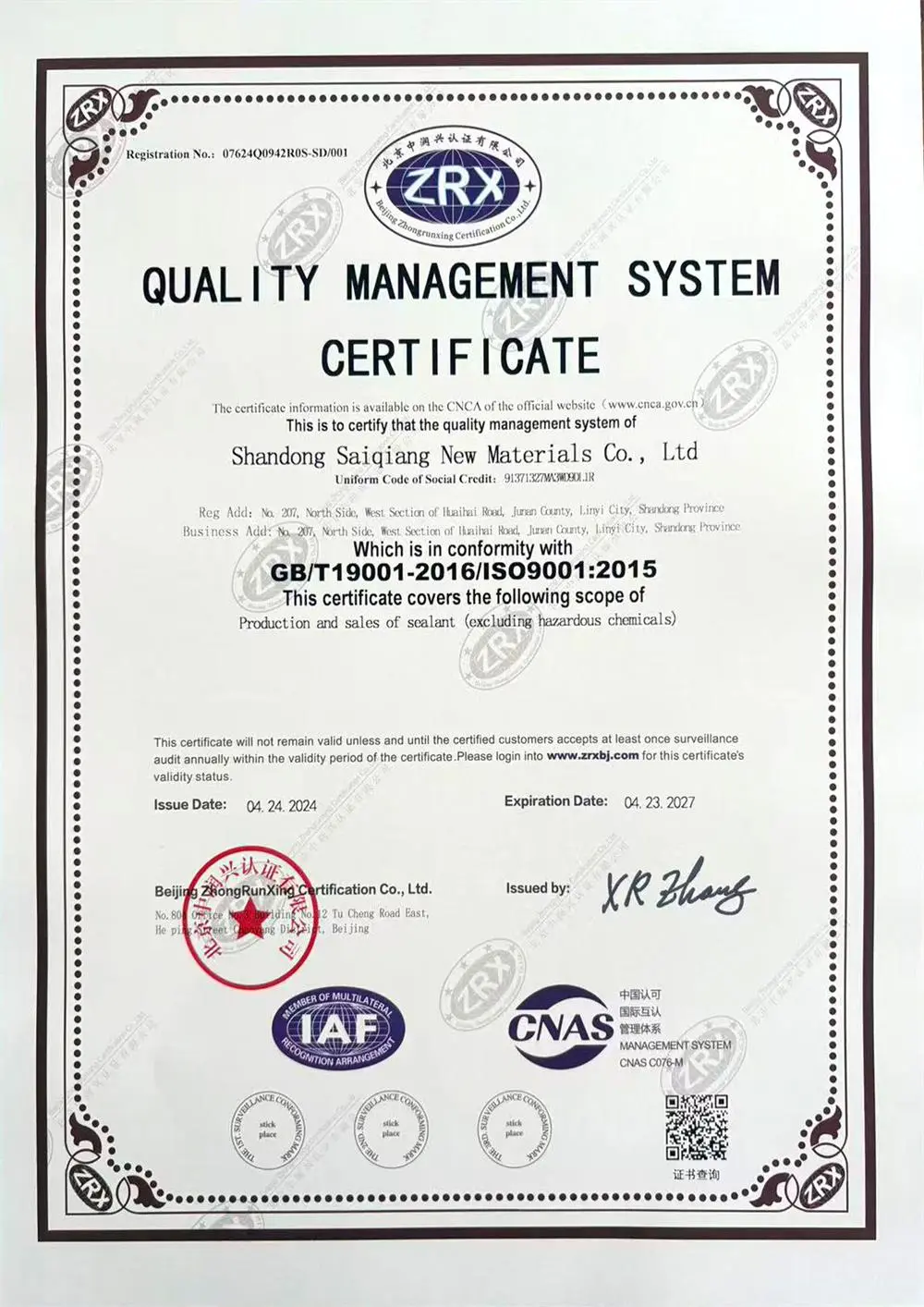
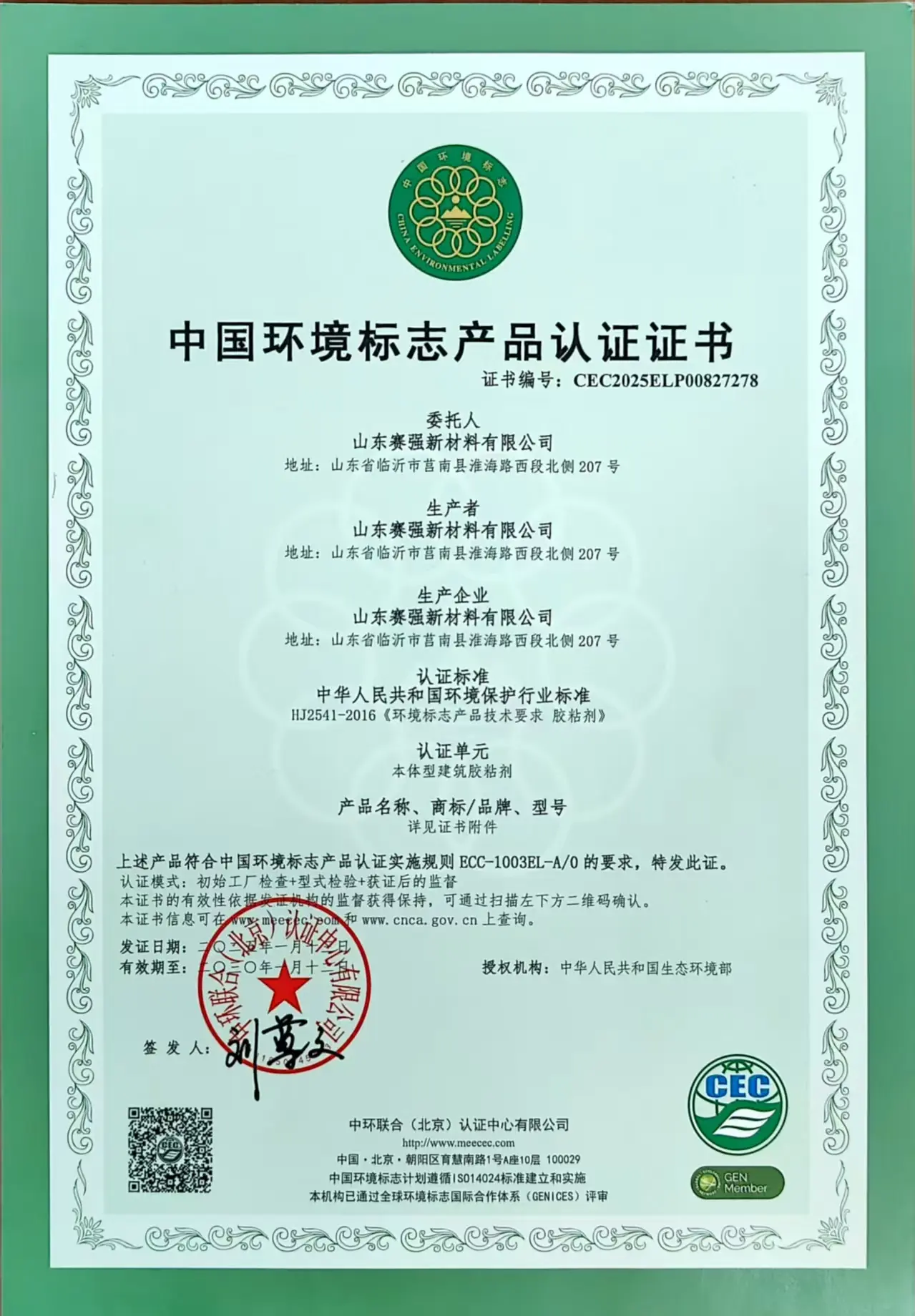
China's Ten-Ring Certification and France's A+ ensure our products contribute to a healthy indoor environment without toxic off-gassing.
CE, ROHS and REACH certifications fully meet the market access requirements for high-stakes European construction projects.
The next decade of polyurethane manufacturing will be defined by "Circular Chemistry." Our R&D laboratory is currently focused on three pillars:
Replacing petroleum-derived polyols with soy or castor bean alternatives to reduce the carbon footprint of wholesale PU production.
Developing formulations that allow PU foam to be more easily separated and recycled at the end of a building's lifecycle.
Utilizing machine learning to monitor reaction kinetics in real-time, ensuring 100% consistency in every batch of sealant.
Yes, once fully cured, PU foam is chemically stable and non-toxic. Our products are certified with France A+ and China Ten-Ring standards, ensuring they meet the world's strictest indoor air quality requirements.
Isocyanates are sensitizers. During application, proper ventilation and personal protective equipment (PPE) are required to prevent respiratory irritation. Saiqiang provides detailed MSDS sheets for all wholesale partners.
We operate 26 automated filling lines and an ISO-certified laboratory that tests every batch for expansion rate, curing speed, and tensile strength before it leaves our 100-acre facility.
Absolutely. We specialize in tailoring formulas to meet local building codes, such as ASTM in the US or EN standards in Europe, ensuring our partners always have compliant products.
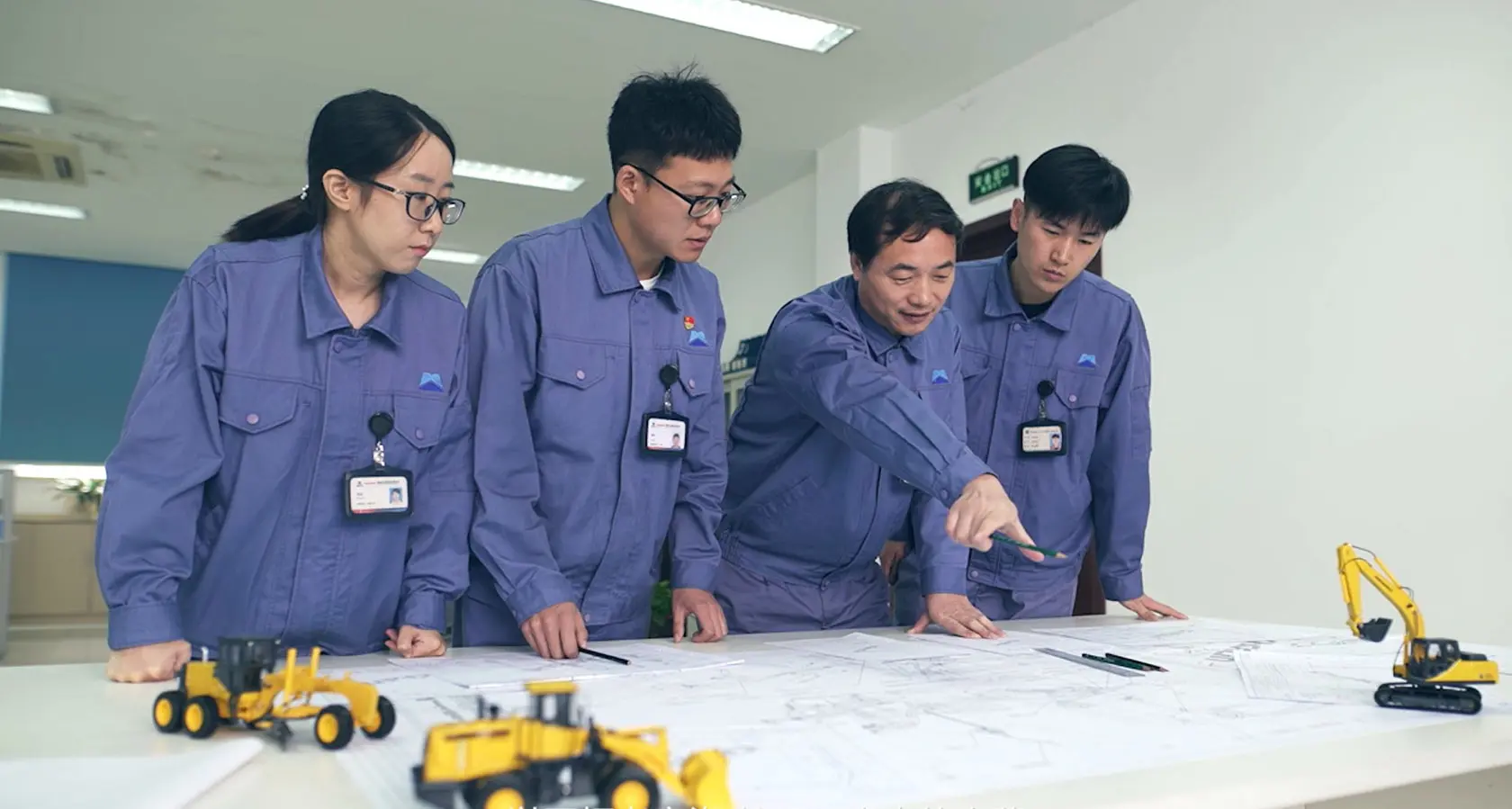
Established in 2005, Saiqiang is a titan in the Asian adhesive industry. Based in the Sijing Industrial Park, Shanghai, our facility spans over 100 acres. With an annual output exceeding 50,000 tons, we provide high-performance silicone adhesives, structural adhesives, and polyurethane solutions to the most demanding industrial sectors.
Our commitment is simple: "Quality First, Customer Oriented." We drive development through technological innovation, ensuring that every drop of Saiqiang adhesive represents the pinnacle of safety and bonding technology.
 Saiqiang